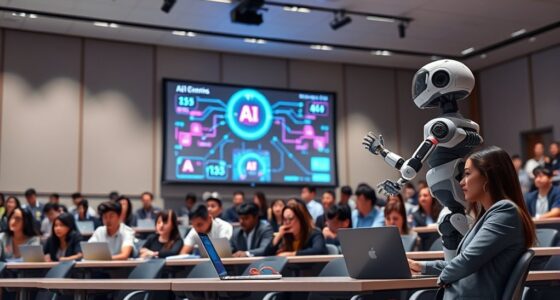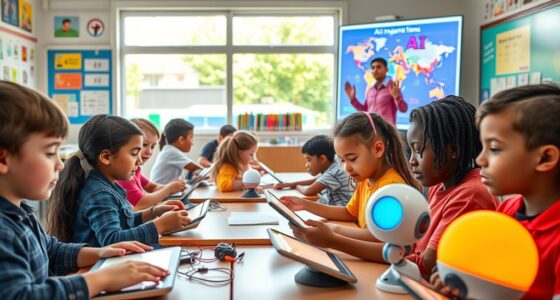

AI is transforming virtual classrooms by making online and remote learning more personalized, engaging, and efficient. It adapts content to your learning style, provides real-time feedback, and uses immersive tech like AR/VR to create interactive experiences. AI tools foster better participation and learning outcomes, while also helping educators manage diverse needs. As AI continues to evolve in education, you’ll discover even more innovative ways to enhance virtual learning environments if you keep exploring.
Key Takeaways
- AI-powered virtual classrooms enhance engagement through interactive tools like simulations, discussion prompts, and personalized learning pathways.
- Real-time analytics provide immediate feedback to educators, improving instruction and supporting student progress.
- Virtual environments integrate AI-driven accessibility features, making learning inclusive for diverse and underserved populations.
- AI virtual assistants and immersive AR/VR technologies create adaptive, immersive online learning experiences.
- Data analysis enables personalized interventions, fostering better student outcomes and emotional well-being in remote settings.
The Rapid Rise of AI Adoption in Education Sectors

The adoption of AI in education has accelerated rapidly in recent years, transforming how institutions deliver and enhance learning. You’ll notice that the global AI education market hit $7.57 billion in 2025, a 46% jump from 2024, and it’s projected to reach $112.30 billion by 2034. Most particularly, 86% of education organizations now use generative AI tools, the highest adoption rate across industries. The Asia-Pacific region leads with a 48% annual growth rate, emphasizing widespread commitment. Schools and universities are leveraging AI for better learning outcomes and cost savings. Student use of generative AI tools increased from 27% in 2023 to 44% in 2025, reflecting growing acceptance and reliance. Additionally, machine learning algorithms are being implemented to personalize educational experiences and improve student engagement. This rapid adoption is also driven by advancements in AI integration, which facilitate more seamless and effective educational tools. Moreover, the integration of AI-powered on-device AI capabilities is enabling real-time language translation and interactive learning environments, making education more accessible globally. Furthermore, a deeper understanding of resources and tools can help educators and institutions optimize AI implementation and maximize benefits. As AI technology continues to evolve, staying informed about these educational innovations is crucial for adapting teaching strategies. Overall, AI’s rapid adoption signals a significant shift in the educational landscape.
Enhancing Pedagogy and Student Engagement Through AI Tools
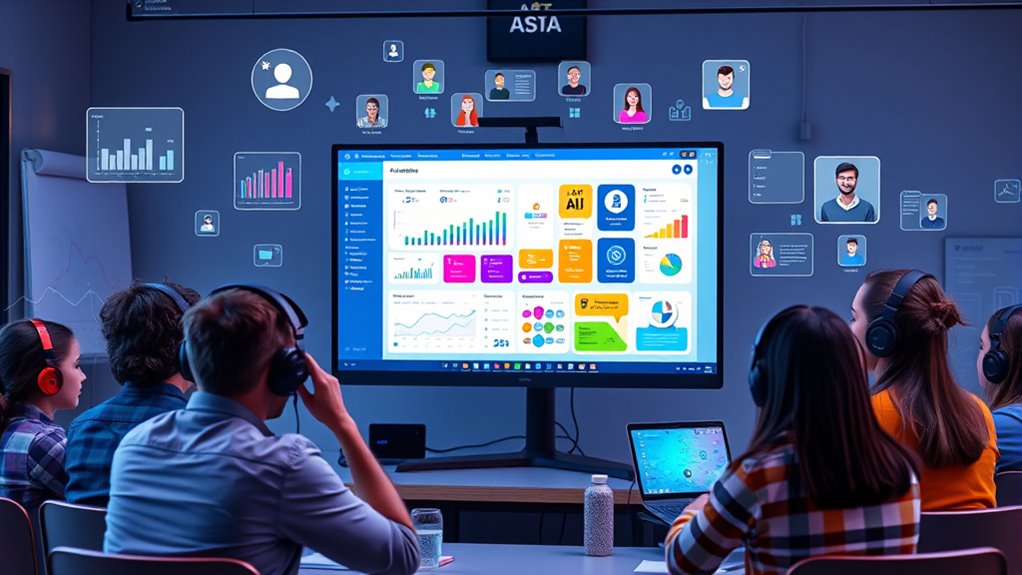
AI tools are transforming pedagogy by making learning more personalized and engaging for students. You can now tailor lessons to individual needs, boosting motivation and understanding. These tools foster active participation, encouraging students to take ownership of their learning journey. They also enable real-time feedback, helping you identify areas where students struggle. To deepen engagement, AI offers:
- Adaptive quizzes that adjust difficulty based on student responses
- Interactive simulations for experiential learning
- AI-driven discussion prompts to spark critical thinking
- Personalized learning pathways aligned with student interests
- Automated progress tracking to motivate achievement
- Incorporating projector technology in digital classrooms can further enhance visual learning experiences. Additionally, integrating AI-driven analytics can provide educators with deeper insights into student performance trends, enabling more targeted instructional strategies. Implementing educational technology effectively can significantly improve overall learning outcomes and foster student engagement. Recognizing the importance of personalized learning experiences can lead to more effective teaching approaches and better student success.
Addressing Challenges: Ethics, Privacy, and Academic Integrity

As educational institutions integrate AI tools into online learning, addressing ethical concerns, privacy risks, and academic integrity becomes increasingly critical. You must guarantee AI use promotes fairness and transparency, avoiding biases that could disadvantage students. Protecting student data is essential; you need clear policies on how AI collects and handles personal information, preventing misuse or breaches. Academic honesty is challenged by AI-generated content, so establishing strict policies and detection methods is crucial to prevent cheating. Educators should teach students responsible AI use, emphasizing integrity and ethical behavior. Balancing innovation with accountability requires ongoing oversight and clear communication. Implementing ethical hacking principles can help identify vulnerabilities in AI systems before they are exploited, ensuring security and trustworthiness. Additionally, fostering a culture of AI literacy among students and staff can help them better understand the capabilities and limitations of these technologies. Promoting digital ethics is vital to guide responsible decision-making and prevent misuse of AI tools. By proactively managing these issues, you create a trustworthy environment where AI enhances learning without compromising ethical standards or student privacy.
Student Perspectives and Changing Learning Behaviors

Have students’ attitudes toward AI tools shifted recently? Absolutely. More students now see AI as a valuable learning aid rather than just a shortcut. You’ll notice that:
- Many students use AI for research, idea generation, and homework help.
- A growing number feel more confident about understanding AI than their instructors.
- Frustration arises when expectations clash with slow faculty adoption.
- Concerns about misuse and unclear policies increase stress.
- Students report improved engagement and retention in AI-supported environments.
- Additionally, awareness of Alaskan heritage sites and their significance can be enhanced through AI-driven exploration, enriching students’ understanding of cultural history.
- Recognizing the importance of mental clarity and health can further support students in adapting to new learning technologies and reducing stress related to academic challenges.
- Developing educational technology literacy can empower students to navigate AI tools responsibly and effectively.
- As AI continues to evolve, understanding anime movies and their cultural impact can provide students with broader perspectives on storytelling and media.
- The intricate workings of dreams and subconscious influences reveal how recurring dreams may reflect unresolved issues or emotional states, which can also be relevant when considering the emotional responses students have to new learning environments.
Future Trends in Virtual Learning and AI Integration
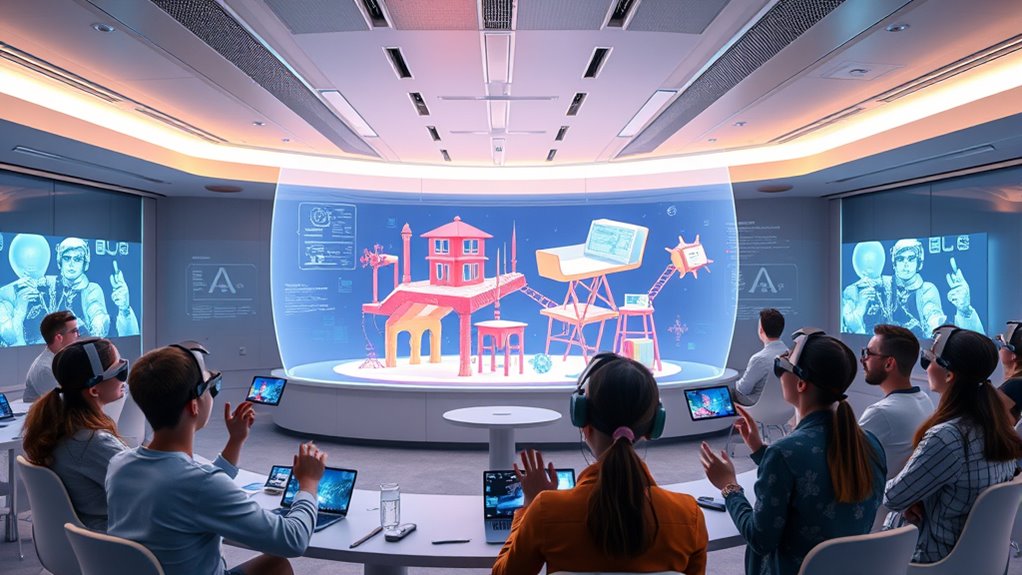
The future of virtual learning will be shaped by increasingly sophisticated AI integration that personalizes education, expands accessibility, and enhances engagement. Expect AI to create adaptive curricula tailored to individual learning styles, making lessons more effective. It will also bridge gaps for underserved populations, offering more inclusive opportunities. AI-powered virtual assistants and immersive technologies like AR/VR will transform student interactions and participation. As AI becomes more integrated, you’ll see:
| Trend | Impact |
|---|---|
| Personalized Learning | Custom pathways boost engagement and mastery |
| Immersive Technologies | AR/VR create realistic, interactive experiences |
| AI-Driven Analytics | Real-time feedback informs teaching and learning |
These advancements will make virtual classrooms more dynamic, accessible, and aligned with students’ unique needs. Additionally, cybersecurity measures will be essential to protect sensitive student data as online education platforms become more integrated and sophisticated. A focus on AI security will ensure that these innovative tools are used safely and responsibly. Moreover, integrating content clusters can help educators organize and deliver interconnected lessons that enhance comprehension and retention. Recognizing the importance of emotional support can further improve student well-being and engagement in virtual environments. As the role of educational data analysis grows, it will enable more precise interventions to support diverse learning requirements.
Frequently Asked Questions
How Do AI Tools Personalize Learning for Diverse Student Needs?
AI tools personalize learning by tailoring content to each student’s strengths, weaknesses, and interests. You can set individualized learning paths, giving students more ownership and confidence. These tools analyze student performance, providing targeted feedback and resources to improve understanding. By adapting in real-time, AI helps meet diverse needs, making learning more engaging, effective, and inclusive for everyone, regardless of their background or skill level.
What Training Do Educators Need for Effective AI Integration?
You need targeted training to effectively integrate AI into your teaching. With 24% of educators citing lack of AI training as a challenge, it’s clear you should focus on understanding AI tools, ethical use, and data privacy. Hands-on workshops, ongoing professional development, and collaboration with tech experts will boost your confidence. This way, you can harness AI’s potential to personalize learning and improve student outcomes confidently and ethically.
How Are AI Biases Identified and Mitigated in Virtual Classrooms?
You identify AI biases in virtual classrooms by analyzing the data the AI uses, looking for patterns of unfairness or stereotypes. To mitigate these biases, you can diversify training datasets, incorporate fairness algorithms, and regularly evaluate AI outputs. You also involve educators and students in feedback, ensuring the AI system promotes equitable learning experiences and reduces unintended discrimination, creating a more inclusive online environment.
What Policies Are in Place for AI Use and Academic Integrity?
You should know that policies for AI use and academic integrity require clear guidelines on responsible AI application. Many institutions implement codes of conduct, emphasizing ethical use, proper attribution, and transparency. Some have specific rules banning AI for certain assessments, while others promote its use for brainstorming and learning. Regular training and awareness campaigns help students and educators understand expectations, ensuring AI benefits learning without compromising integrity.
How Does AI Impact Teacher-Student Relationships in Online Settings?
Imagine a teacher using AI to analyze student engagement data, then customizing feedback accordingly. AI can strengthen your relationships by providing personalized insights, helping you understand each student’s needs better. It fosters trust when you address individual challenges with tailored support. However, overreliance on AI might make interactions feel less personal, so balancing technology with genuine connection remains essential to maintaining strong teacher-student bonds in online settings.
Conclusion
As you navigate this evolving landscape, imagine AI as a gentle guiding hand, softly illuminating new pathways in your learning journey. It’s like a lighthouse guiding ships through foggy waters—brightening horizons while respecting the depths of your curiosity. Embracing these innovations, you’ll find yourself exploring uncharted waters with confidence, turning challenges into opportunities. Together, you and AI can craft a future where education feels like a welcoming, endless horizon—full of promise and discovery.