📊 Full opportunity report: The Memory Squeeze: Why Your RAM Bill Doubled on ThorstenMeyerAI.com — validation score, market gap, and execution plan.
TL;DR
RAM prices have doubled or more in early 2026, driven by a shift in chip manufacturing toward AI hardware. This has caused shortages, higher costs, and supply chain impacts for PC builders and consumers.
Memory prices have surged dramatically in 2026, with the cost of 32GB DDR5 kits rising from about $80–$120 to nearly $375, and 64GB kits exceeding $600. This sharp increase is driven by a fundamental shift in the chip manufacturing industry, prioritizing AI hardware over consumer memory. The result is a shortage of RAM, affecting PC builders and consumers worldwide.
According to industry sources, DRAM prices have roughly doubled to tripled since early 2026, with some kits now costing five to six times their previous lows. Memory has become the most expensive component in many PC builds, with HP reporting that memory costs have increased from 15–18% to about 35% of total build materials.
The core issue is a shift in manufacturing capacity. The three main DRAM producers—Samsung, SK Hynix, and Micron—are redirecting wafer production from consumer DDR5 to High Bandwidth Memory (HBM), which is used in AI accelerators like Nvidia’s GPUs. HBM sells for three to five times the price of DDR5 but consumes significantly more wafer area, reducing overall supply of consumer RAM.
This reallocation is driven by economics: HBM yields higher margins, and manufacturers are choosing to prioritize AI hardware over traditional memory. The industry reports that about 23% of DRAM wafers are now dedicated to HBM, up from 19%, with AI expected to absorb roughly 20% of all DRAM capacity in 2026. This ongoing shift is not a temporary supply hiccup but a deliberate strategic move, making the shortage persistent.
Why your RAM bill doubled
“Doubled” is the polite version — consumer DRAM is running 3–6× its 2024 lows. The boom-bust cycle that always brought cheap RAM back isn’t coming this time, because the factories that make your RAM now make something far more profitable instead.
HBM
This is the quiet tax on the whole AI era. Relief isn’t forecast before 2028, and even then prices may settle 30–50% above pre-crisis levels. Buy what you genuinely need now; don’t panic-buy capacity you won’t use. You can’t out-wait the fab math — but, as this series will show, you can shrink what you need. Next: HBM Ate the Fab.
Impacts of AI-Driven Memory Reallocation
This development matters because it signals a fundamental change in the supply dynamics of memory chips, with long-term implications for PC pricing, availability, and innovation. As AI hardware demands grow, consumer RAM shortages are likely to persist, and prices will remain high. The shift also affects the broader technology ecosystem, influencing product design and supply chain strategies.
For consumers and businesses, higher memory costs increase overall PC building expenses and may limit access to affordable upgrades. The trend could also accelerate counterfeit modules and supply chain bottlenecks, further complicating procurement and pricing stability.

Crucial 32GB DDR5 RAM Kit (2x16GB), 5600MHz (or 5200MHz or 4800MHz) Laptop Memory 262-Pin SODIMM, Compatible with Intel Core and AMD Ryzen 7000, Black – CT2K16G56C46S5
Boosts System Performance: 32GB DDR5 RAM laptop memory kit (2x16GB) that operates at 5600MHz, 5200MHz, or 4800MHz to…
As an affiliate, we earn on qualifying purchases.
As an affiliate, we earn on qualifying purchases.
2026 Memory Market and Industry Shifts
Historically, memory shortages have been temporary, resolved by expanding manufacturing capacity and flooding the market with supply. However, in 2026, the industry’s focus has shifted. The three dominant DRAM producers—Samsung, SK Hynix, and Micron—are reallocating wafer capacity toward higher-margin AI components, notably HBM, rather than expanding consumer DRAM output.
This strategic move is compounded by a slow pace of new fab construction, with major expansions not expected to impact supply until 2027–2028. Additionally, the industry’s management of scarcity—favoring high-margin products and maintaining record profits—has limited the usual market correction through increased supply. Past collusion or market concentration is not directly implicated in current prices, but the structural dominance of these firms influences the market dynamics.
Demand from hyperscalers and enterprise AI customers has also increased, with some major buyers locking in multi-year contracts, further reducing the availability of memory for consumers and PC manufacturers.
“Memory has ballooned to about 35% of our build materials, up from less than 20% earlier this year.”
— HP spokesperson

Silicon Power DDR5 64GB (2x32GB) Value Gaming 6000MT/s (PC5-48000) 288-pin CL38 1.35V UDIMM Desktop Memory Module RAM SP064GXLWU60EFDJ
Aluminum heatsink provides maximum heat dissipation and thermal management
As an affiliate, we earn on qualifying purchases.
As an affiliate, we earn on qualifying purchases.
Unresolved Questions About Market Manipulation
While there is no evidence of collusion this time, the industry’s high market concentration and past legal issues raise questions about whether supply discipline is purely strategic or also influenced by market power. It remains unclear whether prices are solely driven by supply-demand fundamentals or if other factors are at play.
Additionally, the timeline for new capacity to alleviate shortages remains uncertain, with industry insiders suggesting a slow ramp-up that might not fully address the demand spike until 2027–2028.

The Horizon Autherium Dragon RGB I9 RTX Gaming PC || 64GB RAM || 5TB Storage || Core I9 Upto 5.4Ghz || RTX 5070 OC || Windows 11 PRO || 360MM AIO || 2.4GB/s WiFi, VR, Gaming Ready Desktop Computer
System: Core i9 Unlocked OC CPU | Premium Chipset | 64GB Ram (Twice the high end average of…
As an affiliate, we earn on qualifying purchases.
As an affiliate, we earn on qualifying purchases.
Future Supply and Pricing Trends in Memory Chips
Manufacturers are expected to continue prioritizing high-margin AI hardware, with new fab expansions unlikely to impact supply until late 2027 or beyond. Consumers and PC builders should prepare for continued high prices and shortages in the near term.
In the longer term, industry analysts anticipate that capacity increases, once realized, will gradually stabilize prices. However, the ongoing AI demand and capacity reallocation suggest that the memory market will remain tight and expensive for several years.
Consumers should watch for further price hikes, supply constraints, and the potential emergence of counterfeit modules as shortages persist.
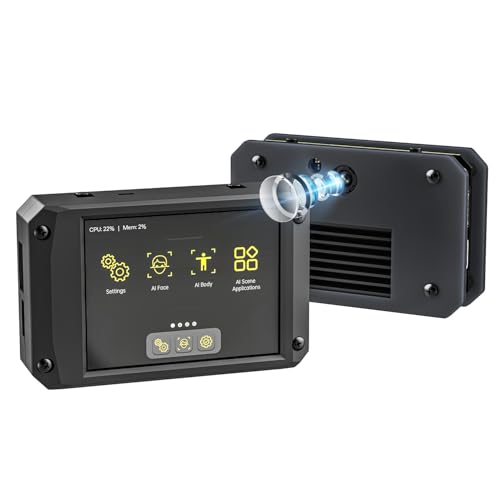
Yahboom K230 AI Development Board 1.6GHz High-performance chip/2.4-inch Display/Open Source Robot Maker Python, Supports AI Visual Recognition CanMV Sensor (Separate module)
【Flagship performance, extremely fast response】Equipped with a 1.6GHz main frequency chip, the KPU computing power is 13.7 times…
As an affiliate, we earn on qualifying purchases.
As an affiliate, we earn on qualifying purchases.
Key Questions
Why have RAM prices increased so sharply in 2026?
Prices have surged because manufacturers are reallocating wafer capacity from consumer RAM to higher-margin AI hardware like HBM, which is more profitable but less efficient in wafer use.
Will RAM prices go back down soon?
It is unlikely in the near term. New capacity is not expected to come online until 2027–2028, and ongoing AI demand keeps the reallocation trend strong.
How does AI hardware demand affect consumer PC components?
AI hardware demand causes manufacturers to prioritize high-margin chips, reducing supply of consumer RAM and driving up prices for PCs and upgrades.
Are there alternatives to DDR5 for budget builds?
DDR4 remains available but is end-of-life and now costs roughly the same as DDR5, with limited future support, making it a less viable long-term option.
Could market collusion be influencing prices?
While no current evidence suggests collusion, the high market concentration and past legal issues with the main DRAM producers raise questions about whether supply discipline is purely strategic or influenced by market power.
Source: ThorstenMeyerAI.com