📊 Full opportunity report: The Power Of Group Recovery For Managing Phone Addiction on IdeaNavigator AI — validation score, market gap, and execution plan.
TL;DR
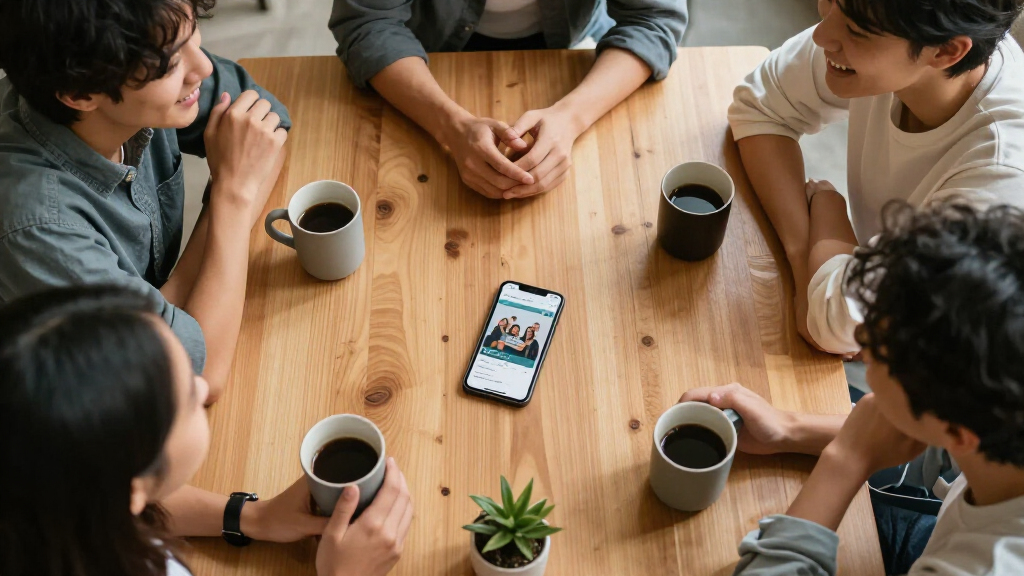
Researchers are testing a group recovery program for adults struggling with phone addiction, especially those who have failed traditional blocker apps. The initiative aims to fill a market gap with an eight-week, peer-supported model, measuring effectiveness through screen-time reduction.
IdeaNavigator AI is testing a structured, cohort-based recovery program for adults with severe phone addiction who have already failed traditional blocker apps. This initiative aims to address a market gap by providing a peer-supported, eight-week program designed to reduce screen time through accountability and personalized relapse plans. The project could offer a new pathway for individuals unable to benefit from existing digital wellness tools, with potential implications for behavioral health interventions.
The program targets adults with entrenched phone habits who have not responded to simple blocking tools, which are often overridden within a week. Instead of relying solely on technology, the program emphasizes structured group support, daily check-ins, and personalized trigger mapping. The pilot involves two paid cohorts at a fee of $400 each, with success measured by reductions in screen time at weeks 8 and 16, as well as alumni engagement.
Participants will join eight-week cohorts of ten adults, engaging in weekly facilitated sessions and optional in-group screen-time sharing. They will develop personal relapse prevention plans and trigger maps, aiming to foster accountability and sustainable behavior change. Graduates may join ongoing alumni groups, creating a community-driven approach to long-term management.
Funding for the program will come from cohort fees and alumni subscriptions, with the goal of validating effectiveness before broader rollout. The approach leverages existing digital wellness infrastructure and screen-time APIs, making it feasible to deliver at scale. The initiative responds to rising concern over phone overuse, now recognized as a clinical issue in some contexts, and aims to provide an evidence-based alternative to ineffective tech blockers.
Potential Impact of Peer-Supported Phone Recovery
This program could fill a critical gap in digital wellness offerings by providing a structured, community-based solution for adults with severe phone overuse. If successful, it may demonstrate that peer accountability and personalized relapse strategies outperform simple technological blockers, influencing future behavioral health interventions for digital addiction. The model’s scalability and reliance on existing infrastructure suggest it could become a cost-effective alternative for clinicians and wellness providers, addressing a growing public health concern.
phone addiction recovery support groups
As an affiliate, we earn on qualifying purchases.
As an affiliate, we earn on qualifying purchases.
Growing Concern Over Phone Overuse and Existing Solutions
Phone overuse has increasingly been recognized as a behavioral health issue, with many adults struggling to reduce screen time despite using basic blocking apps. These tools often fail because users override them or lose motivation quickly. Market options are limited: inexpensive blockers are ineffective for hard habits, while high-end coaching services are out of reach for most consumers. This leaves a significant gap for structured, community-based recovery programs that combine support, accountability, and personalized planning.
The rise of digital wellness movement and the availability of screen-time APIs provide an opportunity to develop scalable, evidence-based interventions. Recent discussions in the behavioral health space emphasize the importance of social support and personalized strategies in managing addictive behaviors, aligning with the proposed cohort model.
Previous attempts at digital detox programs have shown mixed results, often lacking sustained engagement. The new initiative aims to test whether a structured group approach can produce measurable reductions in phone use and foster long-term habits, especially for those who have failed simpler interventions.
As an affiliate, we earn on qualifying purchases.
Effectiveness and Scalability of the Cohort Model
It is still unclear how effective the eight-week cohort program will be in producing sustained reductions in screen time. Results from the pilot cohorts at weeks 8 and 16 will provide initial data, but long-term outcomes and broader scalability remain untested. Additionally, the degree to which peer accountability alone can drive behavior change compared to other interventions is still under investigation.
peer support app for phone overuse
As an affiliate, we earn on qualifying purchases.
As an affiliate, we earn on qualifying purchases.
Next Steps for Validation and Expansion
The pilot program will run two paid cohorts, measuring screen-time reductions and alumni engagement. Success metrics include significant decreases in daily phone use and high retention rates. If results are positive, the program could expand to larger groups and different demographics, potentially integrating with existing digital wellness platforms. Further research will be needed to compare this approach with other interventions and to refine the curriculum for different user needs.
As an affiliate, we earn on qualifying purchases.
Key Questions
How does the cohort-based recovery program differ from existing solutions?
The program emphasizes structured peer support, personalized relapse planning, and accountability, rather than relying solely on technological tools like blockers.
Who is the target audience for this program?
Adults with severe phone addiction who have already failed to reduce usage through simple blocking apps.
How will success be measured in the pilot?
By reductions in daily screen time at weeks 8 and 16, along with engagement levels in alumni groups.
Is this approach scalable and cost-effective?
Yes, it leverages existing digital infrastructure and group dynamics, making it potentially scalable at a reasonable cost.
When will results from the pilot be available?
Initial data will be collected at the end of week 8, with further follow-up at week 16; full analysis will follow after both cohorts complete the program.
Source: IdeaNavigator AI