
TL;DR
GewerkTon produced a three-minute film showing fictional models of buildings across various sectors, all built as 3D models by the company. This approach highlights its expertise in visualizing construction phases and site processes. The company aims to showcase its versatility and technological capabilities.
GewerkTon has built all 64 sample buildings as 3D models for its new three-minute brand film, demonstrating its ability to visualize a wide range of construction projects across sectors. This move underscores the company’s focus on showcasing its technological capabilities and versatility in the construction industry, with the film serving as a proof of concept for its modeling approach.

Get business pricing on tech for your team
- Business-only prices and quantity discounts
- Tax-exempt purchasing
- Multiple users, one account, clear invoices
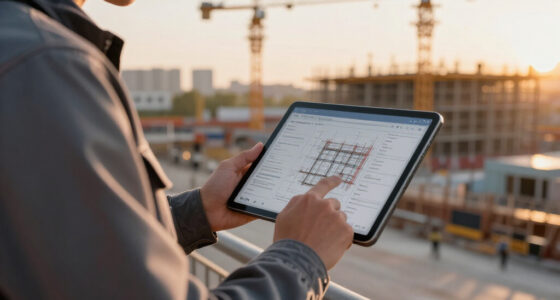
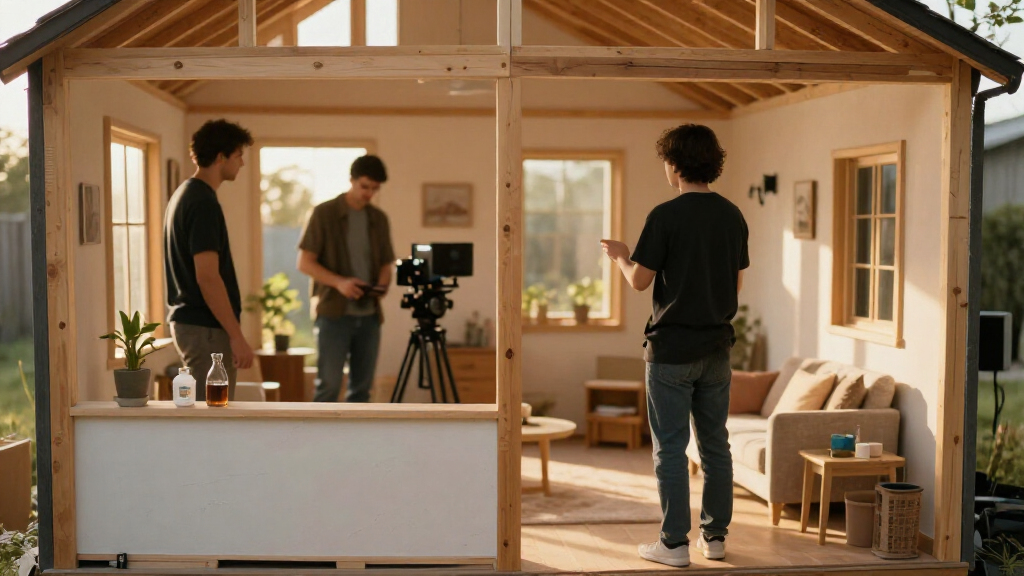
The film, titled “Where GewerkTon works,” depicts fictional buildings spanning residential, public, industrial, energy, water, and transport sectors. All images are rendered from models created entirely by GewerkTon, not real sites or projects. The company emphasizes that these models are used to illustrate how its technology can make complex construction phases understandable through visual means, as detailed in the original analysis.
According to Thorsten Meyer AI, the models serve to demonstrate how GewerkTon’s technology can be applied across trades and project types, from single-family homes to infrastructure projects like wind turbines, flood stations, and bridges. The film intentionally avoids real project references, focusing instead on fictional examples to emphasize the broad applicability of its modeling tools. Every image in the film is generated from these 3D models, which are designed to show construction phases, site processes, and layered details like structural cuts and renovation overlays.
GewerkTon states on its website that the purpose of creating these models is to improve understanding of construction processes, especially for stakeholders who may not read technical drawings. The models use simple visual conventions, such as color coding for demolition, new construction, and existing structures, aligning with standard building permit representations. The company also highlights that its approach is rooted in the principle that “on site, only what’s proven counts,” emphasizing the importance of checkable evidence in construction documentation.
Implications of Using Fully Modeled Sample Buildings
This approach signifies a shift towards more visual and verifiable communication methods in the construction industry. By creating entirely fictional yet realistic models, GewerkTon aims to demonstrate its capacity to improve project clarity, reduce misunderstandings, and facilitate collaboration across different trades and stakeholders. The use of 3D models for marketing and project planning could become a standard, especially as digital visualization tools become more integrated into construction workflows. It also highlights the company’s innovation in using AI-generated imagery and virtual modeling to showcase its services without relying on actual project data, thus protecting client confidentiality while still illustrating its capabilities.
Products Worth Considering

DJI Mini 5 Pro Fly More Combo with DJI RC 2

LG UltraGear 27G810A-B 27-Inch 4K UHD IPS Gaming Monitor

Bose QuietComfort True Wireless Earbuds with Active Noise Cancellation, Bluetooth 5.3, USB-C Charging, IPX4, Black
As an affiliate, we earn on qualifying purchases.
GewerkTon’s Innovation in Construction Visualization
GewerkTon’s decision to produce a film entirely based on fictional 3D models aligns with broader industry trends toward digital twins, virtual construction, and Building Information Modeling (BIM). The company’s focus on visual storytelling aims to bridge communication gaps between technical teams and non-experts, supporting clearer project planning and documentation. Historically, visual aids in construction have relied on drawings and photographs, which can be ambiguous or incomplete. By creating comprehensive 3D models that depict different phases and layers, GewerkTon positions itself as a pioneer in digital construction documentation and evidence management. The company’s emphasis on fictional projects allows for a flexible demonstration of its tools’ potential without the constraints of real project confidentiality or complexity.
Since its founding, GewerkTon has promoted the idea that “on site, only what’s proven counts,” emphasizing verifiable evidence. The company’s recent initiatives, including this film, reflect an ongoing commitment to leveraging AI, 3D modeling, and digital storytelling to transform construction communication and project management. The film’s release in 2026 marks a milestone in its strategy to showcase the breadth of its technological capabilities in a compelling, visual format.
Unclear Details About Future Applications
It is not yet confirmed how GewerkTon plans to integrate these modeling techniques into actual project workflows or client projects. The company emphasizes the demonstration aspect, but whether this approach will become a standard practice remains to be seen. Additionally, it is unclear if GewerkTon will develop interactive tools or real project models based on this concept, or if this is primarily a marketing initiative for 2026.
Next Steps in Demonstrating and Expanding Capabilities
GewerkTon is expected to continue releasing new films and interactive content that showcase its modeling capabilities across different construction sectors. The company may also explore integrating these models into client projects or developing tools that allow stakeholders to interact with the models directly. Further, the company might demonstrate how its technology can be used in real-time project management or digital twin applications, moving from fictional examples to real-world implementation.
Key Questions
Why did GewerkTon create fictional buildings for its film?
GewerkTon used fictional models to demonstrate the full range of its visualization and modeling capabilities without revealing confidential or real project data, emphasizing versatility across sectors and phases.
Will this approach be used in actual construction projects?
It is not yet confirmed whether GewerkTon will incorporate these modeling techniques into real projects or keep them primarily as marketing and demonstration tools for 2026.
How does this film help stakeholders understand construction processes?
The film uses visual conventions, phases, and layered cuts to make complex construction steps more understandable, especially for stakeholders who do not read technical drawings.
What is the significance of this development for the construction industry?
This approach could signal a shift towards more visual, verifiable, and digital communication methods in construction, potentially improving project clarity and collaboration.
Are the models in the film based on real projects?
No, all buildings shown in the film are fictional and built solely as 3D models by GewerkTon for demonstration purposes.
Source: Thorsten Meyer AI