
TL;DR
AI data centers are consuming vastly more fiber optic cable than standard servers—up to 36 times more—causing supply shortages and extended delivery times. Major manufacturers are expanding capacity, but new supply won’t meet demand until 2027.
AI data centers now require up to 36 times more fiber optic cable than traditional server setups, according to industry sources, creating significant supply chain challenges for fiber manufacturers and data center operators.
Major Chinese fiber manufacturers, including Hengtong and FiberHome, report that their production lines are operating at full capacity, with delivery cycles extending from weeks to months. Industry data indicates that fiber demand for AI infrastructure increased approximately 76% in 2025, and by 2027, the segment is projected to account for 30% of global fiber demand, up from below 5% in 2024.
Leading companies like Meta and Nvidia are securing multiyear supply agreements to mitigate shortages. Meta signed a $6 billion deal with Corning, and Nvidia invested $300 million in new fiber manufacturing plants in North Carolina and Texas. Despite these efforts, the additional capacity from these expansions is not expected until 2027 or later, causing lead times for large-volume buyers to stretch to 20 weeks and even longer for smaller orders.
Why It Matters
This development underscores a critical bottleneck in the expansion of AI infrastructure, as the fiber supply chain struggles to keep pace with surging demand. The shortage could delay the deployment of new AI data centers, impacting cloud services, AI research, and related industries that rely on rapid data processing capabilities. It also highlights the need for increased investment in fiber manufacturing capacity to support the growing AI ecosystem.
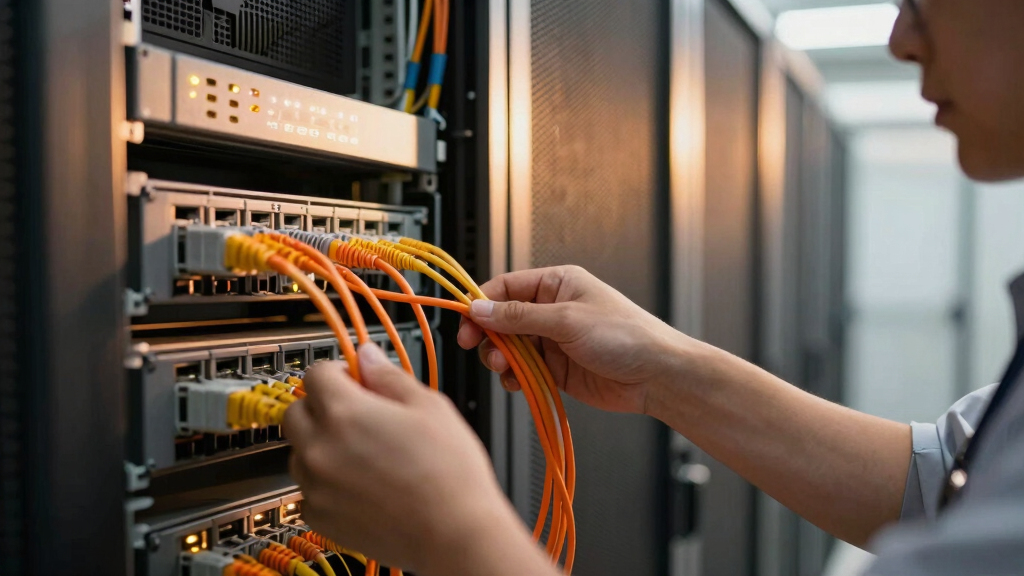
fiber optic cable for data centers
As an affiliate, we earn on qualifying purchases.
As an affiliate, we earn on qualifying purchases.
Background
The rapid growth in AI data center deployment has dramatically increased fiber demand, with industry reports showing a 76% year-on-year rise in 2025. This surge is driven by the expansion of hyperscale cloud providers and AI-specific infrastructure, which require significantly more fiber optic cabling for high-speed data transfer. Major players are responding with multiyear commitments and capacity expansion plans, but the supply chain remains strained, with new capacity only expected to come online in 2027 or later.
“The demand for fiber in AI data centers is unprecedented, requiring up to 36 times more fiber than traditional servers, which has overwhelmed current supply capabilities.”
— Industry analyst
“Our production lines are operating at full capacity, and delivery times have extended significantly, impacting customers worldwide.”
— A representative from FiberHome
“We are locking in multiyear supply agreements to secure fiber for our data centers, but the overall supply chain remains tight.”
— Meta spokesperson
As an affiliate, we earn on qualifying purchases.
What Remains Unclear
It is still unclear how quickly fiber supply will ramp up to meet the surging demand, or whether new manufacturing capacity will be sufficient to prevent further delays beyond 2027. The full impact of these shortages on the timeline for AI data center deployment remains to be seen.
industrial fiber optic cables for AI infrastructure
As an affiliate, we earn on qualifying purchases.
As an affiliate, we earn on qualifying purchases.
What’s Next
Manufacturers like Corning and FiberHome plan to expand capacity, with new facilities expected to come online in 2027 or later. Industry observers expect continued supply chain strain until these expansions are operational, and further investments or technological innovations may be needed to address the shortfall.
As an affiliate, we earn on qualifying purchases.
Key Questions
Why do AI data centers require so much more fiber than traditional servers?
AI data centers need higher bandwidth and faster data transfer capabilities, which require significantly more fiber optic cabling to connect high-performance hardware and support increased data flow.
How are companies responding to the fiber shortage?
Major companies are signing multiyear supply agreements and investing in new manufacturing facilities to secure fiber supply, but capacity expansions will not fully address demand until 2027 or later.
What are the potential consequences of the fiber shortage?
The shortage could delay the deployment of new AI data centers, impacting cloud services, AI research, and the broader digital infrastructure that depends on high-speed data transfer.
When will new fiber manufacturing capacity be available?
Most new capacity from current expansion projects is expected to come online in 2027 or later, with some delays possible depending on supply chain and construction timelines.