
TL;DR

Get business pricing on tech for your team
- Business-only prices and quantity discounts
- Tax-exempt purchasing
- Multiple users, one account, clear invoices
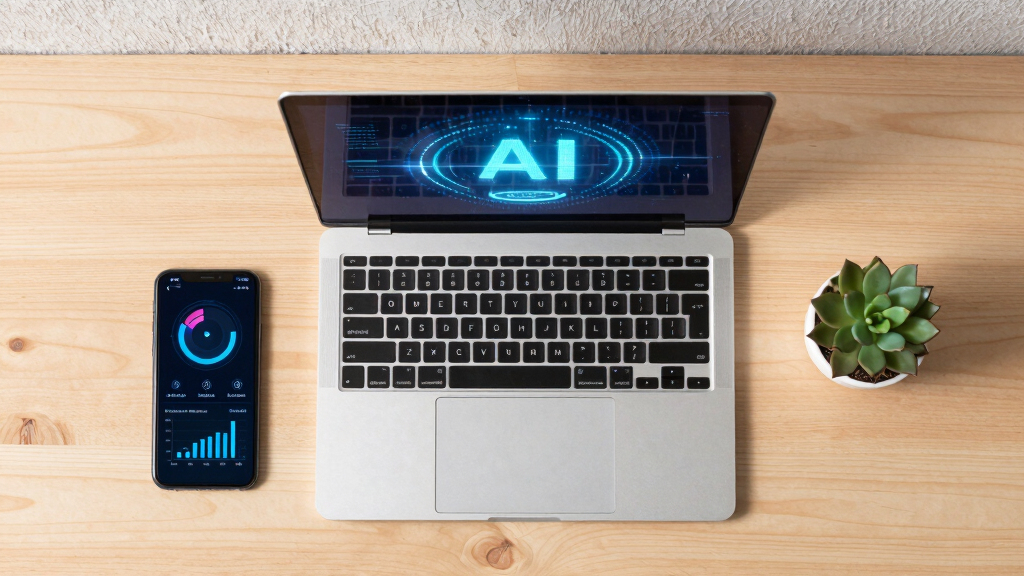
AI is a broad technology that underpins many products rather than being a single product itself. Apple emphasizes integrating AI seamlessly into existing products rather than creating standalone AI devices. This distinction influences future innovation strategies.
Apple executives and industry analysts confirm that artificial intelligence (AI) should be regarded as a technology layer integrated into products, not as a standalone product itself. This perspective influences how companies like Apple plan to develop future innovations, emphasizing seamless user experiences over discrete AI devices.
In recent interviews, Apple’s senior executives, including Greg Ternus, have stated that AI is an “immense inflection point” but should not be thought of as a product to be shipped. Instead, AI is viewed as a technology that enhances existing products and features, aligning with Apple’s historical approach of delivering integrated experiences rather than focusing on underlying technologies.
Industry analysts and critics have noted that this stance contrasts with the hype surrounding AI as a standalone product, such as dedicated AI gadgets or devices. Experts emphasize that AI’s true value lies in its integration into existing ecosystems like smartphones, wearables, and services, rather than as a separate, marketable device.
Why It Matters
This clarification matters because it shapes the future landscape of AI development and marketing. For consumers, it suggests that AI will continue to be embedded in familiar devices rather than leading to the rise of new standalone AI hardware. For companies, it underscores the importance of integrating AI into their existing product lines rather than pursuing isolated AI products, which could influence market strategies and investment priorities.
As an affiliate, we earn on qualifying purchases.
Background
Historically, Apple has focused on creating user-centric products like the iPhone, iPad, and Mac, with technology serving as an enabler rather than the main feature. Recent comments from Apple executives reinforce this approach in the context of AI, which has been hyped as a disruptive force. The industry has seen a surge of claims about AI as a product, including dedicated gadgets and voice assistants, but Apple’s stance emphasizes seamless integration over standalone offerings.
Earlier debates about AI’s role in consumer technology often conflated the technology itself with potential products. Experts now clarify that AI functions as a pervasive layer, similar to wireless connectivity, embedded across multiple devices and services rather than as a singular product.
“We never think about shipping a technology. We want to ship amazing products, features, and experiences, and we don’t want our customers to think about what [underlying] technology makes it possible.”
— Greg Ternus, Apple executive
“AI is a broad technology layer, not a single product. Its true impact will be in how seamlessly it is embedded into existing ecosystems like smartphones and wearables.”
— Industry analyst
wearable device with AI features
As an affiliate, we earn on qualifying purchases.
As an affiliate, we earn on qualifying purchases.
What Remains Unclear
It remains unclear how quickly and extensively AI will be embedded into future Apple products or whether new AI-specific features might lead to perceptions of AI as a distinct offering. The exact nature of future AI-driven experiences and their hardware requirements are still developing.
smart home devices with AI technology
As an affiliate, we earn on qualifying purchases.
As an affiliate, we earn on qualifying purchases.
What’s Next
Next steps include observing how Apple and other tech companies implement AI features within their existing product ecosystems. Industry analysts will monitor product launches and software updates for evidence of AI integration. Additionally, regulatory and consumer responses to AI’s pervasive role will influence future development.
As an affiliate, we earn on qualifying purchases.
Key Questions
Will AI ever be a standalone product?
Currently, most experts agree that AI functions as a technology embedded within products rather than as a separate device. However, future innovations could change this if new hardware or use cases emerge.
How does this perspective affect consumers?
Consumers can expect AI to be integrated into devices they already use, like smartphones and wearables, rather than buying dedicated AI gadgets.
What does this mean for competing tech companies?
Other companies may follow suit by focusing on embedding AI into existing products rather than developing standalone AI devices, emphasizing seamless user experiences over discrete offerings.
Halloween Picks
halloween
As an affiliate, we earn on qualifying purchases.