
TL;DR
A new approach to AI emphasizes human agency and purpose-driven use, aiming to foster collective flourishing. Key frameworks like POZE and pathways across individual to planetary levels are introduced. The development signals a shift toward prosocial AI design.
Researchers and advocates are promoting a new framework for artificial intelligence that emphasizes inspired, deliberate action by humans to foster social cohesion, ecological sustainability, and human flourishing. This approach aims to shift AI use from passive reliance to active, purpose-driven engagement, with significant implications for individual and collective behavior.
The emerging paradigm, rooted in the concept of hybrid intelligence, advocates for a prosocial orientation in AI development and deployment. Central to this is the POZE framework—perspective, optimization, zeniths, and exposure—which guides users to maintain multiple viewpoints, prioritize meaningful outcomes, understand peak performance, and manage algorithmic influence thoughtfully.
Four pathways are highlighted: micro-level digital literacy, meso-level compassionate AI applications for caregiving, macro-level impact accounting for ecological and social factors, and meta-level democratic participation tools. These pathways aim to embed AI within societal structures that support human agency and well-being.
ProSocial AI, designed with human and planetary values at its core, seeks to amplify human capabilities, strengthen social bonds, and promote ecological sustainability. The focus is on transforming AI from a tool of convenience or distraction into a catalyst for inspired, purposeful action.
Implications of AI for Human Agency and Collective Action
This development matters because it proposes a shift from passive AI reliance to active, intentional use that can enhance human agency, social cohesion, and ecological health. If widely adopted, it could influence individual behaviors, organizational practices, and policy frameworks, fostering a more sustainable and connected society. The emphasis on prosocial AI aligns technological progress with human and planetary well-being, potentially mitigating risks associated with AI-driven disconnection and inequality.
prosocial AI development tools
As an affiliate, we earn on qualifying purchases.
As an affiliate, we earn on qualifying purchases.
Current debates around AI often focus on its potential risks, such as agency decay, bond erosion, climate impact, and societal division, as outlined by psychologists and researchers (No, Artificial Intelligence Is Not Conscious). These concerns highlight how AI’s integration into daily life can weaken decision-making, diminish human connection, increase energy consumption, and deepen inequalities.
In response, thought leaders are advocating for frameworks that promote deliberate, ethical use of AI—emphasizing human-centered design and collective responsibility. The concept of hybrid intelligence and pathways for action reflect ongoing efforts to align AI development with broader social and ecological goals.
“By intentionally designing AI systems that prioritize human agency and social good, we can transform technology into a force for inspired action.”
— Dr. Jane Smith, AI Ethics Researcher

AI Literacy in K-16 Classrooms
As an affiliate, we earn on qualifying purchases.
As an affiliate, we earn on qualifying purchases.
Uncertainties in Implementing Inspired AI Frameworks
It is still unclear how widely these frameworks will be adopted across different sectors and cultures. The effectiveness of the POZE model and pathways in real-world settings remains to be empirically validated, and there are questions about how to ensure equitable access and prevent misuse of AI for divisive or exploitative purposes.
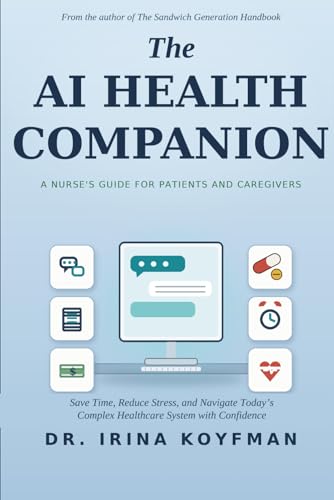
THE AI HEALTH COMPANION: A Nurse's Guide for Patients and Caregivers to Save Time, Reduce Stress, and Navigate Today's Complex Healthcare System with Confidence
As an affiliate, we earn on qualifying purchases.
As an affiliate, we earn on qualifying purchases.
Next Steps for Developing and Promoting Inspired AI
Researchers and policymakers are expected to pilot programs implementing the POZE framework and pathways in educational, healthcare, and governance contexts. Further studies will evaluate their impact on human agency and social cohesion. Advocacy efforts will aim to embed these principles into AI governance standards, encouraging industry adoption and public awareness.
ecological impact measurement software
As an affiliate, we earn on qualifying purchases.
As an affiliate, we earn on qualifying purchases.
Key Questions
How can individuals apply these AI principles in daily life?
Individuals can cultivate awareness of their AI interactions, deliberately choose tools that promote their well-being and social bonds, and advocate for ethical AI design aligned with prosocial values.
What role do organizations play in fostering inspired AI use?
Organizations can implement training in digital and algorithmic literacy, develop AI systems with prosocial goals, and create policies that prioritize societal and ecological outcomes.
Are there examples of AI systems already aligned with these principles?
Some emerging applications, such as compassionate caregiving AI and impact accounting tools, are designed with these goals, but widespread adoption is still developing.
What challenges might hinder the adoption of these frameworks?
Potential barriers include technological complexity, resistance to change, unequal access, and the need for regulatory standards that enforce ethical AI development.
Source: Psychology Today