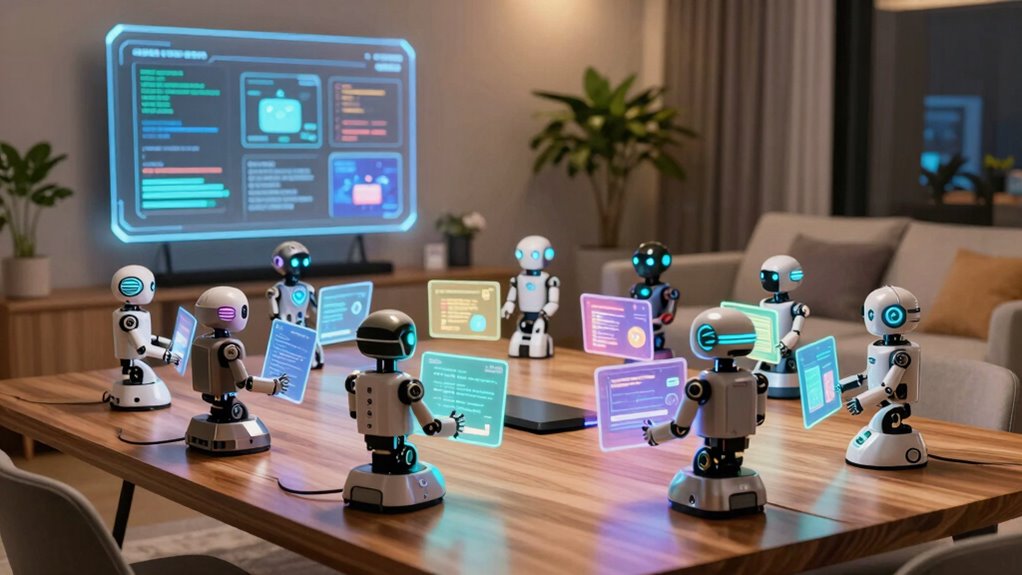

Choosing the right ai robot for home learning and coding depends on factors like age, skill level, and educational goals. The best overall pick is the Miko 3 AI Robot, thanks to its engaging STEAM activities and intuitive interface. The Anki Vector 2.0 stands out for its conversational AI capabilities, making it a great companion for older kids or teens interested in AI. Meanwhile, the Sphero Indi offers a screenless experience ideal for younger children who need tactile, hands-on learning. Readers will face tradeoffs between complexity, cost, and versatility—this guide breaks down what matters most for each type of learner. Continue reading for a detailed comparison of these top options and how to choose the best robot for your home setup.

Get tech for your team delivered free — and shop member deals
- Fast, free delivery on millions of items
- Access to Prime Big Deal Days deals on October 6–7
- Prime Video, Amazon Music and more included
Key Takeaways
- The top robots balance ease of use with educational depth, making them suitable for various age groups.
- More advanced kits like the ACEBOTT Robotics Kit cater to serious coding learners but require parental oversight.
- Screenless robots like Sphero Indi excel for younger children, emphasizing tactile play over complex programming.
- Price varies widely; premium models often include more features but may be overkill for casual learners.
- Versatility matters — robots compatible with Scratch and Python expand future learning possibilities.
| Miko 3 AI Robot for Kids – Educational & STEAM Learning Robot with Interactive Apps, Games, Stories & Activities for Ages 5–10 |  | Best Overall for Engaging Early Learners | Age Range: 5–10 | Features: AI learning, interactive touchscreen, story maker, emotional support, physical activity games | Color: Red | VIEW ON AMAZON | See Our Full Breakdown |
| Anki Vector 2.0 AI ChatGPT Connected Robot Companion |  | Best for Natural Conversations and AI Interaction | Connectivity: Wi-Fi (2.4 GHz) | Features: Face recognition, voice conversations, expressive eyes, multilingual support | Camera: HD camera | VIEW ON AMAZON | See Our Full Breakdown |
| ACEBOTT Robotics Kit for Kids Ages 8-16, Smart Robot Car Kit Compatible with Arduino & Scratch, STEM Coding Robot with App Control |  | Best for Hands-On Coding and Robotics | Controller: ESP32 | Supported Programming Languages: Scratch, Arduino, Python | Compatibility: iOS, Android, Tablets, Laptops | VIEW ON AMAZON | See Our Full Breakdown |
| Thames & Kosmos Kai: The Artificial Intelligence Robot |  | Best for Introductory AI and Gesture Control | Robot Type: AI robot | Number of Legs: 6 | App Compatibility: iOS & Android | VIEW ON AMAZON | See Our Full Breakdown |
| Nous AI Robot for Kids 12+, STEM Coding Kit with Scratch & Python |  | Best for Advanced AI and Coding Enthusiasts | Recommended Age: 12+ | Programming Languages: Scratch, Python | AI Technologies: Machine learning, neural networks, computer vision, speech recognition | VIEW ON AMAZON | See Our Full Breakdown |
| Learning Resources Botley 2.0 The Coding Robot |  | Best for Screen-Free Early Coding Skills | Batteries: 5 AAA for Botley, 2 AAA for remote | Age Range: Not specified | Screen-Free: Yes | VIEW ON AMAZON | See Our Full Breakdown |
| Sphero Indi At-Home Learning Kit Screenless Coding Robot | Ages 4+ |  | Best for Creative, Hands-On Problem Solving | Age Range: 4+ | Features: Color sensor, screenless programming, app-enabled, customizable with stickers | Learning Focus: Problem-solving, coding, cause and effect, pattern recognition | VIEW ON AMAZON | See Our Full Breakdown |
| Learning Resources Botley The Coding Robot 2.0 Activity Set – 78 Pieces, Ages 5+ |  | Best for Creative, Interactive Screen-Free Coding | Pieces: 78 | Ages: 5+ | Includes: Coding robot, accessories for transformations, activity guides | VIEW ON AMAZON | See Our Full Breakdown |
| Makeblock mBot Ranger 3-in-1 Robotics Kit for Kids Age 10+ |  | Best for Advanced STEM Projects and Versatility | Age Range: 10+ | Number of Robots: 3 | Included Modules: ultrasonic sensor, line-tracking sensor, light sensors, gyroscope, RGB LEDs, buzzer, temperature sensor, Bluetooth | VIEW ON AMAZON | See Our Full Breakdown |
| Wonder Workshop Dash Robot – Coding Robot for Kids 6+ – Voice Activated STEM Toy |  | Best for Voice-Activated Coding and Immediate Play | Age Range: 6-11 | Battery Life: Up to 5 hours | Includes: Dash robot, 2 building brick connectors, USB charging cable | VIEW ON AMAZON | See Our Full Breakdown |
| Makeblock mBot STEM Coding Robot Kit for Kids Ages 8-12 |  | Best Overall for Educational Robotics and Coding | Recommended Age: 8-12 | Batteries Needed: 4 AA batteries (not included), CR2025 for remote (not included) | Connectivity: Compatible with 100+ modules and 500+ parts | VIEW ON AMAZON | See Our Full Breakdown |
| ACEBOTT Smart Robot Car Kit for Kids Ages 8-16 with 3MP Camera, STEM Educational Robotics Kit Compatible with Arduino & Scratch, App & Remote Control |  | Best for Advanced Learning with Video and Mobility | Camera: 3MP HD | Controller: ESP32 | Compatibility: Arduino & Scratch | VIEW ON AMAZON | See Our Full Breakdown |
| Learning Resources Botley The Coding Robot Activity Set – 77 Pieces, Ages 5+ | 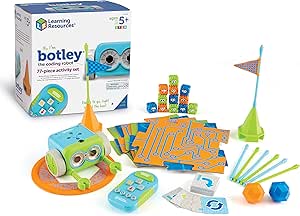 | Best Screen-Free Introduction to Coding for Young Kids | Pieces: 77 | Ages: 5+ | Batteries: 3 AAA for Botley, 2 AAA for remote (not included) | VIEW ON AMAZON | See Our Full Breakdown |
More Details on Our Top Picks
Miko 3 AI Robot for Kids – Educational & STEAM Learning Robot with Interactive Apps, Games, Stories & Activities for Ages 5–10
This robot stands out for blending emotional development with STEAM learning, making it an ideal choice for parents seeking a well-rounded educational companion for younger children. Compared with the Sphero Indi, which emphasizes screenless coding, the Miko 3 offers a richer interactive experience with storytelling, movement, and emotional support. Its AI adapts to a child’s preferences, fostering creativity and confidence, but it requires regular recharging and internet connectivity for some features. While the high price could be a concern for budget-conscious families, its versatility in activities makes it a compelling pick for children aged 5 to 10 who thrive on interactive play and storytelling rather than pure coding. Overall, this makes the most sense for families prioritizing emotional growth alongside STEAM skills.
Pros:- Encourages creativity and storytelling through interactive features
- Personalized learning with advanced AI adapting to usage
- Supports emotional development with jokes, pep talks, and mindfulness activities
- Promotes active play with yoga, dance, and movement games
Cons:- Requires regular charging and maintenance
- Some features depend on internet connectivity
- Higher price point may be restrictive for some budgets
Best for: Parents of children aged 5-10 who want a playful, emotionally supportive learning robot that combines storytelling and physical activity
Not ideal for: Families seeking a strictly coding-focused robot or those with limited internet access, as some features require connectivity and it’s more geared towards engaging younger kids
- Age Range:5–10
- Features:AI learning, interactive touchscreen, story maker, emotional support, physical activity games
- Color:Red
Our verdict“This robot fits best for parents wanting a lively, emotionally enriching learning experience for children in early elementary years.”
Anki Vector 2.0 AI ChatGPT Connected Robot Companion
The Anki Vector 2.0 excels as a highly autonomous robot that offers natural, engaging conversations thanks to ChatGPT integration, making it ideal for tech-savvy families. Unlike the Nous AI Robot, which emphasizes deep AI and coding for older kids, Vector provides a more accessible experience with expressive reactions and face recognition that foster a sense of companionship. Its reliance on a ChatGPT subscription and setup complexity can be a hurdle, especially for less experienced users, and its limited Wi-Fi compatibility restricts placement options. However, for households wanting an intelligent, conversational robot that can serve as an interactive family assistant, the Vector’s lifelike independence makes it a standout choice. This is best suited for older children and adults interested in AI-driven social interaction.
Pros:- Lifelike independence with face recognition and expressive reactions
- Connected to ChatGPT for intelligent, human-like conversations
- Supports multiple languages, ideal for multilingual households
- Compact, mobile design suitable for various home environments
Cons:- Requires ongoing ChatGPT subscription fee
- Setup involves multiple steps and a compatible Wi-Fi network
- Limited to 2.4 GHz Wi-Fi networks which may cause connectivity issues
Best for: Parents with tech-savvy teenagers or adults seeking an AI companion for natural conversations and interactive learning
Not ideal for: Families without a stable Wi-Fi connection or those seeking a dedicated coding robot for younger children, as setup and subscription requirements can be challenging
- Connectivity:Wi-Fi (2.4 GHz)
- Features:Face recognition, voice conversations, expressive eyes, multilingual support
- Camera:HD camera
- Sensors:Advanced sensors for mapping and obstacle detection
Our verdict“This robot is perfect for households wanting a conversational AI companion with personality and intelligence for older kids and adults.”
ACEBOTT Robotics Kit for Kids Ages 8-16, Smart Robot Car Kit Compatible with Arduino & Scratch, STEM Coding Robot with App Control
This kit is ideal for children who prefer building and coding their own robots, supporting a wide age range from 8 to 16, and offering a flexible platform for learning programming. Unlike the Nous AI Robot, which emphasizes advanced AI features, the ACEBOTT kit focuses on foundational STEM skills with support for Scratch, Arduino, and Python. Its app and remote control make it accessible for beginners, but the assembly can be complex for younger kids, and batteries are not included, adding extra steps. While it may not suit very young children or those looking for plug-and-play simplicity, this kit is perfect for learners ready to explore electronics and coding hands-on, fostering critical problem-solving skills. It’s best for motivated students eager to understand underlying tech.
Pros:- Supports multiple programming languages including Scratch, Arduino, and Python
- Mobile-friendly coding on various devices facilitates flexible learning
- Includes detailed tutorials and easy assembly without soldering
- Interactive app and remote control enhance engagement
Cons:- Batteries are not included, requiring additional purchase
- Assembly can be challenging for very young children
- Limited to the 8-16 age range, not suitable for early learners
Best for: Parents and educators seeking a versatile, hands-on robotics kit for children aged 8-16 to learn coding and electronics
Not ideal for: Younger children under 8 or families looking for a simple, ready-made robot, as assembly and programming complexity may be overwhelming
- Controller:ESP32
- Supported Programming Languages:Scratch, Arduino, Python
- Compatibility:iOS, Android, Tablets, Laptops
- Includes:IR remote, App control, Step-by-step tutorials
- Batteries:Not included
Our verdict“This kit makes the most sense for students ready for a serious introduction to robotics, electronics, and coding across multiple platforms.”
Thames & Kosmos Kai: The Artificial Intelligence Robot
The Kai offers a hands-on introduction to AI concepts, making it suitable for children aged 10 and up. Its six-legged design and app customization provide an engaging platform to learn about machine learning and gesture recognition. Compared with the Nous AI Robot, which emphasizes deep AI and programming, Kai focuses on simplified, interactive AI experiments that make complex ideas accessible. However, the need for adult help with younger children and the complexity of some concepts may limit independent exploration. Still, its combination of building, coding, and storytelling makes it an appealing choice for those interested in understanding AI’s basics in a tangible way. It’s perfect for curious kids ready for a more physical and conceptual introduction to AI.
Pros:- Interactive, teaches AI and machine learning concepts in a playful way
- App-enabled customization for robot movements and behaviors
- Includes a detailed manual and engaging comic-style story
- Stimulates both building and coding skills
Cons:- Requires adult assistance for younger children
- Complex concepts may challenge some kids without guidance
- Setup and assembly can be time-consuming
Best for: Parents of children aged 10+ who want a hands-on, interactive introduction to AI and robotics with storytelling elements
Not ideal for: Younger kids or families looking for straightforward coding projects without gesture or sound interaction, as the concepts can be complex
- Robot Type:AI robot
- Number of Legs:6
- App Compatibility:iOS & Android
- Age Range:10+ (with help), 12+ (independent)
Our verdict“This robot is best for curious, older children interested in understanding AI through hands-on building and storytelling, with adult guidance.”
Nous AI Robot for Kids 12+, STEM Coding Kit with Scratch & Python
The Nous AI Robot targets older kids and teens ready for a deep dive into AI and robotics, supporting advanced features like machine learning, computer vision, and speech recognition. This makes it a standout for STEM-focused learning, especially in classroom or competitive environments. Unlike the ACEBOTT Kit, which emphasizes building and basic coding, Nous prioritizes sophisticated AI training and coding in Python and Scratch, making it suitable for motivated learners. Its detailed instructions and online platform add value but also require a certain level of electronics knowledge, which could be daunting for beginners. Assembly can take time, but the depth of AI capabilities makes it a compelling choice for serious students aiming to master AI concepts and creative projects.
Pros:- Supports both Scratch and Python programming for versatile learning
- Includes advanced AI features like machine learning and computer vision
- Suitable for competitions, projects, and in-depth AI training
- Detailed instructions and online training platform provided
Cons:- Requires some electronics and robotics knowledge for effective use
- Assembly can be time-consuming for younger or less experienced kids
- Complex AI features may be difficult for absolute beginners
Best for: Students 12+ and educators seeking a comprehensive AI coding platform with advanced machine learning and computer vision features
Not ideal for: Younger children or those new to electronics, as the complex AI features and assembly process may be overwhelming
- Recommended Age:12+
- Programming Languages:Scratch, Python
- AI Technologies:Machine learning, neural networks, computer vision, speech recognition
- Assembly:Detailed instructions included
- Platform:Online platform for coding and AI training
Our verdict“This kit is designed for older, motivated learners ready to explore the depths of AI and robotics with advanced programming skills.”
Learning Resources Botley 2.0 The Coding Robot
Botley 2.0 stands out for its screen-free approach, making it ideal for parents seeking to introduce young children to basic coding without screen time. Unlike the Sphero Indi, which also emphasizes hands-on exploration, Botley relies on a remote control, fostering critical thinking and problem-solving through active play. However, it requires extra batteries, and its limited advanced features mean it’s less suited for children ready for more complex coding tasks. Its straightforward setup and engaging activities make it a strong choice for beginners, especially at the early elementary level.
Pros:- Encourages screen-free STEM learning and coding skills
- Easy to set up and use right out of the box
- Promotes critical thinking and problem solving through active play
Cons:- Batteries not included, need to purchase separately
- Limited information on age range and advanced features
Best for: Parents wanting a simple, screen-free robot that teaches foundational coding skills to children aged 4-6.
Not ideal for: Families looking for more advanced programming capabilities or longer-lasting battery life, as Botley needs additional batteries and offers limited complexity.
- Batteries:5 AAA for Botley, 2 AAA for remote
- Age Range:Not specified
- Screen-Free:Yes
- Includes:Remote programmer, coding activities
Our verdict“This pick is perfect for parents seeking an accessible, screen-free introduction to coding for young children just starting STEM exploration.”
Sphero Indi At-Home Learning Kit Screenless Coding Robot | Ages 4+
Compared to Botley, which offers straightforward remote control, Sphero Indi emphasizes hands-on, screenless programming with a color sensor and customizable stickers, making it ideal for young children to explore cause and effect through physical play. Its use of a color sensor and app-enabled features supports early STEM learning while encouraging creativity. The main tradeoff is that advanced features require a device and app, which might be less accessible for very young children or those without compatible tablets. Overall, Indi suits families seeking an engaging, tactile way to introduce coding concepts without screens.
Pros:- Encourages creativity and problem-solving through hands-on play
- No screen required for basic programming
- Supports early STEM learning with color sensor technology
Cons:- Requires use of an app for advanced features
- Some children may need adult assistance with setup
Best for: Parents of children aged 4-7 wanting a creative, screenless coding experience that fosters problem-solving through physical exploration.
Not ideal for: Families seeking an out-of-the-box, app-free experience or older children ready for text-based programming, as Indi’s advanced features depend on an app.
- Age Range:4+
- Features:Color sensor, screenless programming, app-enabled, customizable with stickers
- Learning Focus:Problem-solving, coding, cause and effect, pattern recognition
- Included:Color cards, Sphero Edu Jr app
Our verdict“Ideal for parents wanting a tactile, screenless robot that sparks creativity and introduces basic coding for early learners.”
Learning Resources Botley The Coding Robot 2.0 Activity Set – 78 Pieces, Ages 5+
This activity set expands on the basic Botley experience, offering 78 pieces that transform the robot and introduce multiple coding styles. Compared with the simpler Botley 2.0, this set allows children to customize characters and explore music, lights, and movement, fostering deeper critical thinking. The main challenge lies in its initial setup complexity and the need for adult supervision, especially for younger children. It’s best suited for families wanting a more comprehensive, hands-on STEM kit that supports ongoing engagement.
Pros:- Screen-free coding experience with multiple interactive features
- Encourages creativity through transformations and activities
- Supports STEM development with music, lights, and movement
Cons:- Requires adult supervision for setup and younger children
- Some users find initial assembly and configuration complex
Best for: Parents of children aged 5-8 seeking a versatile, hands-on coding experience with plenty of accessories and activities.
Not ideal for: Families with very young children or those seeking a quick, simple introduction, since setup can be complex and may require guidance.
- Pieces:78
- Ages:5+
- Includes:Coding robot, accessories for transformations, activity guides
Our verdict“This activity set is ideal for eager young learners who enjoy creative, hands-on STEM projects and have some patience for assembly.”
Makeblock mBot Ranger 3-in-1 Robotics Kit for Kids Age 10+
The mBot Ranger offers a significant step up in complexity and capability, supporting three robot configurations—tank, bird, and car—compared with Botley’s simple remote control. Its compatibility with Scratch and Arduino opens doors for more advanced programming, making it suitable for older children ready for deeper STEM experimentation. The tradeoff is that assembly can be challenging for younger kids, and batteries are not included, adding extra cost. This kit makes the most sense for tech-savvy kids or schools aiming for more comprehensive coding and building projects.
Pros:- Supports multiple robot configurations for versatile play
- Encourages STEM learning through Scratch and Arduino
- Durable metal parts and extensive sensor modules
Cons:- Batteries are not included, requiring extra purchase
- Assembly may be complicated for younger children
Best for: Parents of children aged 10+ who want a versatile, challenging robotics kit capable of multiple configurations and advanced programming.
Not ideal for: Younger children or families seeking an easy, plug-and-play robot, as the assembly and programming are more complex and require technical skills.
- Age Range:10+
- Number of Robots:3
- Included Modules:ultrasonic sensor, line-tracking sensor, light sensors, gyroscope, RGB LEDs, buzzer, temperature sensor, Bluetooth
- Power Source:6 AA batteries or lithium batteries (not included)
- Material:Sturdy metal parts
- Compatible Languages:Scratch, Arduino
Our verdict“Best suited for older children or educational settings seeking a highly customizable, advanced robotics experience.”
Wonder Workshop Dash Robot – Coding Robot for Kids 6+ – Voice Activated STEM Toy
Unlike Botley or Indi, which emphasize screen-free or tactile coding, the Dash Robot excels at voice-activated commands and app-based activities, making it accessible for children aged 6 and up. It requires no assembly and offers a variety of interactive activities like dancing and obstacle navigation, making it ideal for kids who enjoy immediate, engaging play. However, the lack of a camera and reliance on a compatible device for app use could limit its versatility for more advanced projects. Dash makes a compelling choice for families seeking a ready-to-use, voice-responsive robot for early coding fun.
Pros:- Educational and engaging coding activities
- No assembly required, ready out of the box
- Compatible with multiple apps for versatile learning
Cons:- Does not include a camera for visual projects
- Requires a compatible device for app use
Best for: Parents of children aged 6-11 who want a pre-assembled, voice-activated robot with diverse, engaging activities.
Not ideal for: Families seeking a robot with advanced programming features or a camera for more complex projects, as Dash is primarily designed for basic command and control activities.
- Age Range:6-11
- Battery Life:Up to 5 hours
- Includes:Dash robot, 2 building brick connectors, USB charging cable
- Connectivity:App-enabled via iOS, Android, Fire OS
- Features:Voice activated, programmable, no assembly required
Our verdict“Ideal for young children and families seeking a simple, voice-activated robot that offers immediate, interactive coding fun.”
Makeblock mBot STEM Coding Robot Kit for Kids Ages 8-12
The Makeblock mBot STEM Coding Robot Kit stands out for its balance of ease and expandability, making it ideal for kids eager to dive into robotics without feeling overwhelmed. Compared to Botley the Coding Robot, which is simpler and screen-free, the mBot offers a more comprehensive introduction to electronics and programming, though it requires a bit more setup and some familiarity with software. Its support for over 100 modules and 500 parts allows for extensive customization, fostering creativity as children grow their skills. The main tradeoff is the need for extra batteries and some familiarity with coding software to unlock its full potential. This kit is best suited for children aged 8-12 who are ready for a slightly more complex, hands-on experience.
Pros:- Supports extensive customization with over 100 modules and 500 parts
- Easy to assemble in around 15 minutes, suitable for beginners
- Offers rich tutorials and software support for learning coding and electronics
Cons:- Batteries are not included, adding extra cost and planning
- Some features require familiarity with programming software, which may be challenging for absolute beginners
Best for: Kids aged 8-12 interested in learning robotics with DIY customization and coding fundamentals.
Not ideal for: Parents seeking a simple, screen-free robot for very young children or complete beginners who prefer plug-and-play experiences.
- Recommended Age:8-12
- Batteries Needed:4 AA batteries (not included), CR2025 for remote (not included)
- Connectivity:Compatible with 100+ modules and 500+ parts
- Materials:Metal
- Software:mBlock, 3 free Makeblock apps
Our verdict“This kit is perfect for young learners ready to explore robotics beyond basic toys, balancing ease with creative potential.”
ACEBOTT Smart Robot Car Kit for Kids Ages 8-16 with 3MP Camera, STEM Educational Robotics Kit Compatible with Arduino & Scratch, App & Remote Control
Compared with the Makeblock mBot, the ACEBOTT Smart Robot Car Kit offers a more sophisticated experience, featuring a 3-megapixel HD camera and omnidirectional 4WD mecanum wheels, ideal for kids who want to explore real-time video streaming and complex movement. Its compatibility with Arduino and Scratch broadens the scope for more advanced projects, but this also means it demands a higher level of technical skill during assembly and coding. The inclusion of both app and remote control provides flexible control options that appeal to a wide age range. The main drawback is that additional expansion modules are sold separately, which can increase overall costs. This pick is best for older children or teens who have some programming experience and want a versatile, camera-enabled robot.
Pros:- Includes a 3MP HD camera for streaming and recording
- Supports multiple control methods (app and IR remote)
- Expandable with modular add-ons for complex projects
- Compatible with Arduino and Scratch for versatile programming
Cons:- Assembly and coding require some prior technical familiarity
- Additional expansion modules are sold separately, increasing costs
- Battery life may vary depending on usage intensity
Best for: Teens or tech-savvy kids 8-16 interested in building advanced robots with video capabilities and multiple control options.
Not ideal for: Younger children or beginners seeking a simple, ready-to-run robot with minimal setup and basic coding features.
- Camera:3MP HD
- Controller:ESP32
- Compatibility:Arduino & Scratch
- Control:App (iOS/Android) & IR Remote
- Wheels:Mecanum, 4WD
- Expansion Support:Yes
Our verdict“Ideal for older kids with some coding experience, seeking a programmable robot with video and advanced mobility features.”
Learning Resources Botley The Coding Robot Activity Set – 77 Pieces, Ages 5+
The Botley Coding Robot Activity Set delivers an engaging, screen-free approach to early coding skills, making it a strong alternative to more complex options like the Makeblock mBot. Designed for children as young as five, it promotes active problem-solving through hands-on play, with a variety of accessories to build obstacle courses and challenges. Its simplicity is a plus for young beginners, but this also means it offers only basic programming commands without the depth of software-based coding. Setup is straightforward, but batteries are not included, and adult supervision may be needed for some features. This set makes the most sense for parents seeking a tactile, introductory coding experience for preschool and early elementary children.
Pros:- Promotes active, screen-free learning and problem-solving
- Includes a variety of accessories for creative obstacle courses
- Easy to set up and use right out of the box
- Suitable for young children starting their STEM journey
Cons:- Batteries are not included, requiring additional purchase
- Limited to basic coding commands without advanced programming options
- Some features may require adult supervision for proper setup
Best for: Young children aged 5+ who need an intuitive, screen-free way to develop foundational coding and problem-solving skills.
Not ideal for: Older kids or those interested in more advanced programming, as its capabilities are limited to basic commands and activities.
- Pieces:77
- Ages:5+
- Batteries:3 AAA for Botley, 2 AAA for remote (not included)
Our verdict“This activity set is perfect for early learners who need a simple, engaging way to start understanding coding concepts without screens.”

How We Picked
The selection process focused on a combination of performance, usability, build quality, and educational value. Each robot was evaluated for its ability to teach coding concepts, ease of setup, and engagement level for different age groups. We prioritized products that offer a good balance between beginner friendliness and advanced features, ensuring they can grow with the user. Cost-effectiveness was also considered, aiming to find options that provide solid value without sacrificing quality. The ranking reflects which robots excel across these factors, helping parents and educators identify the best fit for their specific needs.Factors to Consider When Choosing Ai Robots For Home Learning And Coding
When selecting an AI robot for home learning and coding, consider several key factors to ensure it aligns with your child’s interests and skill level. The right choice can foster a love for STEM, but a mismatch might lead to frustration or underuse. Think about the robot’s complexity, compatibility with coding platforms, and how much guidance it provides. Also, reflect on the longevity of the device and whether it can adapt as skills grow. A thoughtful purchase balances affordability with features that promote ongoing learning and engagement.Age and Skill Level
Matching the robot to your child’s age and coding experience is vital. Younger children or complete beginners benefit from robots with simple interfaces and tactile controls, like Sphero Indi or Botley. More advanced kits, such as those compatible with Scratch or Python, suit older kids or those with some prior coding knowledge. Buying a robot that’s too complex can discourage learners, while overly simple options may fail to challenge more experienced users. Consider starting with a beginner-friendly robot and upgrading as skills develop to maximize value.
Coding Platform Compatibility
Understanding which coding languages and platforms a robot supports helps future-proof your investment. Robots offering drag-and-drop interfaces like Scratch lower the barrier for beginners, while those supporting Python or Arduino are better suited for serious learners aiming to develop real programming skills. Some robots come with their own proprietary apps, which can limit flexibility but often provide guided lessons. Prioritize compatibility with platforms that match your child’s current and future learning goals to keep the experience engaging and challenging.
Ease of Use and Setup
Ease of setup greatly influences how quickly kids can start learning. Robots with straightforward assembly and simple app interfaces minimize frustration and keep focus on learning rather than troubleshooting. However, more complex kits with extensive features may require adult supervision, which can be a barrier for independent learners. Look for clear instructions, robust app design, and minimal maintenance to ensure a smooth start. Remember, a highly capable robot that’s difficult to operate can turn learning into a chore.
Educational Content and Engagement
The quality and variety of educational activities directly impact learning outcomes. Robots that include a broad range of interactive lessons, coding challenges, and storytelling tend to sustain interest longer. Some models incorporate gamification or storytelling elements to make coding more fun, while others focus on hands-on building. Evaluate whether the robot offers guided tutorials or open-ended projects to match your child’s curiosity and persistence levels. Engaging content keeps motivation high and encourages continued exploration.
Price and Longevity
Budget considerations often shape the initial choice, but longevity and expandability matter more over time. cheaper options may suffice for casual use or younger children, but investing in a more versatile, upgradeable robot can provide ongoing value. Consider whether the robot can grow with your child’s skills, supporting more complex projects or programming languages over time. Remember, a higher upfront investment can pay off if it offers durability, software updates, and compatibility with future educational tools.
Frequently Asked Questions
At what age is a robot suitable for a child just starting to learn coding?
Robots designed for early learners typically suit children around ages 4 to 7. These models focus on tactile and visual activities, like block-based coding or simple programming via apps, to introduce foundational STEM concepts. Devices like Sphero Indi or Botley 2.0 are excellent choices for this age group because they require minimal setup and are highly engaging. As children grow older and develop better hand-eye coordination, more complex kits become appropriate, gradually introducing text-based coding languages.
Should I prioritize a robot with AI capabilities or focus on basic coding functions?
The decision depends on your child’s interest level and learning goals. Robots with AI features, such as conversational abilities or voice recognition, can introduce advanced topics and make learning more interactive, but they often come with higher costs and complexity. Basic coding functions, however, help establish essential programming skills and are more straightforward for beginners. For most learners, starting with fundamental coding robots and gradually exploring AI features as confidence builds offers a balanced approach that maximizes learning without overwhelming the beginner.
Are robots compatible with popular coding languages like Scratch or Python worth the extra investment?
Absolutely. Compatibility with Scratch or Python opens doors to more advanced coding projects and helps develop skills applicable to real-world programming. Robots supporting these languages tend to be more versatile, allowing learners to transition from visual programming to text-based coding. While these models often cost more upfront, they provide greater longevity and educational value. If your child shows interest in deeper coding or aims for a future in STEM, investing in a compatible robot can significantly accelerate their learning trajectory.
How do I choose between a kit-based robot and a ready-to-use robot for home learning?
Kit-based robots, like the ACEBOTT Robotics Kit, offer hands-on building experiences that deepen understanding of mechanics and circuitry, making them ideal for more engaged learners or older children. Ready-to-use robots, such as the Miko 3 or Dash, are typically easier to set up and focus more on programming and interaction, making them suitable for younger or casual learners. Consider your child’s interest in construction versus programming, as well as the time and effort you’re willing to invest in setup, to find the best fit.
What features should I look for to ensure a robot remains engaging as my child gets more experienced?
Look for robots that support multiple programming languages, offer expandable features, and include a variety of activities or challenges. Robots compatible with platforms like Scratch, Python, or Arduino enable learners to progress from simple drag-and-drop coding to more complex projects. Additionally, software updates and community support can extend the robot’s usefulness, providing new challenges and ideas over time. Ensuring the robot can adapt to increasing skill levels prevents the need for frequent replacements and encourages long-term learning engagement.
Conclusion
For parents seeking a straightforward, effective introduction to coding, the Miko 3 AI Robot offers a well-rounded experience with engaging content and user-friendly design. Those on a budget or with younger children might prefer the Sphero Indi for tactile, screenless play, while advanced learners or older kids interested in programming may find the ACEBOTT Robotics Kit or Anki Vector better suited to their skills. Beginners should prioritize ease of use and guided content, whereas seasoned coders benefit from robots supporting multiple languages and expandability. Ultimately, the right choice depends on your child’s age, interests, and learning goals—this guide helps clarify those priorities to match your needs.
As an affiliate, we earn on qualifying purchases.Halloween Picks
halloween