
📊 Full opportunity report: Exhibit-Based Learning Games: A Guide For Small Museums on IdeaNavigator AI — validation score, market gap, and execution plan.

Get business pricing on tech for your team
- Business-only prices and quantity discounts
- Tax-exempt purchasing
- Multiple users, one account, clear invoices
TL;DR
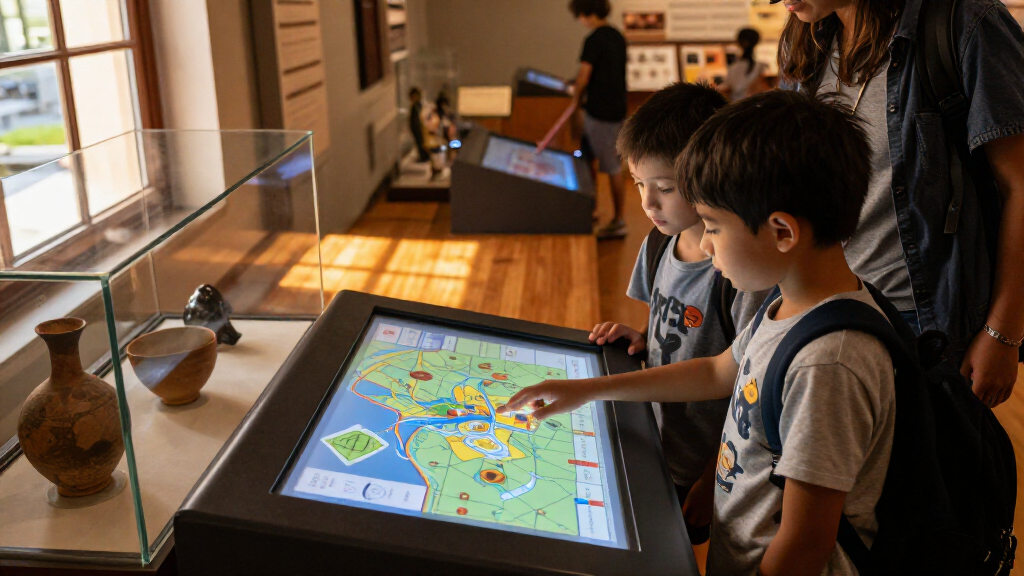
IdeaNavigator AI proposes testing a done-for-you package of browser-based learning games for small museums, built from each museum’s collection and aimed at school groups and families. The proposal is a business concept, not a report of a launched product or measured results; it suggests piloting with three museums and tracking visitor and booking data.
IdeaNavigator AI’s proposal outlines a low-cost, done-for-you package of browser-based learning games for small museums, designed to turn their collections into activities for school groups and families. The concept is still at the validation stage: the proposal reports no product launch, participating museums or measured results.
In its proposal, IdeaNavigator AI identifies the prospective customer as a director or sole educator at a small history, art or science museum, typically operating on an annual budget below $250,000 and hosting school groups and families. The proposal says these museums may rely on worksheets reused for years, while families can move through exhibits quickly. These are the proposal’s descriptions of a potential problem, not independently reported findings.
Under the proposed package, a museum would provide collection photographs, exhibit labels and object records. IdeaNavigator AI says a provider would then create a browser-based quest within two weeks, with three formats: a school-group hunt organized by grade band and aligned to state standards, a family quest and a 10-minute solo trail. The proposal also includes educator review, a basic tool for replacing objects when exhibits change, a printable alternative and visit analytics.
IdeaNavigator AI proposes a fixed-price build intended to fit a small grant budget, plus an annual hosting and content-refresh fee. The proposal names regional museum associations as potential group buyers. To test demand, it recommends creating games for three museums at cost, tracking school bookings, family dwell time and repeat visits over one term against the same term a year earlier, and checking whether two museums would seek paid refreshes in their next grant applications.
Learning games for small museums A proposal awaiting its first pilot
IdeaNavigator AI proposes browser-based games built from museum collections for school groups and families. No product launch, participating museums or measured results are reported.
What the package could include
Museums would provide collection photos, exhibit labels and object records.
A guided exhibit hunt
Organized by grade band and intended to align with state standards.
A family quest
A browser-based activity built around the museum’s collection.
A short trail
A proposed 10-minute activity for exploring exhibits independently.
How a pilot might work
The proposal suggests testing the service with three museums over one term.
Create quests for three small museums using their collection materials.
Compare school bookings, family dwell time and repeat visits with the same term a year earlier.
Ask whether two museums would seek paid content refreshes in future grant applications.
Proposed business model
The package is designed as a grant-sized service, though no price or funding is confirmed.
- Collection photos and object records
- Exhibit labels and educator review
- Fixed-price game build
- Annual hosting and content refresh
- Printable alternative and visit analytics
What remains unproven
The proposal describes a concept and a test plan, not established results.
| Question | What is reported |
|---|---|
| Has a product launched? | No launch is reported. |
| Are museums participating? | No participating museums are named. |
| Are there measured results? | No visitor or booking outcomes are reported. |
| Are price and privacy settled? | No price or analytics safeguards are specified. |
Testing a Low-Cost Museum Tool
The concept targets a practical constraint for small museums: staff may have limited time to create and maintain digital activities, while custom development can be beyond an education budget. If a package could turn existing collection information into usable activities without requiring an app download, it might offer a more manageable way to support visits by school groups and families.
Its value is not established yet. The measures proposed by IdeaNavigator AI could help participating museums and a provider judge whether the games are associated with changes in bookings, time spent in galleries or return visits. A single-term comparison with the previous year would be an early test, but would not by itself prove that a game caused any change. Staffing, school schedules, exhibitions and other factors could also affect those figures.
The proposal links the idea to grant-funded education work. A fixed-price project could be easier to budget for than an open-ended custom build, but affordability, grant eligibility and purchasing decisions will depend on each museum and funding program.
Products Worth Considering

Apple AirPods Pro (2nd Generation) Wireless Earbuds with USB‑C Charging, Up to 2X More Active Noise Cancelling, Transparency Mode, Adaptive

LG UltraGear 27-inch QHD OLED Gaming Monitor, 240Hz

Jackery Explorer 300 Portable Power Station with 40W Solar Panel
As an affiliate, we earn on qualifying purchases.
Grant Timing and Museum Budgets
According to IdeaNavigator AI’s proposal, the opportunity is timely because the Institute of Museum and Library Services announced FY2026 Inspire Grants for Small Museums on Sept. 9, 2026, funding 88 museums for educational programs and exhibits. The proposal also points to uncertainty around future federal support: it says the President’s FY2027 budget again proposed eliminating IMLS and describes the FY2027 National Leadership Grants deadline as tentatively set for Nov. 13, 2026.
These details are presented in the proposal to support its argument that museums may be looking for low-cost, grant-sized projects. They do not establish that the proposed product has received a grant, is endorsed by IMLS or has been selected by any museum. The proposal also refers to an April 2026 court settlement that it says left the agency intact, but provides no further details about that settlement.
Demand and Results Remain Untested
IdeaNavigator AI reports no pilot and names no participating museums, provider, product price or launch schedule. The proposal does not explain how the two-week delivery target would work across collections of different sizes, how educator review would be arranged or how alignment with state standards would be checked.
The suggested comparison measures are plans, not outcomes. IdeaNavigator AI reports no figures for visitor dwell time, bookings, repeat visits, staff workload or willingness to pay. The proposal also does not specify how visitor analytics would be collected or what privacy safeguards would apply. Those points would need to be settled before museums could judge the package’s cost and practical fit.
A Three-Museum Pilot Would Test Fit
IdeaNavigator AI proposes building quests for three small museums at cost and assessing them over one term. Its suggested pilot would compare school-group bookings, family dwell time and repeat visits with the same term in the prior year, then ask whether at least two museums would include a paid content refresh in a future grant application.
The proposal gives no timetable for the pilot. Until museums participate and results are reported, the concept remains an unvalidated product proposal, rather than evidence that learning games increase attendance or repeat visits.
Source: IdeaNavigator AI proposal
Key Questions
Has a learning-game product launched?
No launch is reported. IdeaNavigator AI’s proposal describes a package that would be tested with three small museums.
What would the proposed package include?
According to the proposal, it would include a browser-based school-group hunt, a family quest and a short solo trail, along with educator review, a basic content editor, a printable fallback and visit analytics.
Are there results showing the games improve visits?
No results are available. IdeaNavigator AI recommends tracking bookings, family dwell time and repeat visits during a pilot, but reports no completed test or measured impact.
How would the service be funded?
The proposal suggests a fixed-price build and an annual hosting and refresh fee, potentially supported through a museum grant. It gives no price or confirmed funding source.
Source: IdeaNavigator AI