
TL;DR

Get business pricing on tech for your team
- Business-only prices and quantity discounts
- Tax-exempt purchasing
- Multiple users, one account, clear invoices
The shipbuilding town of Imabari is experiencing a severe labor shortage as demand for vessels increases. To address this, companies are recruiting foreign workers and deploying AI technologies. The development highlights Japan’s broader industry challenges and efforts to modernize.
Imabari, Japan’s key shipbuilding city, is confronting a severe labor shortage as vessel production ramps up, prompting companies to recruit foreign workers and adopt AI technologies to sustain growth.
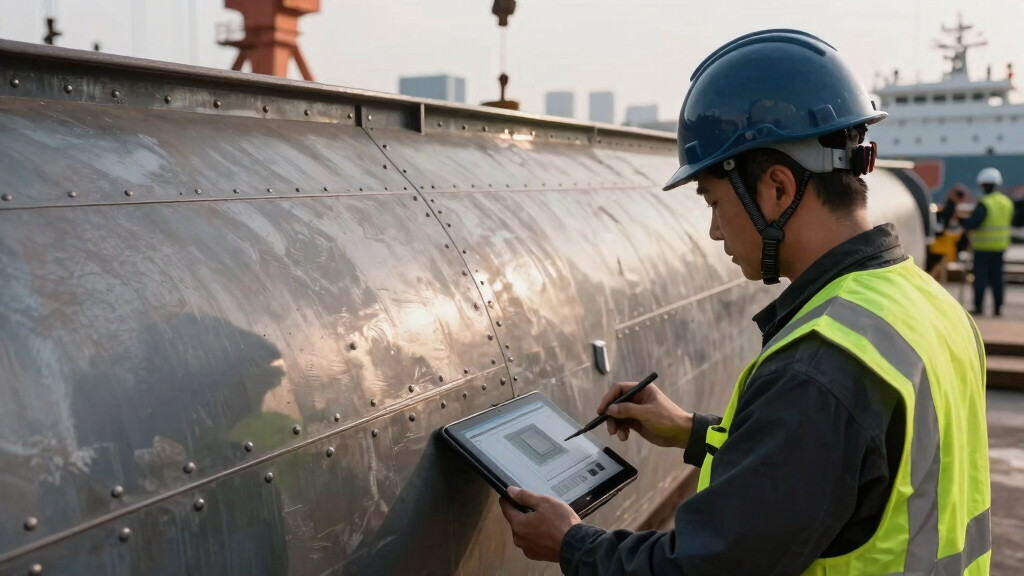
The shipbuilding industry in Imabari is experiencing increased demand for vessels, but local labor shortages are hindering production. To address this, companies are recruiting workers from overseas, including skilled laborers from other Asian countries, according to industry sources.
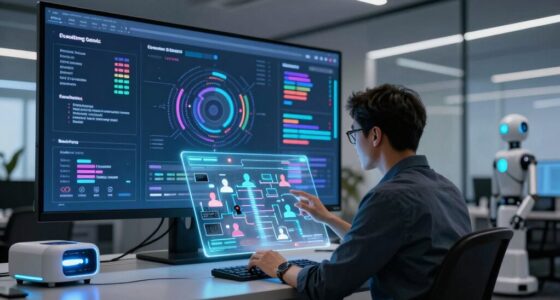
In addition to foreign recruitment, firms are integrating artificial intelligence and digital automation into their manufacturing processes. These technologies aim to compensate for the shrinking domestic workforce, improve efficiency, and reduce reliance on aging labor pools, as reported by local industry officials.
Why It Matters
This development underscores Japan’s broader economic challenge of aging populations and shrinking domestic workforces, which threaten traditional manufacturing sectors like shipbuilding. The adoption of AI and foreign labor is crucial for maintaining industry competitiveness and meeting rising global demand for vessels.
It also highlights a shift towards more globalized and technologically advanced manufacturing practices in Japan, with potential implications for labor policies and industry standards.
industrial automation robotic welding tools
As an affiliate, we earn on qualifying purchases.
As an affiliate, we earn on qualifying purchases.
Background
Japan’s shipbuilding industry has historically been a major global player, but recent years have seen a decline in domestic workforce numbers due to demographic shifts. The city of Imabari, known for its shipbuilding yards, has faced labor shortages for several years, which have now intensified with increased vessel orders.
Previous efforts to attract younger Japanese workers have been insufficient, prompting companies to look abroad and invest in automation. This aligns with Japan’s broader strategy to address labor shortages across various manufacturing sectors.
“We are actively recruiting skilled workers from overseas to fill our labor gap, and AI is helping us maintain production levels amid these shortages.”
— Yuki Tanaka, CEO of Imabari Shipbuilders
“Imabari’s move to incorporate AI and foreign labor reflects Japan’s urgent need to modernize its manufacturing sectors to remain competitive globally.”
— Akiyo Saito, industry analyst
AI-powered manufacturing quality control systems
As an affiliate, we earn on qualifying purchases.
As an affiliate, we earn on qualifying purchases.
What Remains Unclear
It is not yet clear how sustainable these measures will be long-term, or how the local community will adapt to increased foreign labor and automation. The impact on domestic employment and industry standards remains under discussion.
shipbuilding automation equipment
As an affiliate, we earn on qualifying purchases.
As an affiliate, we earn on qualifying purchases.
What’s Next
Industry stakeholders plan to expand recruitment efforts and further integrate AI systems in the coming months. Monitoring will focus on the effectiveness of these strategies in alleviating labor shortages and maintaining vessel output targets.
foreign worker safety gear for industrial sites
As an affiliate, we earn on qualifying purchases.
As an affiliate, we earn on qualifying purchases.
Key Questions
How many foreign workers are currently employed in Imabari’s shipyards?
The exact number is not publicly confirmed, but industry sources indicate a growing recruitment trend from neighboring Asian countries.
What types of AI technologies are being implemented?
Automation for welding, assembly, and quality control processes are among the AI applications being tested to improve efficiency.
Are there any concerns about integrating foreign workers and AI?
Some industry experts and local communities have expressed concerns over cultural integration, job security for Japanese workers, and the reliability of AI systems, but specific impacts are still being evaluated.
Will these measures be enough to meet future demand?
It remains uncertain whether recruiting foreign workers and deploying AI will fully bridge the labor gap, especially as demand continues to grow globally.
Source: Nikkei Asia
Evergreen bestsellers Picks
bestsellers
As an affiliate, we earn on qualifying purchases.