
For most everyday AI tasks like voice recognition, photo tagging, or simple data analysis, a standard CPU or GPU works just fine and is cost-effective. You generally don’t need the specialized power of an NPU unless you’re dealing with high-volume or complex neural network workloads. Upgrading hardware for NPU support can be expensive and sometimes incompatible with older devices. Want to find out when investing in an NPU makes sense? Keep exploring to learn more.

Get tech for your team delivered free — and shop member deals
- Fast, free delivery on millions of items
- Access to Prime Big Deal Days deals on October 6–7
- Prime Video, Amazon Music and more included
Key Takeaways
- Basic AI tasks like voice recognition and photo tagging are effectively handled by standard CPUs and GPUs.
- Upgrading to an NPU is often costly and unnecessary for casual or small-scale AI applications.
- NPUs provide significant benefits for high-volume, complex neural network processing, not routine tasks.
- Compatibility and integration challenges may outweigh benefits for existing hardware setups.
- For lightweight AI tasks, investing in an NPU typically does not justify the cost or effort.
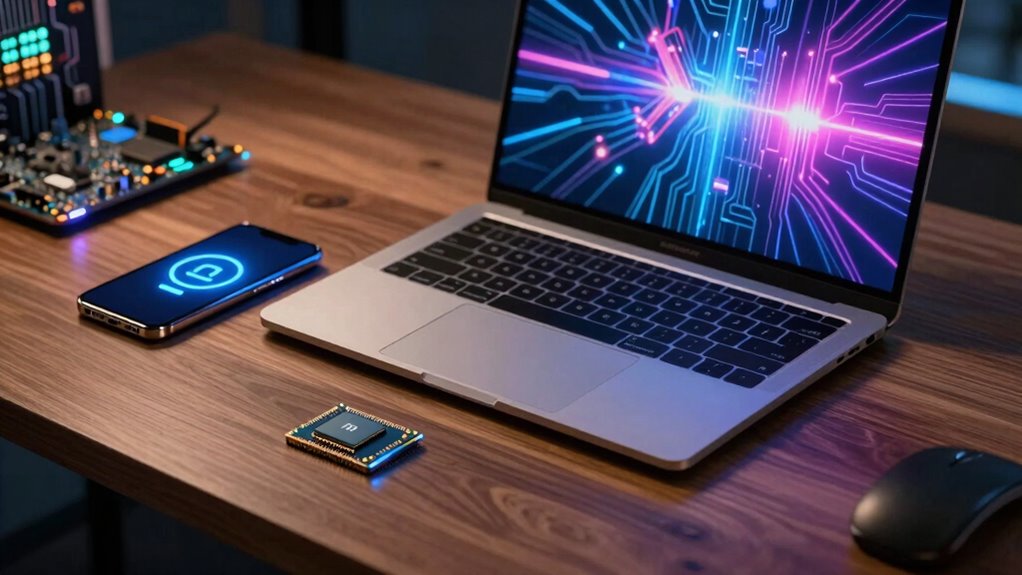
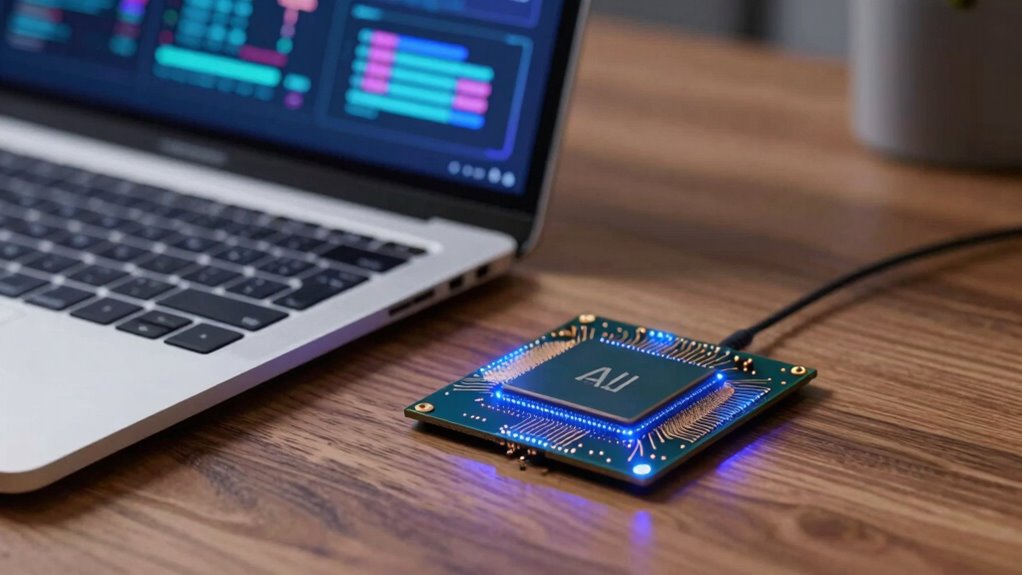
Artificial intelligence has become a staple in our daily lives, but you might wonder if you really need specialized hardware like a Neural Processing Unit (NPU) to handle those tasks. The answer depends on what you’re trying to achieve and how you’re using AI. For basic tasks like voice recognition, photo tagging, or simple data analysis, your standard CPU or GPU can usually handle the workload effectively. These processors are versatile, widely compatible with various software, and sufficient for most everyday AI needs. In fact, for casual users or small-scale applications, investing in an NPU might not offer enough benefits to justify the extra cost.
When it comes to cost efficiency, many people overlook that traditional hardware options often come bundled with their devices or existing infrastructure. Upgrading to an NPU can be expensive, especially if your current hardware isn’t compatible or if you need to replace entire systems to utilize the new chip. Compatibility is a key consideration—while newer devices may support NPU integration, older hardware might not, forcing you to buy new equipment altogether. If your AI tasks are occasional or lightweight, the added expense of specialized hardware may not produce noticeable improvements in speed or power consumption, making it an inefficient investment.
However, if you’re dealing with high-volume AI workloads, real-time processing, or complex neural network models, an NPU can bring tangible advantages. These chips are engineered to optimize AI-specific calculations, which can lead to faster processing times and lower energy demands. This efficiency can translate into cost savings over time, especially in large-scale applications like data centers or AI-driven products. Additionally, advancements in AI hardware acceleration continue to improve compatibility and performance, making future upgrades more feasible. As AI hardware becomes more sophisticated, the integration process is also becoming more streamlined, reducing potential barriers for adoption. Furthermore, performance enhancements offered by NPUs can significantly benefit specialized tasks that require intensive neural network computations. Moreover, ongoing developments in hardware compatibility are easing the transition for many users. It’s also worth noting that the cost of upgrading hardware can be a significant factor for those considering an NPU, especially in existing setups. Still, even in these scenarios, you should evaluate whether your existing hardware supports the NPU or if a significant overhaul is necessary. Compatibility issues can lead to additional costs and integration challenges.
As an affiliate, we earn on qualifying purchases.
Frequently Asked Questions
Can I Upgrade My Current CPU to Improve AI Performance?
Yes, upgrading your CPU can boost AI performance, but you should consider hardware compatibility first. A more powerful CPU can handle some AI tasks better, yet it might not match the efficiency of specialized hardware like NPUs. Keep in mind, a higher-performance CPU could increase power consumption, so make certain your system’s power supply can handle the upgrade. Balancing performance gains with energy use is key for maximum results.
How Does an NPU Differ From a GPU for AI Tasks?
An NPU blows a GPU out of the water for AI tasks, focusing solely on neural processing with incredible efficiency! While a GPU handles a broad range of graphics and computations, an NPU is specialized for hardware acceleration of neural networks, making AI tasks lightning-fast. You get optimized performance, lower power consumption, and smoother AI experiences. So, if AI is your daily game, an NPU is your ultimate secret weapon!
Are There Specific AI Applications That Absolutely Require an NPU?
You don’t always need an NPU for AI applications, but it’s essential when AI versatility demands real-time processing and energy efficiency. Specific AI tasks, like advanced facial recognition or autonomous vehicle navigation, benefit from an NPU’s hardware compatibility and specialized architecture. These tasks require rapid data handling and low latency, which an NPU provides better than general-purpose GPUs, making it indispensable for high-performance, mission-critical AI applications.
What Are the Cost Implications of Integrating an NPU?
Integrating an NPU can cost you between $50 to $500, depending on the model and capabilities. A recent market analysis shows NPUs are becoming 30% more available each year, but the cost comparison with traditional CPUs or GPUs remains significant. You’ll need to weigh the benefits of faster AI processing against these expenses, especially as market availability expands, making NPUs more accessible and affordable over time.
How Future-Proof Is an NPU for Evolving AI Workloads?
An NPU can be quite future-proof for evolving AI workloads because AI hardware advancements are rapid, but NPUs are designed with flexibility in mind. They often support updates and new algorithms, helping you avoid quick technological obsolescence. However, as AI demands grow, staying adaptable means regularly evaluating your hardware’s capacity to handle new workloads. Overall, an NPU provides a good balance of performance and future-proofing for evolving AI needs.
As an affiliate, we earn on qualifying purchases.
Conclusion
In the end, whether you need an NPU depends on your daily AI demands. For most casual users, traditional CPUs and GPUs handle tasks efficiently, with only about 10% of AI workloads requiring specialized hardware. If your AI needs are simple, investing in an NPU might be unnecessary. However, as AI applications grow more complex, having the right hardware can make a noticeable difference in performance and efficiency—so consider your specific use case carefully.
AI neural network processing unit
As an affiliate, we earn on qualifying purchases.
As an affiliate, we earn on qualifying purchases.
AI hardware upgrade for data analysis
As an affiliate, we earn on qualifying purchases.
As an affiliate, we earn on qualifying purchases.
Fall Picks
fall essentials
As an affiliate, we earn on qualifying purchases.