📊 Full opportunity report: Vertigo relief app on IdeaNavigator AI — validation score, market gap, and execution plan.
TL;DR
Developers are creating a vertigo relief app designed for self-management of BPPV, leveraging smartphone sensors and guided exercises. It aims to reduce reliance on specialist visits and improve patient outcomes. Validation is underway through targeted user testing and clinician outreach.
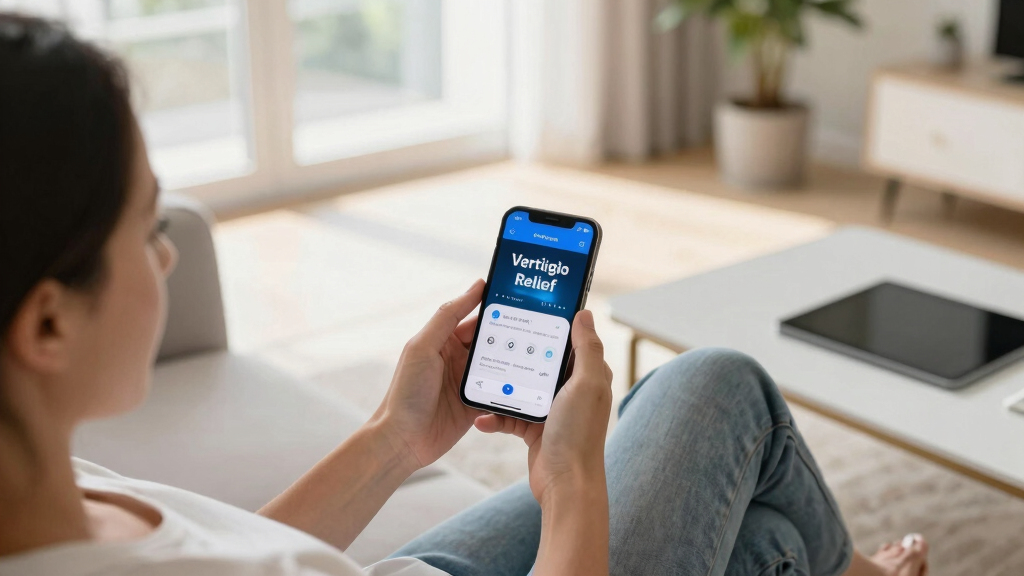
A vertigo relief app is under development to guide adults suffering from recurrent benign paroxysmal positional vertigo (BPPV) through repositioning maneuvers at home. The app aims to address long-standing barriers to effective self-treatment, such as difficulty performing maneuvers correctly and limited access to specialist care. For more on how apps can support self-management, see The Question No To-Do App Can Answer. This initiative is supported by plans for clinical validation and potential integration into ENT and physiotherapy practices.
The app is designed for iOS and Android devices and will include features such as screening for BPPV candidacy, animated step-by-step guides for maneuvers like Epley and Brandt-Daroff, and real-time gyroscope-based feedback to ensure correct head positioning. It will also log dizziness episodes, triggers, and symptom severity over time, providing users and clinicians with valuable data for managing the condition.
Developers plan to test the app through a combination of targeted advertising to vertigo sufferers, measuring signups, and user completion rates of the maneuver guidance. They also aim to validate demand among ENT, audiology, and physiotherapy clinics by offering trial licenses and collecting feedback from healthcare providers on recommending the app for between-visit home care. They also aim to validate demand among ENT, audiology, and physiotherapy clinics by offering trial licenses and collecting feedback from healthcare providers on recommending the app for between-visit home care. The app will carry disclaimers emphasizing it is not a substitute for professional medical advice.
Potential Impact on Vertigo Self-Management
This app could significantly improve self-treatment outcomes for BPPV sufferers, who often face long wait times for specialist care and struggle with static diagrams. By providing guided, real-time feedback, the app may reduce incorrect self-treatment, decrease relapse rates (which occur in roughly half of cases), and enable patients to resume daily activities more quickly. Its integration into clinical workflows could also streamline patient management and reduce healthcare costs.

DizzyFIX Vertigo Relief Trainer for Benign Paroxysmal Positional Vertigo or BPPV, Inner Ear Balance Device for Particle Repositioning Maneuver, Non-Drug Solution & Relieves Dizziness
- Regains Inner Ear Balance: Helps reduce vertigo and dizziness
- Non-Invasive & Drug-Free: Safe, cost-effective BPPV treatment
- Portable & Lightweight: Use at home, work, or travel
As an affiliate, we earn on qualifying purchases.
As an affiliate, we earn on qualifying purchases.
Growing Market and Technological Advances in Vestibular Care
The digital therapeutics market for vestibular disorders was valued at approximately USD 498 million in 2024 and is projected to grow at a compound annual growth rate (CAGR) of about 13.5% through 2033. The shift toward telehealth and home-based rehabilitation, accelerated by COVID-19, has increased acceptance of digital health solutions. Smartphone sensors now enable accurate motion tracking, making real-time guidance feasible for self-administered maneuvers, which previously relied on static diagrams and patient memory.
Current efforts focus on validating digital tools for BPPV management, with the proposed app aiming to fill a gap in accessible, guided self-care options supported by healthcare providers.
“The app’s guided approach, using real-time gyroscope feedback, could improve the accuracy of self-administered maneuvers and reduce relapse rates.”
— an anonymous researcher

Halo Rejuvenator® Active Traction Cervical Rehabilitation Device, 1 lb, Neck Muscle Strengthening and Mobility, Improves Upper Body Posture via Sensorimotor Training
- Design: 1 lb balanced neck traction device
- Rehabilitation: Helps recover from cervical injuries
- Pain Relief: Reduces tension and migraines
As an affiliate, we earn on qualifying purchases.
As an affiliate, we earn on qualifying purchases.
Unconfirmed Aspects and Validation Challenges
It remains unclear how quickly the app will be validated for widespread clinical use, or how effectively it will perform across diverse patient populations. The success of user engagement and adherence, as well as clinician acceptance, are still to be demonstrated through ongoing testing and pilot studies. Additionally, regulatory approval processes for digital therapeutics are evolving and may influence deployment timelines.

Oumua Smart Breathing Trainer with App, AI Guided Breath Workout with 6 Resistance Levels, Build Stamina and Breath Control for Running, Swimming, Singing and Relaxation (White)
- Smart AI Breathing Trainer: Wireless, app-connected with real-time feedback
- Six Resistance Levels: Adjustable airflow for all skill levels
- Extensive App Programs: Over 30 programs for fitness and relaxation
As an affiliate, we earn on qualifying purchases.
As an affiliate, we earn on qualifying purchases.
Next Steps in App Development and Clinical Testing
Developers plan to launch a lightweight landing page and run targeted ads to vertigo-related search terms to gauge interest and collect early user feedback. They will also approach ENT, audiology, and physiotherapy clinics to pilot the app in real-world settings, gathering data on usability, effectiveness, and clinician willingness to recommend it. Further refinement of features and regulatory considerations will follow based on initial validation results.

As an affiliate, we earn on qualifying purchases.
Key Questions
How does the app guide users through repositioning maneuvers?
The app provides animated step-by-step instructions, audio cues, and real-time gyroscope-based feedback to ensure correct head positioning during maneuvers like Epley and Brandt-Daroff.
Is the app intended to replace medical consultation?
No, the app is designed as a supplementary tool for home use and will include disclaimers emphasizing it is not a substitute for professional medical advice. Red-flag symptoms should always prompt consultation with a healthcare provider.
Will healthcare providers be able to recommend or customize the app for their patients?
Yes, the plan includes a B2B licensing model where clinics can white-label or recommend the app for patient use between visits, integrating it into their care protocols.
When could this app become available for wider use?
Initial testing and validation are expected over the next 12-18 months, with potential for broader release depending on pilot outcomes and regulatory approval processes.
What are the main benefits of using a smartphone-based app for vertigo management?
It offers guided, accurate repositioning exercises at home, reduces the need for frequent clinic visits, and provides symptom tracking to inform ongoing care.
Source: IdeaNavigator AI