
TL;DR
Thorsten Meyer AI reported that a viral Polymarket trade strategy based on catching stale crypto market orders lost money in simulated testing. Across about 13,000 windows on BTC, ETH, SOL and XRP, the rare double-fill event happened only three times in 9,486 paired-switch attempts.
Thorsten Meyer AI reported Thursday that a viral Polymarket crypto strategy promoted after a $2-to-$50 trade did not hold up in testing, losing money across about 13,000 simulated market windows on BTC, ETH, SOL and XRP.
The test examined a trade seen in a YouTube video on Polymarket’s five-minute BTC Up/Down market. The original example involved buying both sides at 2 cents each, meaning that if both orders filled, the winning side would redeem at $1 per share and lock in a profit regardless of market direction.
According to Thorsten Meyer AI, the key condition almost never appeared. In the paired-switch version, both sides filled only 3 times in 9,486 attempts, or 0.032%. The loser-only side filled 1,297 times, creating what the report described as the main source of losses. The paper result for that version was negative $280.
A second version, called winner-snipe-postclose, tried to bid only on the side that appeared to have won after the market closed. That test produced 8 fills from 3,482 posts, according to the report. Of the four fills that had settled when the article was published, all four lost because the price feed used by the bot did not always match Polymarket’s final resolution timing.
Why It Matters
The report matters because it tests whether a viral example was a repeatable trading strategy or a rare market accident. The finding was that the apparent edge depended on stale liquidity and timing errors by other traders or bots, but those events were too rare to offset routine losses from partial fills.
For readers tracking prediction markets, automated trading or crypto market content, the result is a warning about extrapolating from a single verified trade. The original 50x outcome may have been real, but Thorsten Meyer AI’s test found that repeating the setup at scale produced losses in simulation.

The Automated Cryptocurrency Trading – CREATING CRYPTOCURRENCY TRADING BOT: How anyone can make money trading with Python code. Easy step by step guide … in blockchain. (Crypto Investment)
As an affiliate, we earn on qualifying purchases.
As an affiliate, we earn on qualifying purchases.
Background
Polymarket’s five-minute crypto markets resolve in binary fashion: one side pays $1 per share and the other pays zero. The trade that drew attention appeared attractive because filling both Up and Down orders at 2 cents each would make the final direction irrelevant.
The report says the opportunity came from stale liquidity near market close, when a resting order remained available after the result was effectively known. The YouTuber whose video prompted the test said in that video that results would take time because the event was rare, according to the source material.
Thorsten Meyer AI said it rebuilt the strategy inside Polybot in two forms and ran it with simulated money only. The report states that no real funds were used and that the findings should not be treated as financial advice.
“The viral strategy does not work.”
— Thorsten Meyer AI
“The double-fill — the event the entire strategy depends on — happened 3 times in 9,486 attempts.”
— Thorsten Meyer AI
“this is going to take time because this is a rare event”
— The YouTuber cited in the report

The No-BS Guide to Prediction Market Arbitrage: AI-Powered Strategies for Polymarket & Kalshi — Find Arbitrage, Manage Risk & Profit from Real-World Events … Code (The No-BS AI Playbooks Book 5)
As an affiliate, we earn on qualifying purchases.
As an affiliate, we earn on qualifying purchases.
What Remains Unclear
The report is based on simulated trading, not live capital deployment, and the article does not establish whether results would change under different infrastructure, latency, order sizing or market conditions. It is also unclear from the source material how the strategy would perform over a longer period or during unusually volatile market closes.
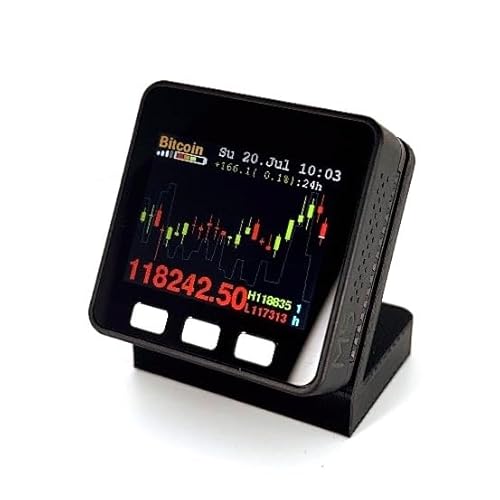
Crypto Gift Price Display – Real-Time Desktop Stock & Crypto Candlestick Charts – Live Market Data Ticker – Customizable – Multiple Finishes & Battery Options – Track SPY TSLA BTC ETH Doge
- Market Display: Real-time stock and crypto charts
- Customizable LCD: Adjust settings via WiFi setup
- Asset Monitoring: Track up to 25 assets
As an affiliate, we earn on qualifying purchases.
As an affiliate, we earn on qualifying purchases.
What’s Next
The series is ongoing, so the next step is whether later tests examine different Polymarket mechanics, better settlement timing or other bot designs. For now, the reported result is that both tested versions lost money in paper trading.

Crypto Currency Copy Trading: Maximizing Your Profit Through Social Trading
As an affiliate, we earn on qualifying purchases.
As an affiliate, we earn on qualifying purchases.
Key Questions
What was the actual news development?
Thorsten Meyer AI published a May 21, 2026 report saying a viral Polymarket trade strategy lost money when rebuilt and tested about 13,000 times with simulated funds.
Did the original viral trade really happen?
According to the source material, the original YouTube example showed real on-chain transactions, including a trade that turned $1 into $50. The new report does not dispute that trade; it says the result was not repeatable at scale in the test.
Why did the paired-switch version lose?
The strategy needed both sides of the market to fill at very low prices. Thorsten Meyer AI reported that this happened only 3 times in 9,486 attempts, while loser-only fills occurred 1,297 times.
Why did the post-close winner version fail?
The report says the bot’s price read shortly after close did not always match Polymarket’s official final resolution. That timing gap meant some supposedly winning bids were actually on the losing side.
Was real money used in the test?
No. Thorsten Meyer AI said the test used simulated money only and described the article as a paper-trading demonstration rather than financial advice.
Source: Thorsten Meyer AI