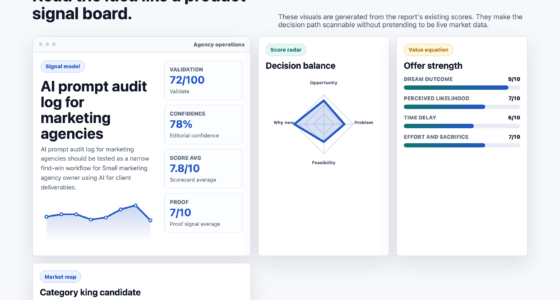
📊 Full opportunity report: How To Manage Voice Talent Rights In The AI Marketplace on IdeaNavigator AI — validation score, market gap, and execution plan.
TL;DR
A licensing platform for voice actors’ AI clones is being tested to create structured, enforceable rights management. This development responds to legal and industry demands for better control over synthetic voice use.
A new licensing platform designed specifically for voice actors to manage rights for their AI clones is currently in testing. This initiative aims to create a structured, auditable process for licensing synthetic voices, addressing a critical gap as AI voice technology becomes commercially viable and legal concerns grow. The platform’s goal is to enable voice actors to set clear usage terms, approve projects, and track payments, moving away from ad hoc arrangements.
The platform, developed by an unnamed team, allows voice actors to create license listings specifying permitted use cases, banned categories, and project-specific rates. Buyers can then submit project requests, which voice actors can approve or reject with a single click, with all approvals logged for audit purposes. This process aims to bring transparency and enforceability to licensing agreements for AI-generated voice content.
According to sources involved in the testing, the platform will generate revenue through a percentage commission on each approved licensing transaction. The initial validation plan involves recruiting ten voice actors with existing AI clones, routing five real project requests through the system, and measuring whether they would prefer to use it for paid deals. This approach seeks to demonstrate the platform’s viability and market acceptance.
Legal and Industry Implications of Structured Licensing
This development is significant because it addresses an urgent need in the rapidly expanding AI voice market: a standardized, enforceable rights management system. As AI voice cloning becomes more commercially widespread, legal and contractual concerns about consent, scope, and compensation are intensifying. The platform could set a precedent for how voice talent rights are managed in synthetic voice projects, potentially influencing industry standards and legal frameworks.
AI voice cloning licensing platform
As an affiliate, we earn on qualifying purchases.
As an affiliate, we earn on qualifying purchases.
Growing Legal and Commercial Pressures on Synthetic Voice Rights
AI voice cloning technology has advanced rapidly, making it feasible for voice actors to create digital replicas of their voices for commercial use. However, current licensing practices are often informal, relying on emails or verbal agreements that lack enforceability and transparency. Recent legal attention from unions and regulators emphasizes the importance of clear consent, scope, and compensation for synthetic voices, creating a pressing need for structured licensing solutions. The proposed platform responds to this environment by offering a formal process for rights management.
“This licensing hub could be a game-changer for voice actors seeking control over how their AI voices are used and compensated.”
— an industry insider
voice talent rights management software
As an affiliate, we earn on qualifying purchases.
As an affiliate, we earn on qualifying purchases.
Uncertainties Surrounding Platform Adoption and Legal Impact
It is not yet clear how quickly voice actors will adopt this licensing system or whether it will gain traction among AI voice buyers. Additionally, the legal enforceability of the licensing terms set through this platform remains to be tested in courts or regulatory contexts. The long-term impact on industry standards and legal frameworks is still uncertain as the platform is in the testing phase.
As an affiliate, we earn on qualifying purchases.
Next Steps for Validation and Industry Adoption
The developers plan to recruit ten voice actors with existing AI clones to test the platform by routing five real project requests. The success of this pilot will determine whether the system can be scaled and adopted more broadly. Further development will focus on refining licensing terms, enhancing user experience, and engaging industry stakeholders to encourage adoption.
voice actor rights tracking system
As an affiliate, we earn on qualifying purchases.
As an affiliate, we earn on qualifying purchases.
Key Questions
How will this licensing platform improve rights management for voice actors?
The platform provides a structured, auditable process for setting use terms, approving projects, and tracking payments, replacing informal arrangements with enforceable licenses.
Will this system be legally binding?
The platform aims to create legally enforceable licensing agreements, but their enforceability will depend on legal validation and jurisdictional factors.
Can voice actors set specific restrictions on how their AI voices are used?
Yes, the platform allows voice actors to specify permitted use cases, banned categories, and project-specific rates within their license listings.
What is the revenue model for the licensing platform?
The platform will earn a percentage commission on each approved licensing transaction.
When will this licensing system be available for broader use?
The current phase involves testing with selected voice actors; wider availability depends on successful validation and industry acceptance.
Source: IdeaNavigator AI