
TL;DR

Get business pricing on tech for your team
- Business-only prices and quantity discounts
- Tax-exempt purchasing
- Multiple users, one account, clear invoices
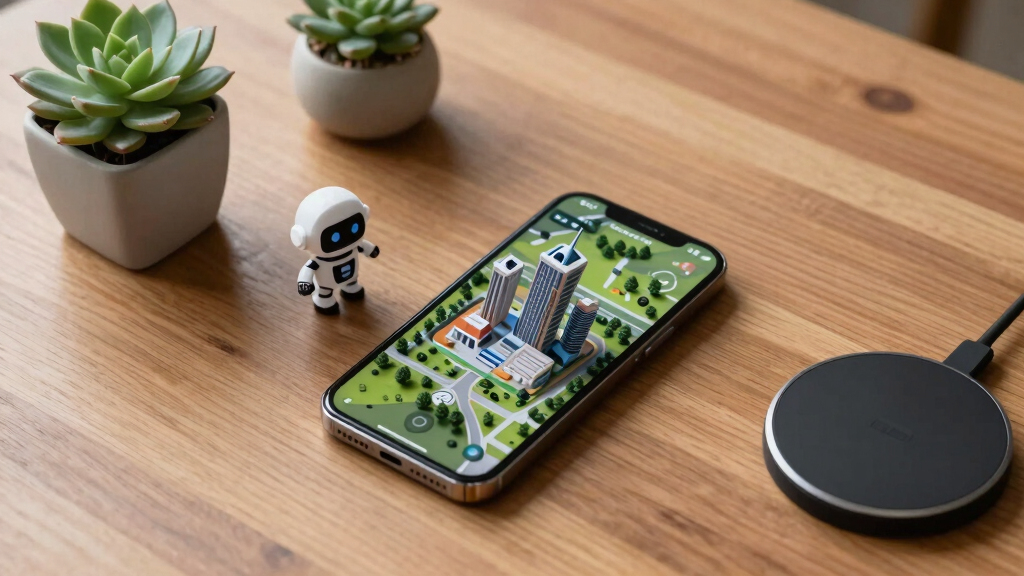
A university in Tokyo revealed plans to construct a new, AI- and robot-powered city within Tokyo by 2031. The project aims to showcase advanced urban technology and innovation, with details still developing.
A university in Tokyo has announced plans to develop a futuristic city within Tokyo that will be powered entirely by artificial intelligence and robotics technology, with a targeted completion date of fiscal 2031. The project aims to create a model of sustainable, high-tech urban living and innovation, positioning Japan at the forefront of smart city development.
The university, whose name has not been disclosed publicly, revealed plans to construct a dedicated urban enclave within the Tokyo metropolitan area. The development will feature autonomous transportation, AI-managed infrastructure, and robotic assistance across residential, commercial, and public spaces. The initiative is part of Japan’s broader strategy to leverage advanced technology for urban sustainability and economic growth.
Officials involved in the project stated that the city within a city will span several square kilometers, integrating seamlessly with Tokyo’s existing infrastructure. The university emphasized that the project will serve as a testbed for next-generation urban solutions, with pilot programs expected to begin in the early 2030s. Specific technological partners and funding sources remain undisclosed, but collaborations with tech firms and government agencies are anticipated.
Why It Matters
This development is significant because it represents Japan’s effort to lead in the global race toward smart city innovation. By creating a controlled environment to test and deploy AI and robotics at scale, the project could influence urban planning worldwide. Additionally, it underscores Japan’s commitment to technological advancement amid demographic challenges such as aging populations and urban congestion.
AI-powered smart city home automation devices
As an affiliate, we earn on qualifying purchases.
As an affiliate, we earn on qualifying purchases.
Background
Japan has been investing heavily in AI and robotics, with government initiatives like Society 5.0 promoting the integration of advanced technology into daily life. Several smart city projects have already been underway in Japan, but this new university-led development aims to push these efforts further by creating a dedicated, experimental urban environment. The announcement follows recent government policies encouraging private-public partnerships to accelerate technological innovation in urban spaces, as discussed in related articles.
“This project will serve as a living laboratory for the future of urban living, combining cutting-edge AI and robotics to create a sustainable, efficient city within Tokyo.”
— Professor Hiroshi Tanaka, lead researcher
“Our goal is to demonstrate how advanced technology can improve quality of life and urban sustainability, setting a new standard for smart cities globally.”
— University spokesperson
robotic assistance for home and office
As an affiliate, we earn on qualifying purchases.
As an affiliate, we earn on qualifying purchases.
What Remains Unclear
Details remain unclear regarding the specific location within Tokyo, the funding sources, and the timeline for construction milestones. It is also uncertain how the project will address regulatory, infrastructural, and social challenges associated with such a high-tech development.
autonomous transportation gadgets
As an affiliate, we earn on qualifying purchases.
As an affiliate, we earn on qualifying purchases.
What’s Next
Next steps include detailed planning and stakeholder engagement, with the university expected to release further project specifics later in 2026. For related developments, see this coverage. Pilot programs may commence in the early 2030s, with the full development targeted for completion by fiscal 2031.
smart infrastructure management tools
As an affiliate, we earn on qualifying purchases.
As an affiliate, we earn on qualifying purchases.
Key Questions
What is the main goal of the AI- and robot-powered city within Tokyo?
The main goal is to create a sustainable, efficient urban environment that demonstrates the capabilities of advanced AI and robotics, serving as a model for future smart cities worldwide.
Who is funding this project?
Funding sources have not been publicly disclosed. It is expected to involve a combination of university resources, government support, and private sector partnerships.
When will construction begin and what is the timeline?
Specific construction timelines are not yet confirmed, but the project aims for completion by fiscal 2031, with preliminary phases possibly starting in the early 2030s.
How will this project impact Tokyo residents?
The project aims to improve urban living through smarter infrastructure, but details on social integration and public access are still forthcoming.
Will this city within a city be open to the public?
It is expected to be a mixed-use development accessible to residents and businesses, but further details are pending.
Source: Nikkei Asia
Fall Picks
fall essentials
As an affiliate, we earn on qualifying purchases.