
TL;DR
Kioxia Holdings’ market capitalization surpassed 30 trillion yen ($188 billion) for the first time, fueled by investor enthusiasm for memory chips amid the AI boom. The surge reflects growing demand for NAND flash memory in AI applications.
Kioxia Holdings’ market capitalization exceeded 30 trillion yen ($188 billion) on Thursday, marking a new peak on the Tokyo Stock Exchange amid rising investor confidence linked to the global AI investment boom.
The surge in Kioxia’s market value was driven by a rally in its shares, which investors have been purchasing in anticipation of increased demand for NAND flash memory chips used in AI and data center applications. The company’s stock rose sharply following reports of strong earnings and positive outlooks from major AI-related technology companies, including American chipmaker Nvidia, which announced robust quarterly results on May 20, 2026. This has contributed to a broader rally in AI-related stocks across the market.
Kioxia, a leading Japanese memory chip manufacturer, is known for its NAND flash memory products, which are critical components in data storage devices, servers, and AI hardware. The company’s valuation crossing the 30 trillion yen mark reflects investor optimism about its future growth prospects amid a global surge in AI deployment and data infrastructure expansion. The company’s CEO, Kyohei Sugama, stated that the company is well-positioned to benefit from the increased demand for high-capacity, high-speed memory chips in AI and cloud computing sectors.
Why It Matters
This milestone is significant because it underscores the growing importance of memory chip manufacturers like Kioxia in the global AI ecosystem. As AI applications expand across industries—from autonomous vehicles to data centers—the demand for advanced memory solutions is expected to increase. Kioxia’s valuation surge signals strong investor confidence in its ability to capitalize on this trend, potentially influencing market dynamics and investment strategies in the semiconductor sector.
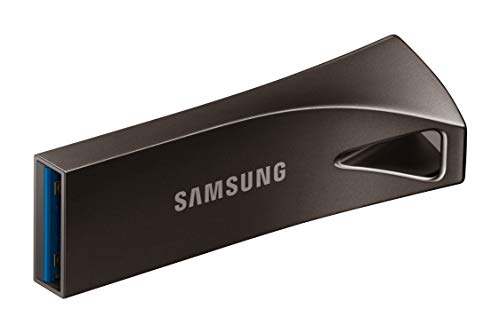
SAMSUNG BAR Plus 3.1 USB Flash Drive, 128GB, 400MB/s, Rugged Metal Casing, Storage Expansion for Photos, Videos, Music, Files, MUF-128BE4/AM, Titan Grey
- Fast Transfer Speeds: Up to 300 MB/s read speed
- Durable Metal Casing: Rugged, stylish, and protective
- Secure Keyring: Prevents loss and misplacement
As an affiliate, we earn on qualifying purchases.
As an affiliate, we earn on qualifying purchases.
Background
Kioxia, formerly a Toshiba subsidiary, has been a key player in the NAND flash memory market for years. Its stock price has experienced volatility, but recent developments in AI and data infrastructure investments have driven a sharp rally. The company’s valuation had been relatively stable until the recent market enthusiasm following Nvidia’s earnings report, which highlighted the booming demand for AI chips and related hardware components. The broader tech sector in Japan and globally has seen increased investor interest in companies aligned with AI and data center growth, further boosting Kioxia’s market cap.
“We are optimistic about the future as demand for high-capacity NAND flash memory continues to grow alongside AI innovations. Our position in this expanding market is stronger than ever.”
— Kyohei Sugama, CEO of Kioxia
“Kioxia’s crossing of the 30 trillion yen market cap threshold indicates strong investor confidence in the company’s role within the AI hardware supply chain, particularly as demand for NAND flash memory accelerates.”
— Market analyst at Nikkei Asia
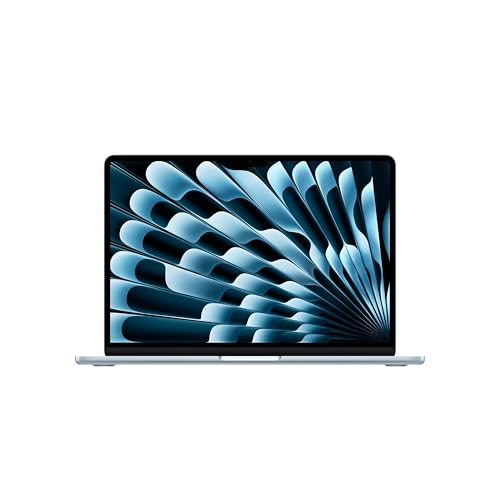
Apple 2026 MacBook Air 13-inch Laptop with M5 chip: Built for AI, 13.6-inch Liquid Retina Display, 24GB Unified Memory, 1TB SSD, 12MP Center Stage Camera, Touch ID, Wi-Fi 7; Sky Blue
- Designed for College and Beyond: Powerful M5 chip with AI capabilities
- Long Battery Life: Up to 18 hours of use
- Fast Performance: Enhanced CPU and unified memory
As an affiliate, we earn on qualifying purchases.
As an affiliate, we earn on qualifying purchases.
What Remains Unclear
It is still unclear how sustainable this market rally will be, especially if global economic conditions change or if chip demand shifts. The impact of potential supply chain disruptions or technological changes in memory chip manufacturing remains uncertain. Additionally, the exact future earnings trajectory of Kioxia in the context of AI-driven demand is still developing and subject to market fluctuations.

Intel SSDSC2BB480G701 Solid State Drive Data Center S3520 Series 480G SSD
- Product Family: Intel 3D NAND SSD family
- Data Integrity & Reliability: Ensures data integrity and consistent performance
- Power Efficiency: 35% more performance per watt
As an affiliate, we earn on qualifying purchases.
As an affiliate, we earn on qualifying purchases.
What’s Next
Next, Kioxia will likely focus on expanding production capacity and technological innovation to meet growing demand. Investors will be watching upcoming earnings reports and market trends to assess whether the company’s valuation can be sustained or further increased. Regulatory developments and global economic conditions will also influence its future performance.
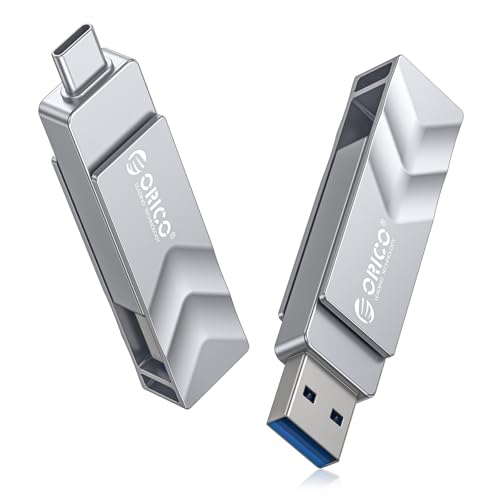
ORICO 128GB USB Flash Drive SSD, External TLC NAND Solid State Drive Up to 400MB/s Read, 300MB/s Write High Speed USB-C & USB-A Port,Metal Housing Swivel Design Compatible with iPhone 17, Android, PC
- High-Speed Data Transfer: Up to 400MB/s read, 300MB/s write
- Universal Compatibility: USB-C and USB-A ports for phones and PCs
- Durable Metal Construction: Zinc alloy housing with swivel design
As an affiliate, we earn on qualifying purchases.
As an affiliate, we earn on qualifying purchases.
Key Questions
What caused Kioxia’s market cap to surge now?
The surge was driven by investor optimism about increasing demand for NAND flash memory chips used in AI and data center applications, following strong earnings reports from AI-related companies like Nvidia.
How does Kioxia benefit from the AI boom?
Kioxia produces NAND flash memory chips essential for AI hardware, data storage, and cloud computing, positioning it to benefit from the expanding AI ecosystem.
Is this increase sustainable?
The sustainability of the rally depends on continued demand growth, global economic stability, and technological advancements. The market remains volatile and subject to change.
What are Kioxia’s future plans?
The company aims to expand production capacity, innovate in memory chip technology, and capitalize on the growing AI and data infrastructure markets.
Source: Nikkei Asia