
Telemedicine 2.0 leverages AI and advanced digital tools to revolutionize virtual healthcare. It enhances patient monitoring with real-time data from wearables, improves outcomes through predictive analytics, and streamlines care via hybrid models that combine in-person and virtual visits. These innovations boost accessibility, reduce costs, and foster personalized treatments. As technology continues to evolve, you’ll discover how these changes are shaping a more connected and efficient healthcare experience.
Key Takeaways
- AI-powered telehealth platforms enable real-time data collection, predictive analytics, and personalized treatment plans.
- Integration of wearable devices with telehealth systems enhances remote monitoring of chronic conditions.
- Hybrid care models combine virtual and in-person visits, improving accessibility and patient engagement.
- AI automates workflows like scheduling and documentation, increasing efficiency and reducing operational costs.
- Advanced data security measures address privacy concerns while expanding virtual healthcare access.
The Expanding Landscape of Telehealth Technologies
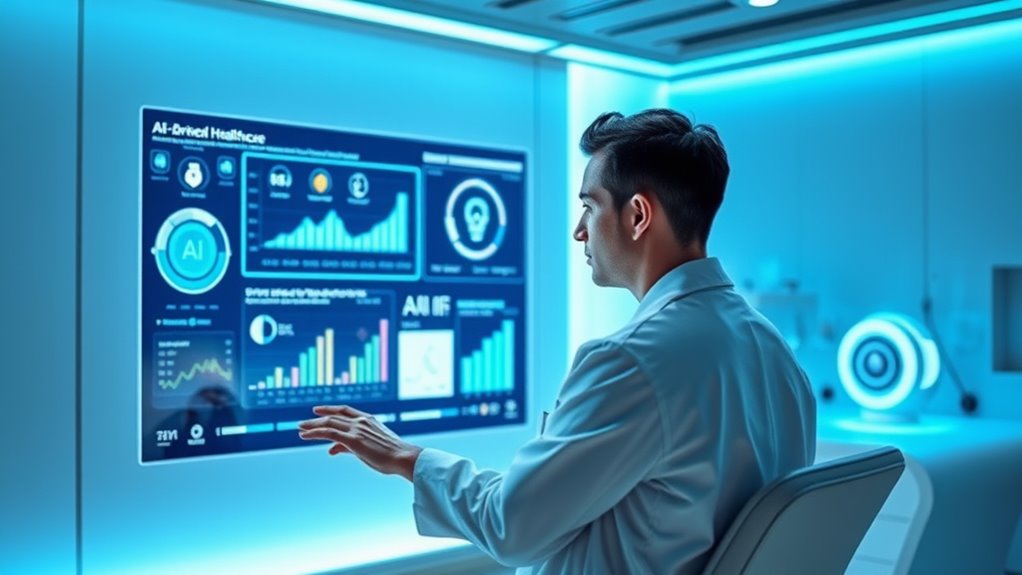
The landscape of telehealth technologies is rapidly expanding as innovative tools and platforms reshape healthcare delivery. You’ll find a surge in cloud-based AI telehealth platforms that offer scalability and accessibility, making it easier to connect patients and providers. Wearable devices now enable real-time monitoring of chronic conditions, feeding data directly into care systems. AI-powered triage tools and chatbots streamline patient intake, directing users to appropriate care levels swiftly. Interoperability between telehealth platforms and electronic health records eliminates data silos, improving care coordination. These advancements reduce administrative burdens and enhance efficiency, allowing providers to focus more on patient care. As technology evolves, you’ll see more hybrid care models combining virtual and in-person visits, making healthcare more flexible and patient-centered. Additionally, the integration of high-resolution imaging technology in telehealth tools allows for more accurate remote diagnostics and assessments. Incorporating standardized data protocols further enhances the seamless exchange of information across different systems, fostering a more cohesive healthcare ecosystem. Moreover, recognizing the importance of digital health literacy helps ensure that patients can fully benefit from these technological advancements. Furthermore, emphasizing emotional support and patient engagement is essential in delivering holistic virtual care, especially for individuals facing complex health challenges. As a result, these innovations contribute to a more patient-centered approach, improving outcomes and satisfaction.
How AI Enhances Patient Monitoring and Outcomes

Advancements in AI have revolutionized patient monitoring by enabling real-time, continuous data collection and analysis. This means you get immediate insights that can prevent complications and improve outcomes. Here are three ways AI boosts patient monitoring:
- Predictive analytics identify high-risk patients days before clinical deterioration, allowing proactive interventions. Vetted – Mother Baby Kids Incorporating holistic health approaches can further optimize patient outcomes by addressing physical, mental, and emotional health factors.
- Reduced hospital readmissions by up to 50%, saving costs and enhancing recovery.
- Enhanced chronic disease management with AI-powered platforms that track conditions like diabetes and hypertension, leading to measurable improvements such as HbA1c reductions.
Benefits of Hybrid Care Models in Modern Healthcare

Hybrid care models seamlessly combine in-person and virtual consultations, offering you greater flexibility and convenience. This approach makes healthcare more accessible, especially for those in rural or underserved areas. You can manage chronic conditions at home with remote monitoring, reducing the need for frequent hospital visits. It also minimizes wait times and streamlines appointment scheduling, saving you time and reducing frustration. For providers, hybrid models improve care coordination and patient engagement, leading to better health outcomes. You benefit from personalized treatment plans that adapt to your schedule and needs. Furthermore, hybrid care bridges gaps caused by geographic or socioeconomic barriers, ensuring more equitable access. Additionally, integrating AI trend insights can optimize content strategy and enhance your overall healthcare experience. Overall, this flexible approach enhances the quality of care while empowering you to take a more active role in your health management.
Operational Improvements and Cost Reductions Through AI

AI transforms healthcare operations by automating tasks like scheduling, documentation, and patient communication, saving time and reducing errors. This streamlining leads to significant cost savings and improved efficiency across clinical and administrative functions. As a result, you can focus more on patient care while lowering overall healthcare expenses. Additionally, implementing innovative medical tools such as smart waterwick and waterless planters demonstrates the broader trend of integrating technology to optimize healthcare environments. Recognizing the importance of passive voice detection and their interpretations can inspire innovative approaches to understanding subconscious signals in various fields, including healthcare technology development.
Streamlined Clinical Workflows
Streamlined clinical workflows are transforming healthcare by automating routine tasks and improving efficiency. You can see how AI reduces administrative burdens, allowing providers to focus more on patient care. Here are three ways AI enhances workflows:
- Automated documentation—AI transcribes and organizes notes instantly, saving hours and reducing errors. Incorporating AI-driven transcription can further improve accuracy and turnaround times. Additionally, integrating secure data handling ensures patient information remains protected during digital documentation processes. Implementing standardized protocols can help maintain consistency and compliance across healthcare settings.
- Intelligent scheduling—AI predicts appointment needs and optimizes calendars, minimizing patient wait times. This also reduces the risk of scheduling conflicts and enhances patient satisfaction.
- Streamlined communication—AI-powered chatbots handle patient inquiries and pre-visit screenings, ensuring timely responses. Implementing proper planning can help avoid potential compliance issues and protect patient data.
These innovations cut down manual work, reduce delays, and improve overall care delivery. By simplifying administrative tasks, AI helps you allocate more time to direct patient interactions, ultimately enhancing clinical efficiency and patient satisfaction. Ethical hacking techniques can also be employed to identify vulnerabilities in healthcare IT systems, ensuring patient data remains secure amidst increasing digital workflows.
Cost Savings and Efficiency
Have you noticed how telemedicine solutions are transforming healthcare costs and efficiency? AI-driven tools streamline workflows, automate administrative tasks, and reduce unnecessary hospital stays. With remote patient monitoring, you can catch complications early, preventing costly readmissions—saving millions. AI automates appointment scheduling, documentation, and patient communication, freeing up staff for direct care. Virtual consultations lower no-show rates and optimize provider time, making care delivery more efficient. These innovations shift care from expensive settings to more affordable home-based or outpatient environments without compromising quality. As a result, healthcare systems cut expenses profoundly, sometimes by millions, while improving patient outcomes. AI’s role in operational improvements ensures healthcare becomes more sustainable, accessible, and cost-effective for everyone involved. Additionally, integrating retail hours information can help patients find convenient times for in-person follow-ups or pick up prescriptions, further enhancing care efficiency. Recognizing the importance of telemedicine adoption can accelerate the integration of these technologies across diverse healthcare settings. Incorporating innovative remote monitoring devices can further enhance early detection and patient engagement, leading to better health outcomes. Moreover, leveraging website performance metrics can help healthcare providers optimize digital platforms for patient access and satisfaction.
Additionally, understanding juice cleanse and detox benefits can encourage holistic approaches that complement telehealth initiatives, promoting overall wellness.
Innovations in Wearable Devices and Data Integration

You can now access real-time health data through advanced wearable devices that continuously monitor conditions like heart rate, blood pressure, and glucose levels. This data seamlessly integrates with telehealth platforms, providing clinicians with instant insights to inform care decisions. By combining wearable tech with integrated data sharing, you’re empowering more proactive and personalized healthcare. Additionally, performance tuning of these devices can optimize data accuracy and battery life for enhanced user experience, while ongoing innovations in data privacy challenges ensure that sensitive health information remains secure during transmission and storage.
Real-Time Health Monitoring
Advancements in wearable devices are transforming real-time health monitoring by enabling continuous data collection on chronic conditions such as diabetes, hypertension, and cardiac issues. You can now receive instant insights on your health status, helping you and your healthcare team make timely decisions. Here are three ways these innovations benefit you:
- Continuous Tracking: Wearables monitor essential signs like heart rate, blood glucose, or blood pressure 24/7, providing real-time updates.
- Data Integration: Seamless syncing with health platforms ensures your data is accessible and useful for personalized care plans.
- Early Alerts: AI algorithms analyze your data, alerting you or your provider to potential issues before symptoms appear, enabling proactive intervention.
These advances make managing your health more precise, responsive, and empowering.
Seamless Data Sharing
Seamless data sharing has become the cornerstone of effective telemedicine, enabling real-time exchange of health information across multiple platforms. You benefit from advanced wearable devices that continuously collect vital signs, activity levels, and other health metrics, transmitting data directly into integrated care systems. These devices use secure cloud-based platforms, ensuring your data is accessible to healthcare providers instantly, regardless of location. Interoperability between telehealth platforms and electronic health records (EHR) eliminates data silos, streamlining your care and improving decision-making. As a result, your providers gain extensive insights, enabling faster diagnoses and personalized treatment plans. This seamless flow of information reduces administrative burdens, enhances care coordination, and supports proactive health management, making your virtual healthcare experience more efficient and responsive.
Overcoming Challenges: Equity, Privacy, and Accessibility
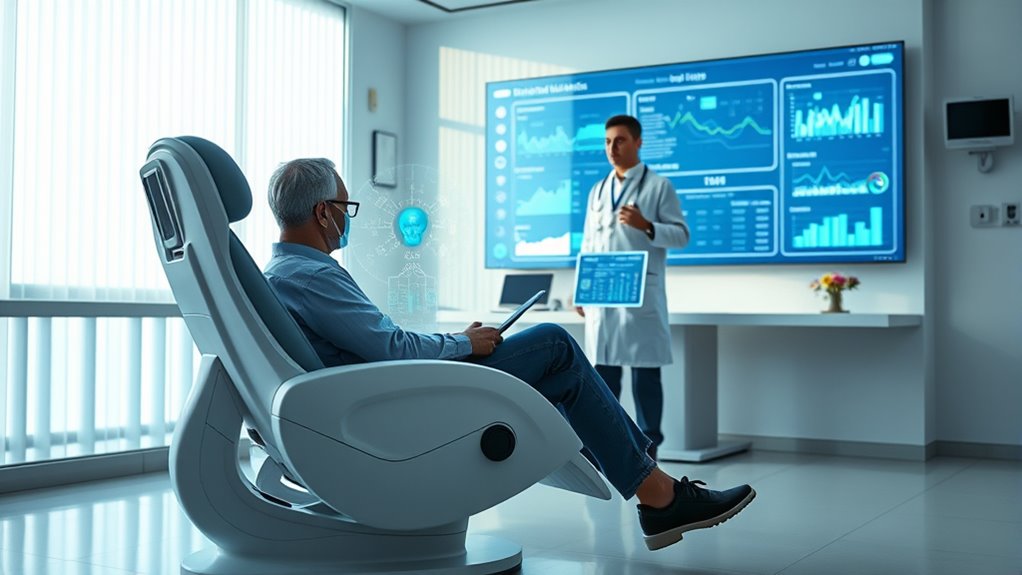
While telemedicine’s growth offers many benefits, addressing issues of equity, privacy, and accessibility remains essential to ensuring that all patients can truly benefit. You need to recognize that technological gaps and socioeconomic barriers can limit access for underserved populations. Here are three key challenges to focus on:
- Bridging the Digital Divide: Many patients lack reliable internet or devices, making virtual care difficult for rural or low-income communities.
- Protecting Patient Data: Ensuring privacy and security is paramount, especially as more health data moves online and through cloud platforms.
- Designing for All Users: Simplifying interfaces and offering multilingual support helps older adults and less tech-savvy individuals access care confidently.
Addressing these issues is essential for equitable, private, and accessible telehealth.
Future Directions: Personalized Care and Predictive Analytics

As telemedicine continues to evolve, personalized care and predictive analytics are transforming how you tailor treatments and anticipate patient needs. AI helps deliver precise interventions based on individual data, improving outcomes and patient satisfaction. Predictive analytics identify risks before symptoms appear, enabling proactive care that prevents complications. This shift fosters deeper patient engagement and trust, as you receive care tailored specifically to your health profile.
| Emotional Impact | Meaning for You |
|---|---|
| Confidence | Knowing your treatment is personalized |
| Security | Early detection reduces risks |
| Empowerment | Taking control of your health |
| Comfort | Care tailored to your needs |
| Hope | Better outcomes through innovation |
The Growing Role of Virtual Care in a Post-Pandemic World
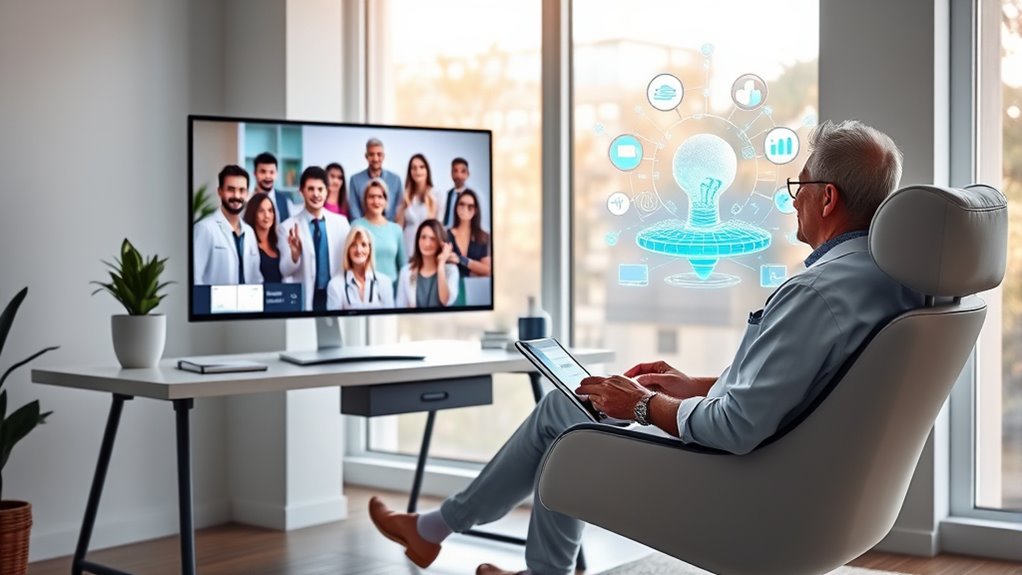
The pandemic accelerated the adoption of virtual care, fundamentally changing how healthcare providers and patients connect. You now benefit from more accessible, flexible, and efficient healthcare options. Here’s what’s driving this shift:
- Widespread Adoption: Over 97% of healthcare professionals use telemedicine solutions, making virtual care a standard part of practice.
- Cost and Outcome Benefits: AI-powered remote monitoring reduces hospital readmissions by up to 50%, improving patient outcomes and lowering costs.
- Hybrid Models: 82% of patients prefer combining in-person with virtual visits, expanding access for rural and underserved populations.
As a result, virtual care is becoming integral to post-pandemic healthcare, enhancing convenience, efficiency, and patient engagement.
Frequently Asked Questions
How Does AI Address Biases in Healthcare Data and Improve Equity?
AI addresses biases in healthcare data by incorporating diverse datasets and continuously refining algorithms to guarantee fairness. You can leverage AI tools that identify and mitigate disparities, promoting equitable care for all populations. By focusing on validation and inclusivity, AI helps reduce health inequities, especially for underrepresented groups. This results in more accurate diagnoses, personalized treatments, and improved access, making healthcare more equitable and effective for everyone.
What Are the Main Security Measures for Protecting Patient Data in AI Telehealth?
You should implement strong encryption protocols for data at rest and in transit, ensuring patient information remains secure. Use multi-factor authentication and role-based access controls to restrict data access only to authorized personnel. Regular security audits and vulnerability assessments help identify and fix weaknesses. Additionally, maintain compliance with healthcare privacy regulations like HIPAA, and educate staff on best practices to prevent data breaches and protect patient confidentiality.
How Can AI Tools Be Integrated Into Existing Healthcare Workflows Seamlessly?
Think of your healthcare workflow as a well-oiled machine. You can seamlessly integrate AI tools by ensuring interoperability between telehealth platforms and electronic health records, like fitting puzzle pieces together. Automate routine tasks with AI chatbots and virtual assistants to free up time. Train staff to adapt to new technologies, and gradually introduce AI-driven processes to smoothly enhance your existing system without disrupting patient care.
What Strategies Are Effective for Increasing Digital Literacy Among Older Adults?
You can increase digital literacy among older adults by offering simple, hands-on training sessions tailored to their needs. Use clear language and step-by-step instructions, and involve family or caregivers for support. Provide easy-to-use devices with intuitive interfaces, and create ongoing support options like help lines or community workshops. Encouraging patience and positive reinforcement will boost their confidence, making them more comfortable with digital tools and telehealth services.
How Will Ai-Driven Diagnostics Change Traditional Clinical Decision-Making?
AI-driven diagnostics will transform your clinical decision-making by providing real-time, evidence-based insights that enhance accuracy and speed. You’ll access advanced tools for early detection, personalized treatment plans, and predictive analytics, enabling proactive care. This integration reduces diagnostic errors and streamlines workflows, allowing you to focus more on patient interaction. Embracing AI diagnostics means making faster, more informed decisions that improve patient outcomes and optimize healthcare delivery.
Conclusion
As you explore telemedicine 2.0, it’s clear AI isn’t just a trend—it’s reshaping healthcare. Some say this tech will replace in-person visits entirely, but evidence suggests hybrid models will thrive, offering personalized, accessible care. By embracing innovations like wearables and predictive analytics, you can expect better outcomes and lower costs. The future of virtual healthcare isn’t just a possibility; it’s a reality unfolding now—making healthcare smarter, more inclusive, and more effective for everyone.