
TL;DR

Get business pricing on tech for your team
- Business-only prices and quantity discounts
- Tax-exempt purchasing
- Multiple users, one account, clear invoices
SPAN is launching a pilot program to install mini data center nodes in new homes nationwide, aiming to increase AI compute capacity efficiently. Homeowners will receive energy and internet subsidies, with the system managed remotely. The initiative could reshape local energy use and data infrastructure.
SPAN, a San Francisco startup, has announced a plan to deploy thousands of mini data center nodes in residential homes across the United States, starting with pilot testing this year. The initiative aims to expand AI compute capacity while offering residents subsidized energy and internet services. This approach could significantly alter the landscape of data infrastructure and local energy management.
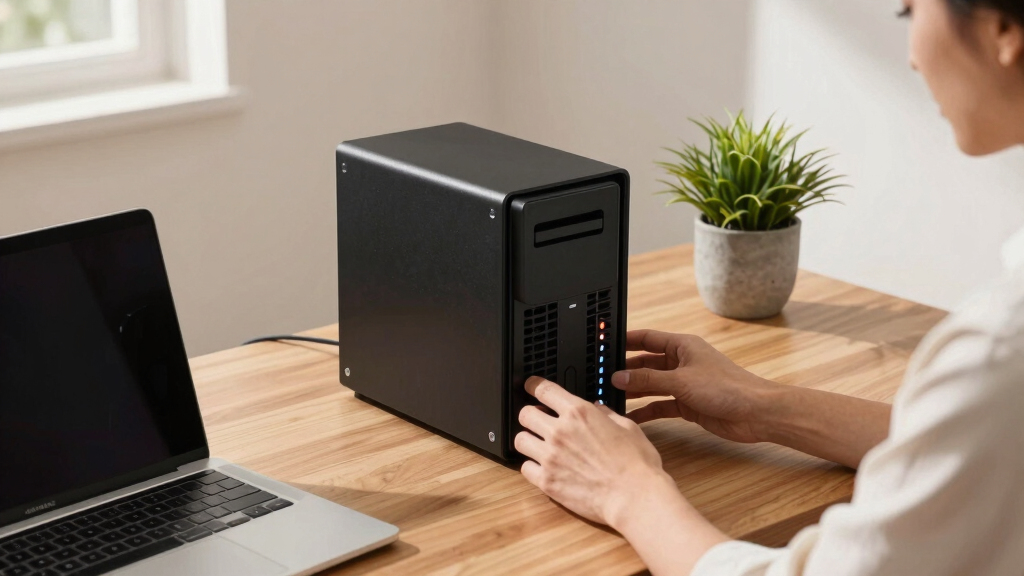
The proposed system involves installing wall-mounted smart panels and backup batteries alongside each home’s electrical system, with each node containing liquid-cooled Nvidia RTX Pro 6000 GPUs and AMD CPUs. These nodes will operate using excess household power capacity, primarily from homes with 200-amp service, and will run continuously under normal conditions. SPAN plans to install around 8,000 units by 2027, with the potential to reach 80,000 across the US, providing over 1 gigawatt of distributed compute capacity. Homeowners will have their electricity and internet bills paid by SPAN, possibly receiving a flat fee or no fee at all, with the company managing the energy use through proprietary software. The nodes are designed to be quiet, discreet, and environmentally friendly, avoiding the land use and water consumption issues associated with traditional data centers. The initiative is positioned as a way to meet growing AI compute demands cost-effectively while reducing community opposition to large-scale data center projects.
Why It Matters
This development could dramatically reshape local energy and data infrastructure, making AI compute more accessible and affordable by decentralizing it into residential areas. It offers a potential solution for utility companies to manage increasing electrical loads without costly upgrades, and for residents to benefit from subsidized energy and backup power. However, it also raises questions about data security, energy consumption, and the long-term viability of widespread residential data centers.
As an affiliate, we earn on qualifying purchases.
Background
Traditional data centers are large, centralized facilities that consume significant land, water, and energy, often facing community opposition. Recent efforts by hyperscalers like Google and Microsoft focus on building massive warehouses for AI training. SPAN’s approach represents a shift toward distributed, residential-based compute infrastructure, with pilot testing beginning in 2024 and plans for large-scale deployment by 2027. The concept leverages excess household power capacity and aims to avoid the environmental and social issues tied to traditional data centers.
“Data centers are loud, ugly, and often drive up local electricity bills. This system is quiet, discreet, and makes energy more affordable for the host and community.”
— Chris Lander, VP of XFRA at SPAN
“The scheme for subsidizing homeowners’ utility bills is fascinating, but it raises questions about long-term impacts and regulatory challenges.”
— Ari Peskoe, Director of the Electricity Law Initiative at Harvard Law School
As an affiliate, we earn on qualifying purchases.
What Remains Unclear
It is still unclear how widespread adoption will be, how residents will respond to the infrastructure, and what regulatory hurdles might arise as the program scales. The long-term energy impact and data security implications are also still being evaluated.
As an affiliate, we earn on qualifying purchases.
What’s Next
SPAIN will conduct pilot testing in 2024, with detailed performance assessments and homeowner feedback. If successful, the company plans to expand installations nationwide by 2027, potentially retrofitting existing homes and exploring larger commercial nodes. Regulatory and technical challenges will likely shape the pace and scope of deployment.
residential data center hardware
As an affiliate, we earn on qualifying purchases.
As an affiliate, we earn on qualifying purchases.
Key Questions
How will homeowners benefit from hosting a data center node?
Homeowners will have their electricity and internet bills paid by SPAN, possibly receiving a flat fee or no fee at all. They will also benefit from backup power during outages and contribute to a more resilient energy system.
Will this increase household energy consumption?
Yes, the nodes will operate continuously, but they are designed to use excess capacity and manage loads to minimize additional consumption. The system includes backup batteries and load management software to optimize energy use.
What types of AI workloads will this support?
The distributed nodes are intended for AI inference, cloud gaming, content streaming, and other applications that require real-time processing rather than large-scale AI training.
Are there privacy or security concerns?
Details on data security are not yet fully disclosed. The nodes will handle AI workloads locally, but the broader implications of distributed data processing remain under discussion.
Halloween Picks
halloween
As an affiliate, we earn on qualifying purchases.