
TL;DR
Chinese Premier Li Qiang met with US business leaders, including Apple and Nvidia CEOs, during the Trump-Xi summit in Beijing. The meeting underscores ongoing economic ties amid tense diplomatic talks. Key details about agreements or outcomes remain unclear.
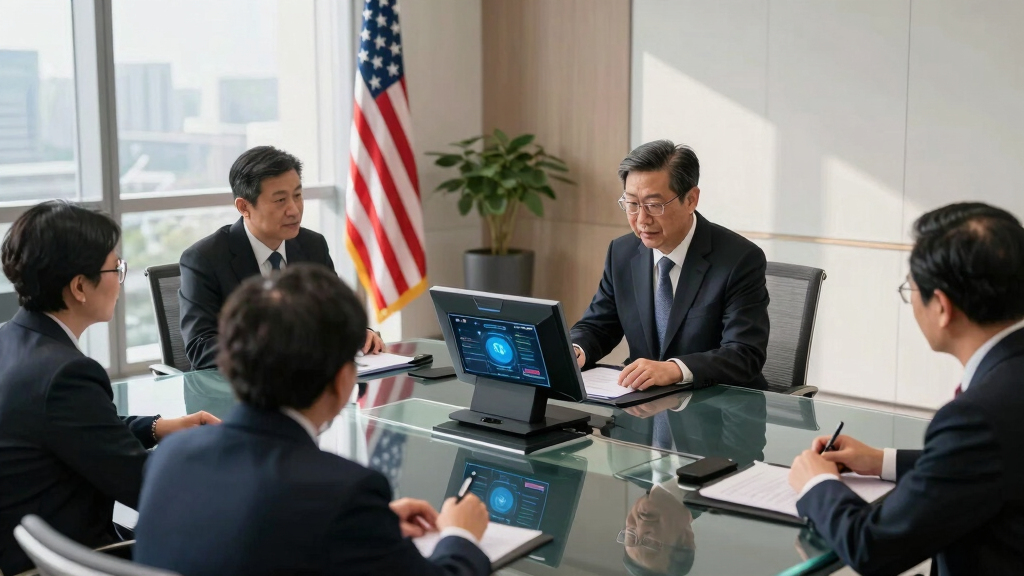
Chinese Premier Li Qiang met with US business leaders, including Apple CEO Tim Cook and Nvidia CEO Jensen Huang, at the Great Hall of the People on May 14, during the ongoing Trump-Xi summit in Beijing. The meeting signals a focus on economic and trade relations amid high-level diplomatic talks between the US and China.
The meeting was attended by prominent US corporate figures such as Tim Cook, Jensen Huang, Elon Musk, and others like Larry Fink of BlackRock and Dina Powell McCormick of Meta. Li Qiang emphasized that ‘China and the US can and should continue to be friends and partners,’ according to televised remarks.
Footage showed the executives engaging with Li Qiang in discussions that touched on economic cooperation, investment, and trade. The Chinese commerce ministry highlighted China’s role as a key player in the global AI supply chain, noting that China is both a major buyer and seller of semiconductors. Customs data indicates China’s chip exports increased by 83.7% in the first four months of 2026 compared to the previous year.
While the specific outcomes of the meeting remain undisclosed, the presence of top US tech CEOs suggests a focus on AI technology, trade, and potential easing of export controls. The White House described the overall summit as ‘good,’ with no mention of Taiwan or other contentious issues during this particular event.
Why It Matters
This meeting underscores the importance of economic ties between the US and China amid ongoing diplomatic tensions. The presence of leading US tech executives indicates potential discussions on easing export restrictions, especially concerning AI chips, which could impact global supply chains and US-China trade relations.
Furthermore, the meeting reflects China’s efforts to maintain strong economic engagement with the US despite geopolitical strains, particularly over issues like Taiwan and trade disputes. The outcome could influence upcoming negotiations and trade policies, affecting global markets and multinational corporations.

Compiler Engineering for AI Hardware: MLIR, TVM, XLA, and Custom Backends for Neural Network Accelerators (AI Infrastructure, Hardware & Compiler Engineering Series)
As an affiliate, we earn on qualifying purchases.
As an affiliate, we earn on qualifying purchases.
Background
During the Trump-Xi summit, diplomatic talks have focused on a range of issues including Taiwan, trade, and security concerns. The summit marks the first visit by US President Donald Trump to China in nearly nine years, aiming to stabilize a relationship strained by tariffs, technology restrictions, and geopolitical tensions. Past meetings have seen limited breakthroughs, but economic engagement remains a key aspect of the diplomacy.
Li Qiang’s meeting with US business leaders follows recent efforts by China to promote its technological sector and expand exports, especially in semiconductors and AI infrastructure. The US has imposed export controls on Chinese technology firms, but discussions at this level suggest potential pathways for cooperation or easing of restrictions.
“China and the US can and should continue to be friends and partners.”
— Li Qiang
“China is a key supplier of global AI infrastructure, and it is both a major buyer and seller of semiconductors.”
— Chinese commerce ministry spokesperson

Game of Chips: How Semiconductors Became the High-Stakes Poker of Global Power
As an affiliate, we earn on qualifying purchases.
As an affiliate, we earn on qualifying purchases.
What Remains Unclear
It is not yet clear whether the meeting will lead to concrete agreements on trade or export controls, or if it will influence broader diplomatic outcomes. Details of any specific commitments or policy shifts remain undisclosed and are likely to emerge in subsequent statements or negotiations.

Personal AI Servers: A Guide to Building Private AI Infrastructure for Secure, Offline and Self-Hosted Local LLMs for Data Privacy
As an affiliate, we earn on qualifying purchases.
As an affiliate, we earn on qualifying purchases.
What’s Next
Further negotiations are expected to take place during the summit, with potential follow-up on trade agreements, export restrictions, and cooperation in technology sectors. Watch for official statements from the White House, Chinese government, and participating corporations in the coming days.

ASRock Intel Arc Pro B70 Creator 32GB Workstation Graphics Card, Xe2-HPG, 32GB GDDR6, PCIe 5.0, 4X DP 2.1, Blower Fan, Vapor Chamber, Honeywell PTM7950
- System Compatibility: Requires specific chassis and PSU
- Customer Support: Direct Amazon contact for assistance
- Professional GPU Architecture: Built on Intel Xe2-HPG with 32 Xe cores
As an affiliate, we earn on qualifying purchases.
As an affiliate, we earn on qualifying purchases.
Key Questions
What was the main purpose of Li Qiang’s meeting with US business leaders?
The meeting aimed to discuss economic cooperation, trade, and investment opportunities, signaling China’s intent to strengthen economic ties amid ongoing diplomatic tensions.
Did the meeting result in any specific agreements or policy changes?
No specific agreements or policy changes have been publicly announced. The meeting’s outcomes are still being evaluated, with details expected to emerge later.
Why is the presence of US tech CEOs significant?
The participation of CEOs like Tim Cook and Jensen Huang suggests discussions on AI, semiconductors, and trade restrictions, potentially influencing US-China technology relations.
How does this meeting fit into the broader US-China relationship?
It reflects ongoing efforts to maintain dialogue and economic engagement despite geopolitical tensions, with the potential to ease some trade and technology restrictions.
What are the next steps following this meeting?
Next steps include continued negotiations during the summit, possible policy announcements, and further diplomatic and commercial discussions in the coming weeks.