📊 Full opportunity report: What Does A Phone-Free Venue Need To Run Smoothly? on IdeaNavigator AI — validation score, market gap, and execution plan.

Get business pricing on tech for your team
- Business-only prices and quantity discounts
- Tax-exempt purchasing
- Multiple users, one account, clear invoices
TL;DR
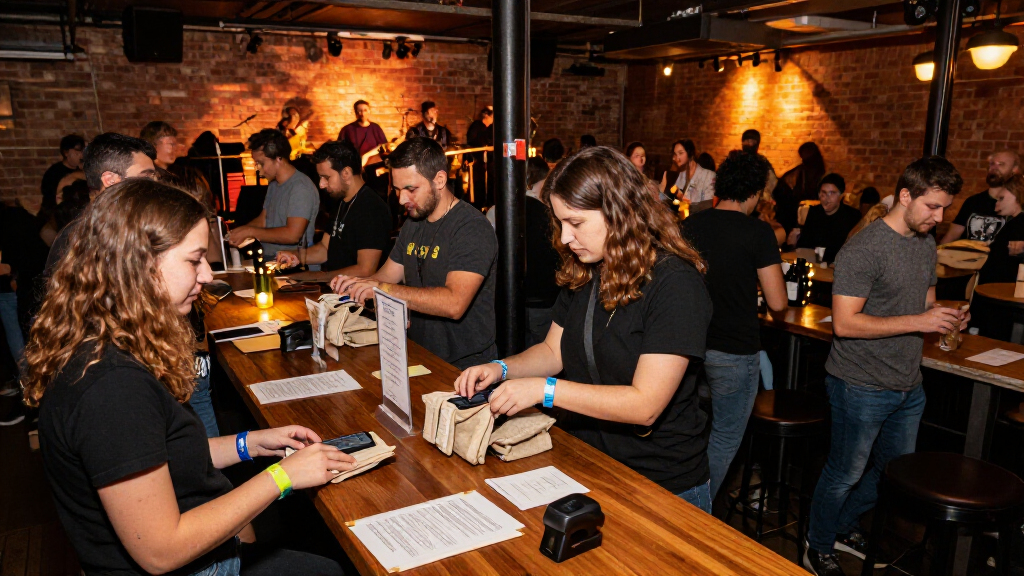
An IdeaNavigator AI proposal outlines an operations tool for venues and schools that use phone-locking pouches. It would track check-in, exceptions, pouch inventory and emergency unlocks, but the concept has not yet been reported as built or tested.
IdeaNavigator AI has outlined a proposed operations tool for phone-free shows, comedy clubs, schools and courts, aimed at managing the check-in, exception and emergency-unlock work that comes with locked-phone pouch systems. The proposal describes a potential product and a way to test it; it does not report that the tool has been built, adopted or evaluated.
The proposed product would give operators a shared workflow alongside existing pouch hardware, rather than replace the pouches themselves. Its suggested features include check-in procedures, an exception registry for medical or on-call needs, inventory tracking for pouches, and designated emergency-unlock stations that record why an unlock occurred.
The plan also calls for post-event operations reports and suggests charging venues or institutions through per-event or per-site subscriptions. IdeaNavigator AI frames the operational problem as one often handled through improvisation, including misplaced pouches, managing exceptions, delays at emergency-release points and queues when attendees re-enter an event.
To test whether the tool solves a real problem, the proposal recommends pilots at five venues and three schools. It suggests comparing exception-handling time and the completeness of incident logs with each site’s current process. Those are proposed test measures, not reported results; no pilot findings, customer commitments or pricing figures are provided.
Reducing Friction Around Phone Bans
Phone-free rules depend on more than a policy and a pouch. Staff must check devices in, keep track of equipment, respond to people who need access and manage release procedures. If those tasks create delays or inconsistent records, they can add work for front-line teams and frustrate attendees, students or visitors.
A tool that makes these steps easier to coordinate could help organizations operate existing phone restrictions with fewer improvised procedures. The proposed logs and reports could also give administrators a clearer record of exceptions and incidents. That potential remains unproven: the proposal gives no evidence yet that software would shorten queues, reduce errors or improve the experience.
The idea’s emphasis on working with different pouch systems could widen its appeal if operators already use varied hardware. At the same time, a product would need to fit each organization’s staffing, emergency policies and privacy requirements. The practical value will depend on whether it adds less work than it removes.
phone pouch check-in management system
As an affiliate, we earn on qualifying purchases.
As an affiliate, we earn on qualifying purchases.
Pouch Rules Create Staff Work
The proposal identifies several settings where phone restrictions are being used or considered, including live events, schools and courtrooms. It describes phone-free mandates as spreading, but provides no figures, dates, named policies or adoption data to quantify that claim. The specific development here is a product concept for the operational side of those rules, not a report of a new ban.
In the suggested workflow, attendees or users would check in their phones and receive tracked pouches; staff could record approved exceptions and handle emergency access through a designated station. An end-of-event report would capture operational details. The plan does not specify how the system would integrate with pouch locks, what information it would store or how staff would be trained.
IdeaNavigator AI presents the opportunity as a narrow first-use case: operators already running phone-free events or institutions with pouch systems. Starting with those users would let a pilot examine recurring operational tasks before any broader market claims are made.
emergency unlock stations for phone pouches
As an affiliate, we earn on qualifying purchases.
As an affiliate, we earn on qualifying purchases.
Pilot Results Are Not Available
No completed pilot or product launch is reported. The proposal does not identify participating venues or schools, a development team, a release date, or any paying customers. It also provides no measured baseline for the current time needed to handle exceptions or the completeness of incident records.
Details of implementation remain open. The proposal does not explain how emergency unlocks would work with different pouch designs, who would authorize them, what counts as a medical or on-call exception, or how data would be protected and retained. It is also unclear whether operators would use the tool during every event or only where existing procedures prove inadequate.
Claims that phone-free mandates are spreading and that operational software is missing are not accompanied by market data or a survey in the proposal. Whether enough organizations share the same needs to support a subscription product has not been established.
As an affiliate, we earn on qualifying purchases.
Testing the Workflow at Sites
The next step proposed by IdeaNavigator AI is to run five venue pilots and three school pilots, then compare exception-handling time and incident-log completeness with current improvised processes. A credible evaluation would also need to document how the sites define each measure and whether event size, staffing and pouch hardware affect the results.
No pilot schedule or participating organizations have been announced. Until trials are conducted and results are shared, the concept remains an operational software proposal rather than a validated product. Pricing, technical compatibility and the level of demand will depend on what those tests show.
Source: IdeaNavigator AI
event staff pouch inventory tracker
As an affiliate, we earn on qualifying purchases.
As an affiliate, we earn on qualifying purchases.
Key Questions
Is the phone-free venue operations tool already available?
No launch is reported. IdeaNavigator AI describes a proposed product and recommends pilots; it does not say the tool has been built or released.
What would the proposed tool do?
It would support check-in, exception records, pouch inventory, emergency-unlock logs and post-event reports for organizations using phone-locking pouches.
Would it replace pouch hardware?
The proposal describes the software as hardware-agnostic and intended to work alongside pouch systems. Compatibility with specific products has not been demonstrated.
How would the idea be tested?
The suggested test is a pilot at five venues and three schools, measuring exception-handling time and incident-log completeness against current procedures. No completed trials or results are reported.
How might the product charge customers?
IdeaNavigator AI suggests per-event or per-site subscriptions. It gives no prices, customer commitments or evidence of willingness to pay.
Source: IdeaNavigator AI
Fall Picks
fall essentials
As an affiliate, we earn on qualifying purchases.