
TL;DR
Fisker Inc. went bankrupt in June 2024, leaving 11,000 Ocean SUV owners with non-functioning vehicles. In response, owners organized, reverse-engineered software, and built an open-source ecosystem to keep their cars operational. This grassroots effort challenges traditional automaker control and highlights the potential for owner-led vehicle software development.
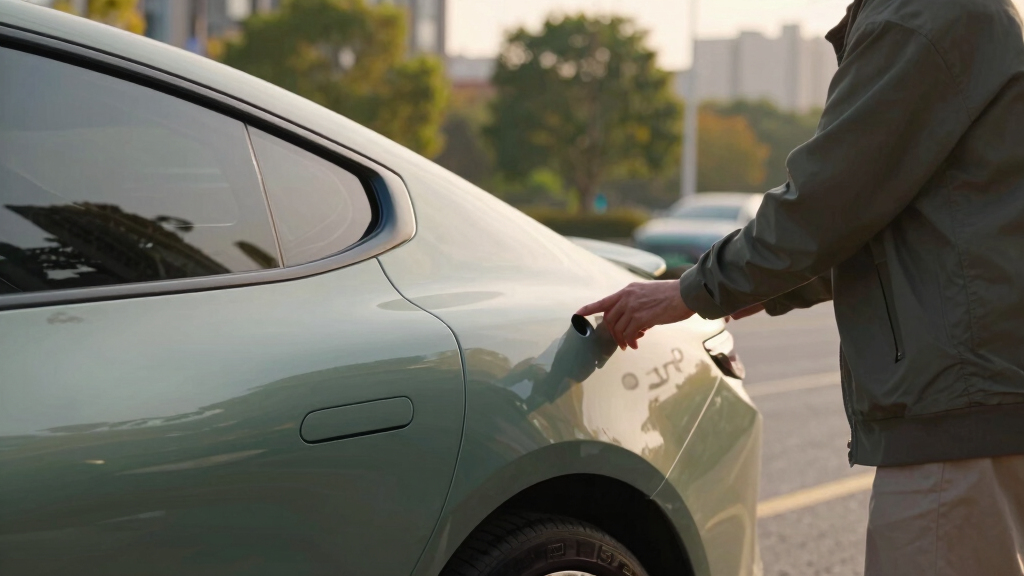
Fisker Inc. filed for Chapter 11 bankruptcy in June 2024, leaving approximately 11,000 Ocean SUV owners with non-functional vehicles and no official support. Instead of surrendering, these owners organized, reverse-engineered proprietary software, and built an open-source ecosystem to keep their cars running, marking a rare and significant grassroots response to a major EV manufacturer’s collapse.
Fisker, once seen as a potential Tesla rival, produced 11,000 Ocean SUVs before its financial collapse, which revealed over $1 billion in debts. The company’s architecture depended heavily on cloud connectivity for critical vehicle functions, making the vehicles useless once Fisker’s servers went dark. Owners responded by forming the Fisker Owners Association (FOA), a nonprofit that grew rapidly to 4,000 members, who began reverse-engineering the vehicle software, sourcing parts, and organizing repair networks.
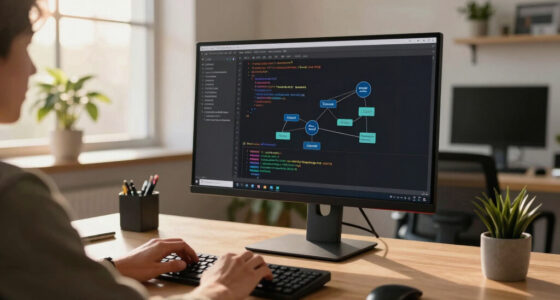
Owners have developed open-source tools, including firmware flashing methods and CAN bus decoding, to maintain and repair their vehicles independently. Notable projects include a GitHub-based API reverse-engineering effort and community-driven diagnostics. Despite technical challenges—such as safety-critical systems developed by suppliers—owners focus on infotainment and connectivity layers, creating a new ecosystem of owner-led vehicle software support.
Why It Matters
This development challenges traditional automaker control over vehicle software and demonstrates a powerful example of user-led innovation and resilience. It raises questions about the future of vehicle ownership, software dependency, and the potential for open-source approaches in the automotive industry. The grassroots effort also signals a shift in how consumers might respond to manufacturer failures, emphasizing community-led solutions.
EV firmware flashing tools
As an affiliate, we earn on qualifying purchases.
As an affiliate, we earn on qualifying purchases.
Background
Fisker’s financial troubles became public in June 2024, with the company having secured over 31,000 reservations for the Ocean SUV and accumulating significant debt. The collapse revealed the vulnerabilities of software-dependent EV architectures, especially when cloud services are cut off. Prior to bankruptcy, Fisker’s software architecture relied heavily on cloud connectivity for vehicle functions, making the vehicles highly dependent on the manufacturer’s ongoing support. The owners’ response is unprecedented in the EV industry, where user communities typically form around existing manufacturer support rather than taking over software and hardware maintenance themselves.
“A ‘software-based car’ that becomes useless when the manufacturer disappears is a fundamental flaw.”
— Cory Doctorow
“We really need much more open source in the auto industry. ‘If the manufacturer disappears, the car is useless now’ has become a default.”
— Vitalik Buterin
“Our community is committed to keeping these vehicles on the road through reverse engineering, parts sourcing, and software support.”
— Fisker Owners Association (FOA) spokesperson
CAN bus diagnostic scanner
As an affiliate, we earn on qualifying purchases.
As an affiliate, we earn on qualifying purchases.
What Remains Unclear
It remains unclear how sustainable the open-source ecosystem will be long-term, especially regarding safety-critical systems and future updates. The extent of legal or technical barriers to fully open-sourcing vehicle software is also still being evaluated. Additionally, the impact of potential legal actions from Fisker or suppliers has not been clarified.
electric vehicle repair parts
As an affiliate, we earn on qualifying purchases.
As an affiliate, we earn on qualifying purchases.
What’s Next
The FOA plans to continue developing open-source tools, expand diagnostic capabilities, and establish more repair networks. They are also engaging with legal and regulatory discussions about vehicle software rights. Future milestones include formalizing open-source software standards and potentially influencing industry practices around vehicle ownership and maintenance.
open source car software tools
As an affiliate, we earn on qualifying purchases.
As an affiliate, we earn on qualifying purchases.
Key Questions
Can owners fully open-source the Fisker Ocean software?
While some components, like infotainment and diagnostics, are being reverse-engineered and open-sourced, safety-critical systems developed by suppliers may not be fully open-source or modifiable due to safety and legal concerns.
Will this grassroots effort be able to keep the vehicles on the road long-term?
The community has demonstrated significant progress, but long-term sustainability depends on ongoing technical, legal, and logistical developments. It is still uncertain how scalable and enduring these efforts will be.
Could Fisker or its creditors take legal action against the owners’ community?
Legal risks remain possible, especially concerning proprietary software rights. The owners are operating in a gray area, and future legal challenges cannot be ruled out.
How does this development impact the broader EV industry?
This case highlights the risks of software dependency in EVs and could influence future design choices, encouraging more open standards and owner-led initiatives.