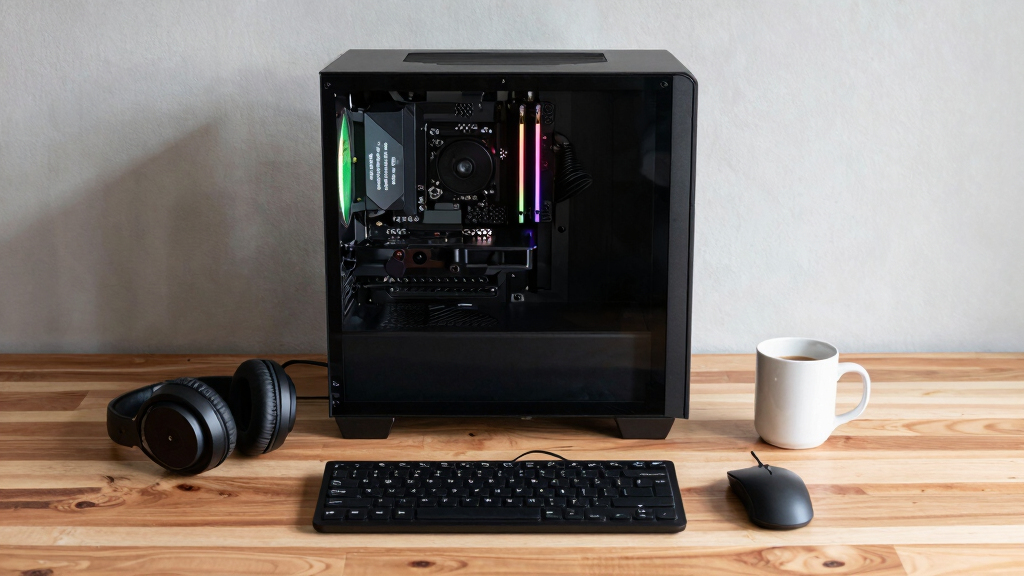

📊 Full opportunity report: The High-End PC And Workstation Tax on ThorstenMeyerAI.com — validation score, market gap, and execution plan.
TL;DR
Memory costs have skyrocketed in 2026, making high-end PC building more expensive and less cost-effective for DIYers. Prebuilt systems can sometimes offer better value due to bulk purchasing. This shift impacts builders, professionals, and the market structure.
Memory prices have surged in 2026, with RAM and SSD costs now representing a larger portion of PC and workstation budgets than ever before. Build vs Buy a Prebuilt AI Workstation. This shift has made DIY high-end builds more expensive and less financially advantageous, challenging a two-decade-old rule that building your own PC saved money.
According to HP, memory now accounts for about 35% of a PC’s bill of materials, up from 15–18% previously. For example, a 32GB DDR5 kit costs approximately $369, matching or exceeding the price of a high-end GPU in the same build. This has caused a significant increase in total build costs, with premium systems now costing $2,800 to $4,500, driven mainly by memory and storage expenses.
Market dynamics have shifted, as OEMs buy memory in bulk and hedge against price fluctuations, often resulting in cheaper prices for prebuilt systems compared to individual retail purchases. This inversion means that DIY builders are now exposed to volatile spot prices, making their builds more expensive and less predictable.
Workstation components, especially high-capacity modules like 96GB and 128GB DDR5 RDIMMs, face extreme shortages and price hikes, with projections indicating costs could double by the end of 2026. Additionally, memory prices now fluctuate weekly, making timing purchases challenging and requiring strategic procurement approaches.
The high-end PC & workstation tax
If you build your own machines or spec your team’s workstations, you’re the most exposed buyer in this market — no hedge, no bulk contract, just a parts cart and a number you used to ignore, now the biggest line on the invoice.
OEMs buy on bulk contracts and hold hedged stock; you pay the spot price on the day. The DIY builder is now the most exposed buyer in the chain — and the prebuilt is sometimes cheaper. Price it before you commit.
96GB & 128GB DDR5 RDIMMs are the scarcest, closest to the server memory makers prioritize. 64GB RDIMM could cost 2× by end-2026 vs early 2025. The parts that define a workstation are the ones squeezed hardest.
The squeeze didn’t just raise prices — it inverted the value system of high-end building. Buy big, buy early, build it yourself: each enthusiast virtue is now a way to overpay. Discipline beats ambition in 2026 — right-size hard, buy deliberately, lean on bundles, treat the prebuilt as a real price check. You can’t avoid the AI tax levied a layer up in the fabs; you can refuse to pay more of it than the job needs. Next: Cloud’s Hidden Memory Bill.
Implications for High-End PC and Workstation Construction
This development fundamentally changes the economics of building high-performance PCs and workstations. Enthusiasts and professionals must now adopt new strategies, such as right-sizing capacity, buying in bundles, and staging upgrades. It also shifts the market advantage toward OEMs and bulk buyers, potentially reducing the cost savings traditionally associated with DIY builds.
For professionals relying on high-capacity memory, the increased costs and lead times could impact project timelines and budgets, especially for CAD, data analysis, or AI workloads. The market’s volatility demands more strategic procurement and planning, changing the landscape of high-end computing.
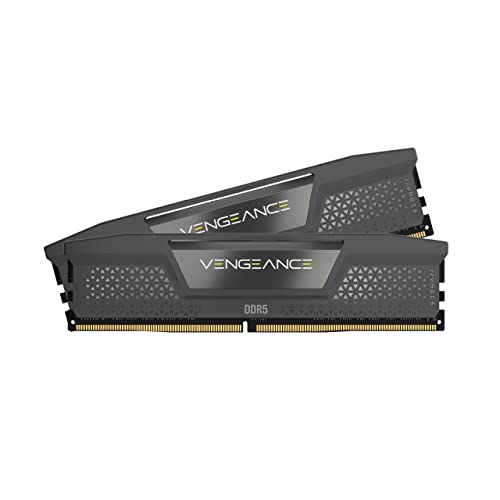
CORSAIR Vengeance DDR5 RAM 32GB (2x16GB) Up to 6000MHz CL36-44-44-96 1.35V AMD EXPO Intel XMP 3.0 Computer Memory – Grey (CMK32GX5M2E6000Z36)
Disclaimer: Maximum Speed requires overclocking/PC BIOS adjustments. Maximum speed and performance depend on system components, including motherboard and…
As an affiliate, we earn on qualifying purchases.
As an affiliate, we earn on qualifying purchases.
2026 Memory Market and Historical Trends
Over the past two decades, memory prices steadily declined, enabling DIY builders to save money and customize their systems. However, in 2026, a combination of market shortages, increased demand from hyperscalers, and manufacturing constraints have reversed this trend. The shift is part of a broader memory crunch affecting multiple segments, including servers and professional workstations, driven by supply chain disruptions and high-margin server memory prioritization.
Historically, OEMs benefited from bulk purchasing and inventory hedging, allowing them to offer competitive prices. Now, with retail prices volatile and supply tight, the market favors those with larger purchasing power, disadvantaging individual builders and small businesses.
“Memory’s share of the bill of materials has doubled in a single quarter, reflecting the tight supply and rising prices.”
— HP investor report

Corsair AI Workstation 300 Desktop PC – AMD Ryzen AI Max 385 CPU – AMD Radeon 8050S iGPU (Up to 48GBs vRAM) – 64GB LPDDR5X 8000MHz Memory – 1TB M.2 SSD – Black
AI-Optimized Compact Workstation: Experience AI performance out of the box with the compact 4.4L form factor, built for…
As an affiliate, we earn on qualifying purchases.
As an affiliate, we earn on qualifying purchases.
Unclear Long-Term Market and Pricing Trends
While current data indicates a sharp increase in memory prices and shortages, it remains uncertain how long these conditions will persist. Market recovery depends on supply chain stabilization, new manufacturing capacity, and demand fluctuations, which are still evolving. The exact timeline for price normalization or stabilization is not yet clear.

Kingston 128GB (4 x 32GB) DDR5 5600MT/s CL28 FURY Renegade Pro RDIMM Black EXPO
Allow convenient and fast access to the stored information your computer is actively using for maximum efficiency
As an affiliate, we earn on qualifying purchases.
As an affiliate, we earn on qualifying purchases.
Expected Market Responses and Strategic Adjustments
Buyers should consider locking in prices through bundles or reservations, staging upgrades to avoid peak prices, and reassessing build configurations to optimize costs. OEMs may adjust offerings, and supply chain improvements could ease shortages, but immediate strategies will focus on cost management and procurement timing.

ASUS ROG GM700 (2025) Gaming Desktop PC, AMD Ryzen™ 7 9800X3D Processor, AMD® Radeon™ RX 9070 XT Prime OC, 2TB M.2 NVMe™ PCIe® 4 SSD, 32GB DDR5 RAM, Windows 11 Home, GM700TZ-MS777
Game and create with Windows 11 Home – Unlock your potential with Windows 11 Home, designed for gaming,…
As an affiliate, we earn on qualifying purchases.
As an affiliate, we earn on qualifying purchases.
Key Questions
How has memory pricing changed in 2026?
Memory prices have surged, with 32GB DDR5 kits costing around $369, nearly matching high-end GPU prices, and shortages driving costs higher for professional modules.
Does this mean building a high-end PC yourself is no longer cheaper?
In many cases, no. OEMs buy memory in bulk and hedge against price spikes, often making prebuilt systems more cost-effective than retail DIY parts, especially for high-capacity modules.
What should professionals do to manage costs?
Professionals should consider staging upgrades, buying in bundles, and locking in prices early to mitigate volatility and high costs.
Will memory prices stabilize soon?
It is unclear. Market conditions depend on supply chain recovery and manufacturing capacity, with no definitive timeline for stabilization announced yet.
How does this affect workstation builders specifically?
Workstation builders face higher costs for high-capacity modules, longer lead times, and increased price volatility, impacting project timelines and budgets.
Source: ThorstenMeyerAI.com