

AI readiness goes beyond just purchasing a tool; it involves strategic planning, understanding ethical considerations, and preparing your workforce. You need to align AI deployment with your organization’s values, address bias, and guarantee data privacy. Proper integration requires ongoing evaluation and clear policies. Building a culture that prioritizes ethics and safety is vital for long-term success. Keep exploring to see how a thorough approach can help you maximize AI’s benefits responsibly.

Get business pricing on tech for your team
- Business-only prices and quantity discounts
- Tax-exempt purchasing
- Multiple users, one account, clear invoices
Key Takeaways
- AI readiness requires strategic planning, policies, and ethical standards, not just purchasing technology.
- Successful AI integration involves workforce training, cultural adaptation, and ongoing evaluation.
- Ethical considerations like bias, privacy, and transparency are essential for responsible AI deployment.
- Organizational alignment and stakeholder engagement are crucial for maximizing AI benefits and minimizing risks.
- Building a sustainable AI ecosystem demands long-term commitment beyond initial tool acquisition.
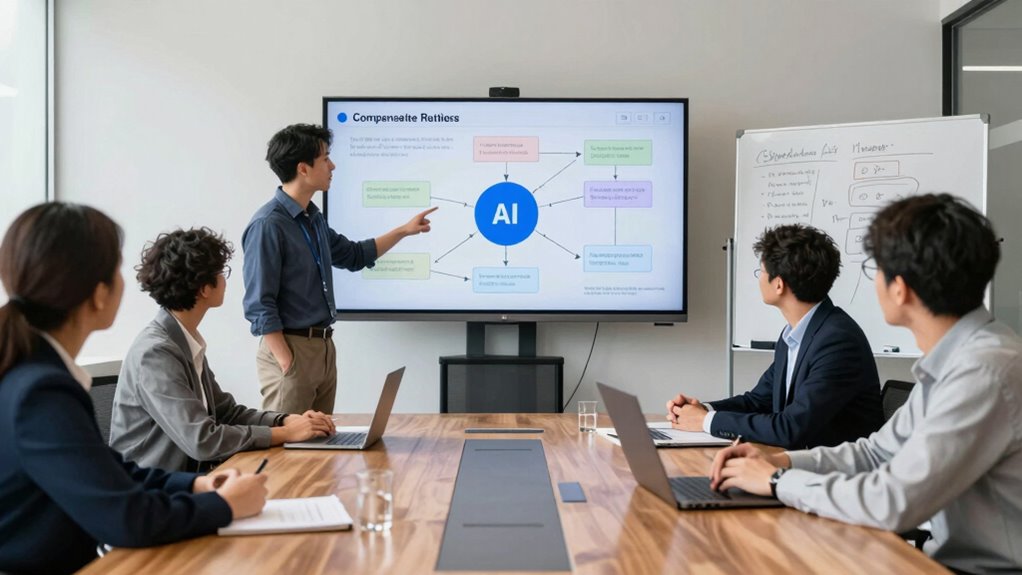
Artificial intelligence is transforming industries at a rapid pace, making it essential for organizations to assess their preparedness. But simply purchasing AI tools isn’t enough to guarantee success. True AI readiness involves understanding the broader implications, especially regarding ethical considerations and workforce adaptation. When you invest in AI, you must consider how these tools align with your organization’s values and societal responsibilities. Ethical implications, such as bias in algorithms or data privacy concerns, can undermine trust in your systems if not properly managed. It’s vital to develop policies that guarantee AI applications are transparent, fair, and accountable. This isn’t just about compliance; it’s about maintaining your organization’s integrity and public confidence.
Workforce adaptation plays a significant role in AI readiness, too. Implementing AI isn’t a one-time upgrade; it’s a transformation that impacts your team’s roles, skills, and workflows. You need to prepare your staff for these changes through training and upskilling initiatives. Without proper workforce adaptation, you risk resistance, decreased morale, and even operational disruptions. Your employees should see AI as an enhancement to their work, not a threat to their jobs. This requires clear communication about how AI will augment their roles and create new opportunities. Involving your team early in the process encourages buy-in and eases the transition. Recognizing the importance of ethical considerations in AI deployment is crucial for long-term success. Additionally, understanding the broader implications of AI integration can help organizations anticipate and mitigate potential risks.
Furthermore, AI readiness demands integration across your entire organization. It’s about more than just procurement—it’s about strategy, policies, training, and ongoing evaluation. You need a holistic approach that considers technical capabilities, ethical standards, workforce development, and stakeholder engagement. Only then can you harness AI’s full potential while minimizing risks and ensuring responsible use. Building a culture that prioritizes microbiome health and safety, especially in health-related applications like laser helmets, exemplifies a comprehensive approach to responsible AI deployment.
In essence, AI readiness is a strategic journey, not a quick fix. It requires thoughtful planning, ongoing oversight, and a commitment to ethical principles and workforce growth. When you view AI as an organizational transformation rather than just another tool, you position your company for sustainable success in an increasingly AI-driven world.
AI ethics and compliance training courses
As an affiliate, we earn on qualifying purchases.
As an affiliate, we earn on qualifying purchases.
Frequently Asked Questions
How Do I Assess My Organization’s Current AI Maturity Level?
To assess your organization’s AI maturity level, start by evaluating your data governance practices—are your data clean, accessible, and well-managed? Then, look at leadership commitment—are executives actively supporting AI initiatives? Gauge your team’s AI skills and understanding, and identify existing AI projects. This extensive review helps you understand where you stand, highlighting areas for improvement to advance your AI readiness effectively.
What Skills Are Essential for Successful AI Implementation?
You need AI training to build your team’s skills in understanding and applying AI technologies effectively. Data governance is essential for ensuring your data is accurate, secure, and compliant, which directly impacts AI success. Combining these skills helps you develop reliable AI models, maintain ethical standards, and foster a culture of continuous learning. Prioritizing AI training and strong data governance prepares your organization for successful AI implementation and long-term growth.
How Can I Measure AI Project ROI Effectively?
You can measure AI project ROI effectively by tracking specific metrics like increased efficiency and cost savings. Did you know 70% of AI investments fail to deliver expected value? Focus on data integration to guarantee your AI tools work seamlessly with existing systems, enabling accurate performance measurement. Regularly evaluate these metrics, adjusting your strategies as needed, to truly understand your AI investment’s impact and assure ongoing success.
What Are Common Challenges in AI Adoption?
You’ll face challenges like resistance to AI integration and the need for effective change management. People may fear job loss or feel overwhelmed by new technology, making it vital to communicate benefits clearly. You must also address skill gaps and guarantee your team adapts smoothly. Successful AI adoption depends on managing these challenges proactively, fostering a culture open to change, and providing ongoing support during the shift.
How Do I Ensure Ethical AI Use Within My Organization?
Did you know that 70% of organizations struggle with AI bias? To guarantee ethical AI use, you should implement strong ethical frameworks and prioritize bias mitigation techniques. Regularly train your team on responsible AI practices and conduct audits to identify and address bias. Establish clear policies for data privacy and transparency. By actively managing these areas, you create a culture of ethical AI use within your organization.
AI workforce upskilling programs
As an affiliate, we earn on qualifying purchases.
As an affiliate, we earn on qualifying purchases.
Conclusion
Achieving AI readiness isn’t just about buying a fancy tool; it’s about transforming your entire mindset and operations. If you think a single investment will turn your business into an AI powerhouse, think again—it’s more like preparing for a revolution than a purchase. You must foster a culture of innovation, develop strategic data practices, and build adaptable skills. Only then can you truly harness AI’s immense power and stay ahead in this relentless digital race.
As an affiliate, we earn on qualifying purchases.
As an affiliate, we earn on qualifying purchases.
Fall Picks
fall essentials
As an affiliate, we earn on qualifying purchases.