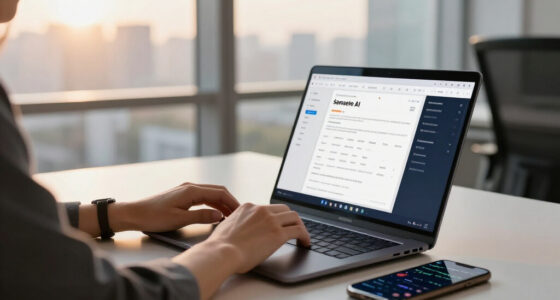
📊 Full opportunity report: Can An Auto-Filing Scanner Tame Paperwork In Small Offices? on IdeaNavigator AI — validation score, market gap, and execution plan.
TL;DR
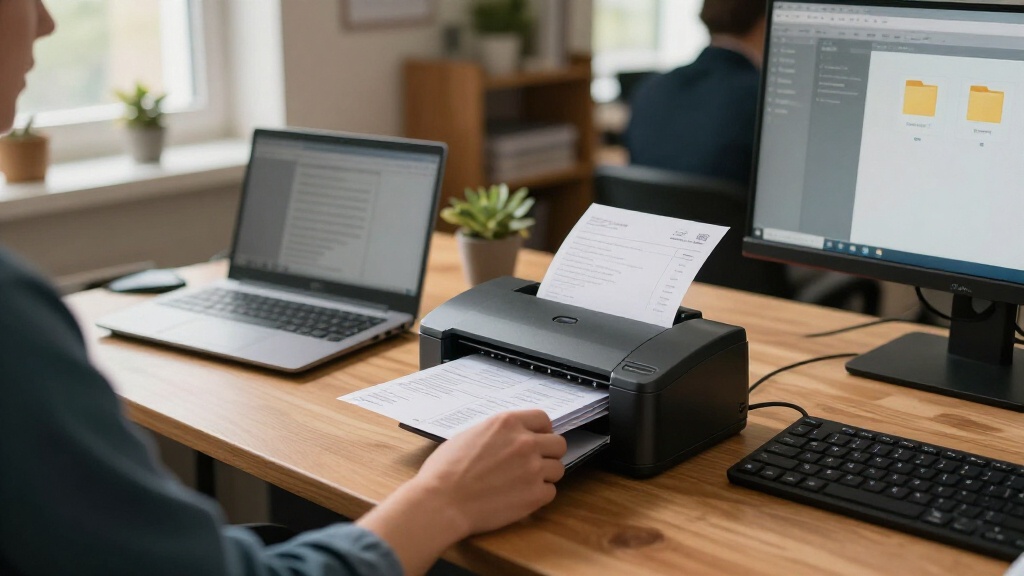
An IdeaNavigator AI product proposal suggests testing a phone-based scanner that classifies documents, extracts details and saves searchable PDFs for small offices. The proposal recommends a one-week pilot with five offices, but reports no completed test results, measured accuracy or confirmed customer demand.
IdeaNavigator AI has proposed a phone-based document scanner that would classify paperwork, suggest searchable filenames and save digitized files to a shared folder, targeting small nonprofits, clinics and law offices. The concept is at the validation stage: its proposed test is a one-week pilot in five offices, and no results are reported to establish how accurately it works or whether customers would pay for it.
The product is aimed at offices that handle paper intake forms, invoices and records but lack a dedicated IT team. The proposal says ordinary scanner apps can leave staff with unsorted image files that still require manual naming and filing. Its suggested workflow would let a user photograph a stack of documents on a phone, then use optical character recognition (OCR) and layout-aware software to read pages, suggest a document category and generate a filename.
One example in the proposal is an invoice filename combining the document type, date and vendor. The app would then place searchable PDF files in a shared folder. These are planned capabilities, not confirmed features of a released product: no named app, implementation, performance data or deployment is provided.
For validation, IdeaNavigator AI proposes recruiting five small offices for a one-week trial. Each office would scan a real backlog of 200 documents, and the test would measure correct automatic classification and willingness to pay per seat. The proposed business model is a monthly per-seat subscription, with a page-volume limit and additional charges for use above that cap. No price, accuracy target or pilot outcome is specified.
The Cost of Manual Filing
The proposed product would be evaluated on whether staff can locate files without spending time correcting their category, name or destination, in addition to whether it can create digital copies. If automatic filing works reliably on everyday paperwork, it could reduce repetitive administrative work and make older records easier to search. The proposal identifies organizations with large paper backlogs and limited technical support as potential users.
The workflow also raises questions about the consequences of filing errors. A wrongly classified or poorly named record could be more difficult to locate than a scanned image left in a clearly labeled batch. The pilot’s proposed measurement of classification accuracy would provide one measure of performance. Offices would also need to consider whether subscription and overage charges fit their page volume and how the tool handles sensitive documents. The proposal provides no security, privacy, retention or compliance specifications.
As an affiliate, we earn on qualifying purchases.
From Paper Backlog to Searchable PDFs
The idea responds to a specific gap between scanning pages and organizing them. A basic scan creates a digital image, while OCR attempts to turn the page’s printed text into searchable content. The proposed system adds another step: interpreting the page’s layout and contents to suggest a document type, extract details and construct a useful filename. The proposal argues that on-device and API-based OCR and layout-aware models have become affordable and accurate enough for this kind of task, but gives no benchmark or independent evidence for that assessment.
Rather than recommend a broad rollout, the plan frames the product as a narrow first workflow for office managers in small nonprofits, clinics or law offices. A short test using existing backlogs is intended to identify practical problems—such as inconsistent forms or incorrect suggestions—and gauge whether users value the service enough to pay. The stated plan is a test proposal, not evidence that five offices have agreed to participate.
As an affiliate, we earn on qualifying purchases.
Accuracy, Privacy and Demand
No working product or pilot findings are described. It remains unclear how often the system would correctly classify different document types, extract dates or vendor names, or handle handwritten, low-quality or multi-page paperwork. The proposal does not state how users would review and correct errors before files enter the shared folder, or how a correction would affect later suggestions.
There are also no details on where documents would be processed, how long files or extracted data would be retained, who could access them, or what safeguards would apply to sensitive records. These questions could be particularly relevant for clinics and law offices, but the proposal does not claim compliance with any specific rules. Pricing, page caps, overage rates and willingness to pay are also unreported. The suggested five-office pilot would offer an initial signal, not a broad measure of performance across small organizations.
searchable PDF scanner for small offices
As an affiliate, we earn on qualifying purchases.
As an affiliate, we earn on qualifying purchases.
A Five-Office Test Is Proposed
The next step in the outlined plan is a one-week pilot with five offices, each scanning 200 documents from a real backlog. The proposed evaluation would record how often automatic classifications are correct and ask whether offices would pay per seat. The plan does not give a start date, identify participating organizations or say whether a pilot is underway.
Before a purchasing decision, prospective users would need more information on error correction, file access, data handling and the actual subscription terms. If a pilot takes place, its results could show whether the system saves enough filing time to justify a paid service, but no such findings are available yet.
Source: IdeaNavigator AI
As an affiliate, we earn on qualifying purchases.
Key Questions
What would the proposed scanner do?
Users would photograph documents with a phone. The proposed app would use OCR to make pages searchable, suggest document types and filenames, and save searchable PDFs to a shared folder.
Is the scanner available now?
The information describes a product concept and proposed test, not a launched product. It gives no release date or confirmed customer availability.
How would the idea be tested?
The suggested pilot would involve five small offices over one week, with each office scanning 200 real backlog documents. The proposed measures are classification accuracy and willingness to pay per seat.
What would it cost?
The proposed model is a monthly per-seat subscription with a page-volume cap and overage pricing. No subscription price, page limit or overage rate is provided.
How would it protect sensitive records?
No details are provided on processing location, access controls, retention or security safeguards. Those points would need clarification before an office handled sensitive records with the proposed service.
Source: IdeaNavigator AI