
TL;DR

Get business pricing on tech for your team
- Business-only prices and quantity discounts
- Tax-exempt purchasing
- Multiple users, one account, clear invoices
Recent analysis shows that memory components, specifically HBM, now represent nearly two-thirds of AI chip costs, up from 52%. This shift reflects changing supply chain dynamics as AI chip production surges. The trend underscores increasing memory demand and cost pressures in the AI hardware market.
Memory components now constitute nearly two-thirds (63%) of AI chip component costs, up from 52% in early 2024, according to recent estimates based on industry data. This trend has also led to legal actions against component makers.
The analysis, derived from estimated costs for chips designed by Nvidia, AMD, Google, and Amazon, shows that memory (HBM) spending increased substantially, accounting for roughly $20 billion of the total $52 billion spent on AI chips in 2025. Meanwhile, the share of costs for advanced packaging has declined from 19% to 15%, and auxiliary components from 15% to 9%. The logic die share has remained relatively stable at around 13-14%.
This shift indicates a growing reliance on high-bandwidth memory in AI hardware, driven by the increasing complexity and performance demands of AI models. The rising memory costs are linked to supply chain constraints and heightened demand for memory modules, which are critical for AI training and inference tasks. This situation is similar to recent tech product price hikes due to memory costs.
Why It Matters
The rising proportion of memory costs highlights a key challenge for AI hardware manufacturers: securing sufficient high-performance memory at manageable costs. It also signals that future AI chip development may need to focus more on optimizing memory integration and supply chain resilience. For investors and industry stakeholders, this trend could influence pricing strategies, supply chain investments, and innovation priorities.
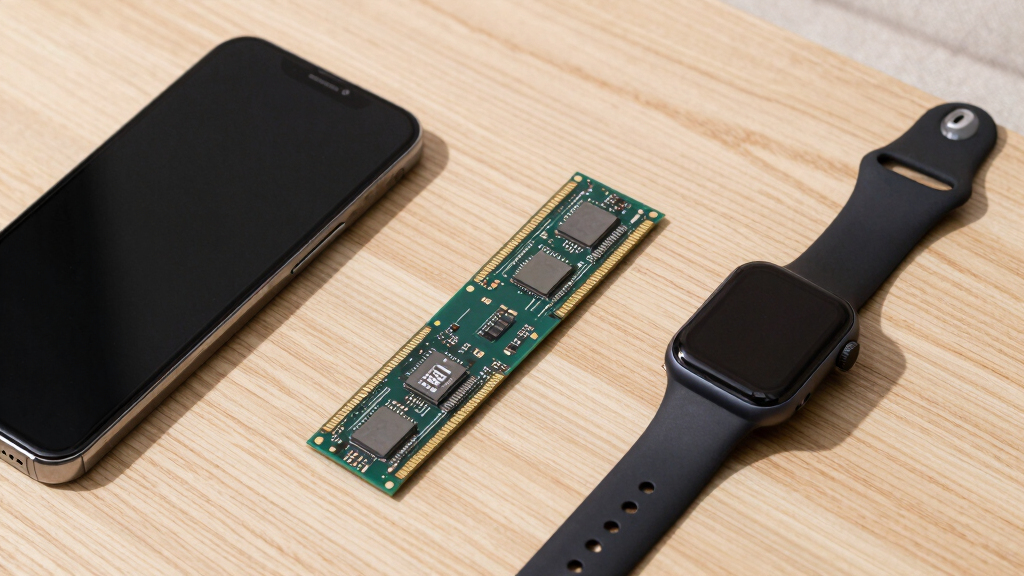
High Bandwidth Memory (HBM) modules for AI
As an affiliate, we earn on qualifying purchases.
As an affiliate, we earn on qualifying purchases.
Background
Over the past two years, AI chip demand has surged, driven by advances in generative AI and large language models. The total component spend on AI chips increased from approximately $22 billion in 2024 to an estimated $52 billion in 2025. Prior to this shift, memory components accounted for about 52% of costs, but recent data shows this share has grown steadily, reflecting supply chain pressures and technological shifts.
“The increase in memory’s share of AI chip costs underscores the growing importance of high-bandwidth memory in AI applications, but also highlights supply chain and cost challenges.”
— industry analyst
“Memory components are becoming a bottleneck in AI chip manufacturing, which could impact production timelines and costs moving forward.”
— supply chain expert
As an affiliate, we earn on qualifying purchases.
What Remains Unclear
It is not yet clear how long this trend will continue or whether new technological innovations could alter the cost dynamics of memory versus other components. Additionally, detailed breakdowns of specific memory types and their pricing trends remain limited.
High-performance GPU memory upgrades
As an affiliate, we earn on qualifying purchases.
As an affiliate, we earn on qualifying purchases.
What’s Next
Industry analysts expect ongoing monitoring of supply chain developments and technological advances to determine whether memory costs will stabilize or continue to rise. Further data releases and detailed cost analyses are anticipated in upcoming quarters, which will clarify the trajectory of these shifts.
As an affiliate, we earn on qualifying purchases.
Key Questions
Why has memory become such a large share of AI chip costs?
Memory, particularly high-bandwidth memory (HBM), is critical for AI performance, and demand has surged due to increasing AI model complexity. Supply chain constraints and rising memory prices have also contributed to its growing cost share.
Will the trend of rising memory costs impact AI chip prices?
Potentially, yes. As memory costs constitute a larger portion of total chip costs, manufacturers may pass some of these expenses to customers, affecting AI hardware pricing.
Could technological innovations reduce memory costs in the future?
It is possible. Advances in memory manufacturing, new memory architectures, or alternative technologies could help reduce costs, but such developments are still in progress.
How does this trend affect AI hardware supply chains?
The increased reliance on memory components may intensify supply chain pressures, potentially leading to shortages or delays if demand outpaces supply capacity.
Source: Hacker News
Columbus Day / Indigenous Peoples' Day Picks
long weekend sales
As an affiliate, we earn on qualifying purchases.