📊 Full opportunity report: What Can Real-Job Simulations Teach Students About Careers? on IdeaNavigator AI — validation score, market gap, and execution plan.

Get business pricing on tech for your team
- Business-only prices and quantity discounts
- Tax-exempt purchasing
- Multiple users, one account, clear invoices
TL;DR

A proposal for Indiana school districts would combine task-based career simulations with brief employer reviews, logged student hours and state-template training plans. The approach could help coordinators provide work-based learning where placements are scarce, but no pilot results show yet whether districts will accept simulation hours toward diploma seals.
IdeaNavigator AI has proposed a pilot of task-based career simulations for Indiana high schools, pairing student assignments with brief reviews by local employers and records designed to match state work-based-learning requirements. The proposal addresses a practical gap for district coordinators: finding enough placements for students to document required hours, especially where local employers cannot host teenagers.
The proposed first test would target career and technical education (CTE) or work-based-learning coordinators in three Indiana districts that adopted the state’s new diploma early. The suggested pilot would run for one semester, offer five simulations at no charge, and have a local employer review each one. The proposal does not identify participating districts or say that any have agreed.
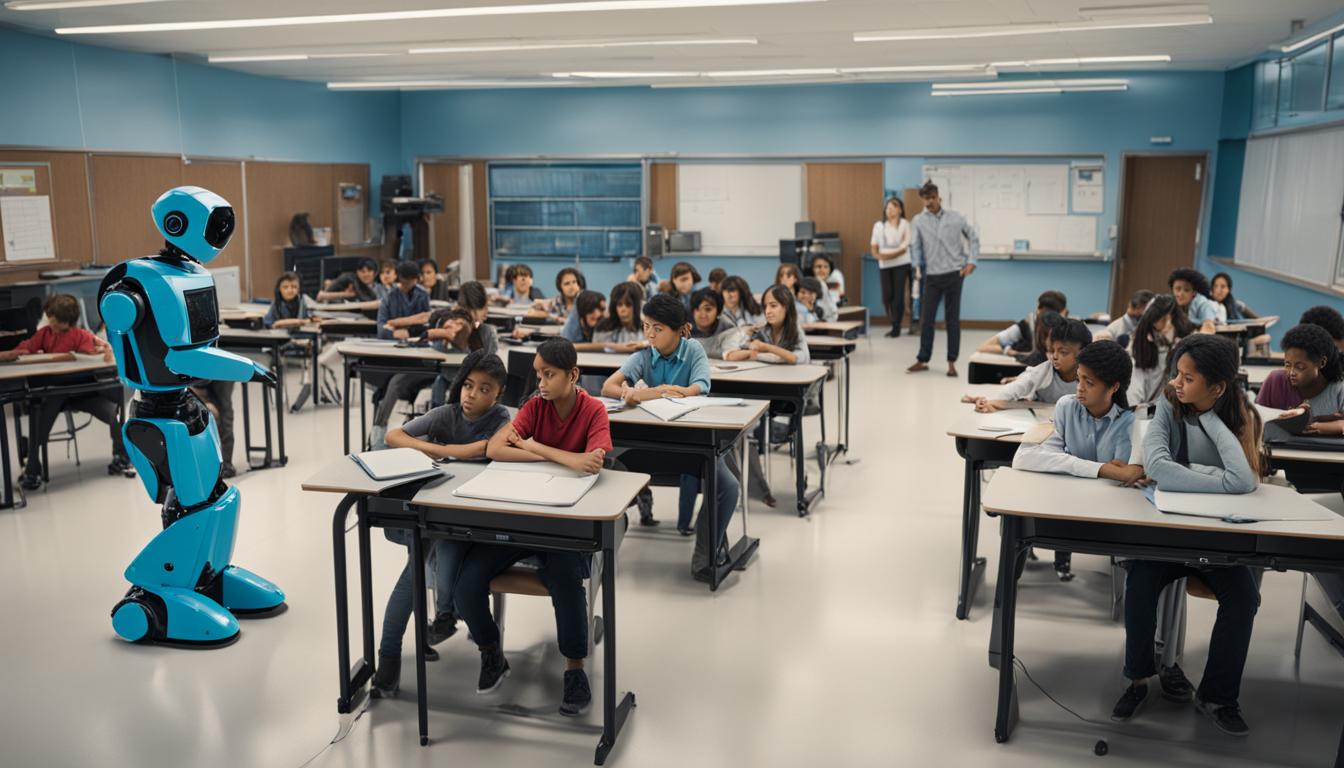
Each simulation would use work-related task files for a particular role, with examples including medical assistant, HVAC technician, bookkeeper, logistics coordinator and paralegal. Students would complete the tasks and receive a short live or asynchronous check-in with an industry professional. The accompanying software would record hours and rubric scores and export a training plan aligned with the state’s template.
The proposal says the employer interaction is important because Indiana’s definition of work-based learning calls for sustained interaction with industry professionals. A standalone video or self-paced activity may not meet that standard. Whether the state or individual districts would count the proposed activities toward diploma requirements has not been established.
What job simulations can teach students about careers
A proposal pairs career tasks with employer feedback and records for Indiana work-based learning. Whether schools will accept simulation hours toward diploma seals remains unresolved.
What students would try
Tasks draw on work-related files, followed by a brief live or asynchronous check-in with an industry professional.
How the proposed pilot works
Students work through an assignment based on a specific career role.
A local employer reviews each simulation and checks in with students.
Software logs hours and rubric scores, then exports a state-template training plan.
What schools need to learn
- Offer career exposure where placements are scarce.
- Help students try work tasks before choosing a pathway.
- Organize hours and training records for coordinators.
- Whether districts accept simulation hours toward diploma seals.
- Whether tasks and employer feedback feel meaningful to students.
- Student completion and school budget interest.
Testing Simulations Against Diploma Rules
For districts, the question is not only whether students learn from simulated work, but whether the experience qualifies for documented work-based-learning hours. If accepted, simulations with employer feedback could give schools another way to provide career exposure where conventional placements are limited. They could also give students a chance to try work tasks before choosing a major, apprenticeship or diploma pathway.
The proposal puts administrative needs alongside student learning: coordinators could receive organized hour logs, rubric results and training-plan exports rather than compiling records manually. Those features may reduce paperwork, but the projected benefit is not yet backed by pilot data. The suggested test would measure district-accepted hours, student completion and budget interest, offering a way to assess both educational use and demand.
For employers, short reviews could make participation less demanding than hosting a student for an extended placement, though the time commitment and quality of feedback would still need testing. For students, the value would depend on whether assignments resemble real tasks and whether the employer check-in offers meaningful guidance rather than simply confirming completion.
Products Worth Considering

LG UltraGear 32GX850A-B 32-inch 4K UHD OLED Gaming Monitor

Amazon Kindle Paperwhite Signature Edition (12th Generation, 2024), 32 GB, Metallic Raspberry

Logitech MX Ergo S Advanced Wireless Trackball Mouse USB-C – Graphite
As an affiliate, we earn on qualifying purchases.
Indiana’s New Diploma Requirements
Indiana approved a new high school diploma in December 2024. It applies to the class of 2029, and districts could opt in beginning in the 2025-26 school year. According to the proposal, two diploma seals require either 75 or 150 hours of work-based learning; qualifying hours may include simulated experiences.
On October 6, 2026, Indiana launched a Digital Resource Hub with a training-plan template that schools need for each student in qualifying work-based learning. That state template gives the proposed product a specific administrative target. The idea is not simply to create online career lessons, but to combine job-related assignments, industry contact and documentation that coordinators can use.
The proposal describes a potential product rather than an existing program or a reported state endorsement. It recommends a district-level annual license priced by high school enrollment, with optional fees for simulations developed alongside local employers. Neither pricing nor a market-wide adoption plan has been validated.
Acceptance and Pilot Results Remain Open
No pilot has been reported as underway, and the proposal does not name participating districts, employers or students. It is also unclear how Indiana officials or individual districts would judge whether a particular simulation meets the requirement for work-based learning, including what qualifies as sustained interaction and how hours should be credited.
There are no reported figures for student completion, learning outcomes, accepted hours, employer participation or coordinator time saved. The proposed license price and districts’ willingness to pay are likewise unknown. The recommended pilot would test some of these questions, but its suggested measures would not by themselves establish long-term career or employment effects.
A Proposed One-Semester District Test
The next step outlined in the proposal is to approach three early-adopting Indiana districts with a free, one-semester pilot covering five simulations, each reviewed by a local employer. The test would track whether districts accept the hours toward diploma seals, whether students complete the activities, and whether coordinators commit funds for the following school year.
No dates, district responses or launch plans are provided. Until a pilot is arranged and schools clarify how they will apply state requirements, the idea remains a proposal. Any later assessment would need to distinguish accepted hours and participation from broader claims about whether simulations change students’ career choices or readiness.
Source: IdeaNavigator AI
Key Questions
What are the proposed real-job simulations?
They are task-based activities built around roles such as bookkeeping or HVAC work. The proposal pairs each activity with a brief employer review and student-hour documentation.
Can simulations count toward Indiana diploma hours?
The proposal says two seals require 75 or 150 work-based-learning hours and that simulated experiences may be included. Whether a particular simulation qualifies depends on state and district interpretation; acceptance has not been confirmed.
Has a school district started the pilot?
No participating district or pilot launch is identified. The recommendation is to pitch a free, one-semester test to three early-adopting districts.
How would the pilot be evaluated?
The proposal suggests tracking hours accepted toward diploma seals, student completion rates and whether coordinators commit funding for the next school year. It reports no results yet.
Source: IdeaNavigator AI