TL;DR
AI is increasingly integrated into art, with artists like Holly Herndon and Mat Dryhurst using machine learning to create new works. While this sparks debate about authenticity and aesthetics, its influence on the future of art remains uncertain.
Artists Holly Herndon and Mat Dryhurst are actively using artificial intelligence to produce art, exemplified by their recent projects for upcoming exhibitions, despite ongoing debates about AI’s role in creative fields. This development underscores AI’s increasing influence on art creation and its potential to reshape cultural production.
Herndon and Dryhurst, prominent figures in the intersection of AI and art, are experimenting with machine learning to generate images and sound. Their work at the 2024 Whitney Biennial was among the few incorporating AI, and a print from that show sold for nearly $100,000 at Christie’s, highlighting the market’s recognition of AI art. Despite widespread criticism from traditional artists and cultural institutions over AI’s training on human-made work without permission, these artists defend engagement with AI as a means to influence and guide technological transformation.
They are also rethinking their installation plans due to logistical challenges, proposing innovative concepts such as an “upside-down parliament” with AI-generated voices, to provoke questions about AI’s impact on public life and democracy. Their stance is that AI can be a tool for building a new, more expansive cultural landscape, rather than merely replacing human creativity.
Implications of AI’s Integration into Artistic Practice
The use of AI in art challenges traditional notions of authorship, authenticity, and aesthetic value. It raises questions about the future of human creativity and the potential for AI to either augment or diminish artistic expression. Herndon and Dryhurst’s approach exemplifies a perspective that sees AI as an opportunity to expand artistic boundaries rather than threaten them, which could influence broader cultural and technological trajectories.
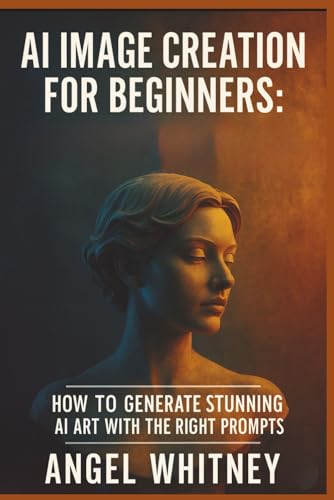
Ai Image Creation For Beginners: How to Generate Stunning AI Art, Write Powerful Prompts
As an affiliate, we earn on qualifying purchases.
As an affiliate, we earn on qualifying purchases.
AI’s Growing Role in Contemporary Art
Since 2018, artists like Herndon and Dryhurst have experimented with AI-generated music and visuals, positioning themselves as pioneers in the emerging field of AI art. The 2024 Whitney Biennial was notable for featuring AI-created works, and the market’s response, including high auction prices, signals increasing institutional and commercial acceptance. However, many in the arts community remain skeptical, criticizing AI’s reliance on human work without consent and its potential to produce superficial or disposable content.
“We see AI as a tool to help us build a new and greater culture, not replace human creativity.”
— Holly Herndon
machine learning art tools
As an affiliate, we earn on qualifying purchases.
As an affiliate, we earn on qualifying purchases.
Unresolved Questions About AI’s Artistic Future
It remains unclear how widespread acceptance of AI art will become and whether it will be recognized as authentic or merely novelty. The long-term aesthetic, ethical, and cultural implications of AI-generated works are still debated, with many experts questioning if AI can truly produce meaningful or original art. Additionally, legal issues around intellectual property and consent continue to develop.
AI generated art prints
As an affiliate, we earn on qualifying purchases.
As an affiliate, we earn on qualifying purchases.
Upcoming Developments in AI and Artistic Innovation
Artists and institutions are expected to continue experimenting with AI, potentially leading to new forms of hybrid art. Major exhibitions, market trends, and legal frameworks will shape the acceptance and regulation of AI in creative fields. The next few years will reveal whether AI-driven art can establish a lasting cultural value or remain a technological novelty.
digital art tablets for AI art
As an affiliate, we earn on qualifying purchases.
As an affiliate, we earn on qualifying purchases.
Key Questions
Can AI truly create original art?
While AI can generate novel images and sounds based on training data, whether this constitutes true originality or creativity remains debated among artists and critics.
Will AI replace human artists?
Most experts agree that AI is more likely to serve as a tool to augment human creativity rather than replace artists entirely, though its impact on employment and artistic roles is still uncertain.
What ethical concerns are associated with AI art?
Key issues include the use of human-created works without permission for training AI models, questions of authorship, and the potential for AI to produce superficial or disposable content that devalues traditional craftsmanship.
How is the art market responding to AI art?
Market response has been mixed: high-profile sales and institutional interest suggest growing acceptance, but many critics and artists remain skeptical about AI’s artistic legitimacy.
What role will AI play in future art exhibitions?
AI is expected to feature increasingly in exhibitions, serving both as a medium and a conceptual tool to explore societal and technological themes, though its prominence will depend on cultural and legal developments.
Source: The Atlantic